African Grey Parrot – How to Care for a Jacquot and Teach It to Speak?
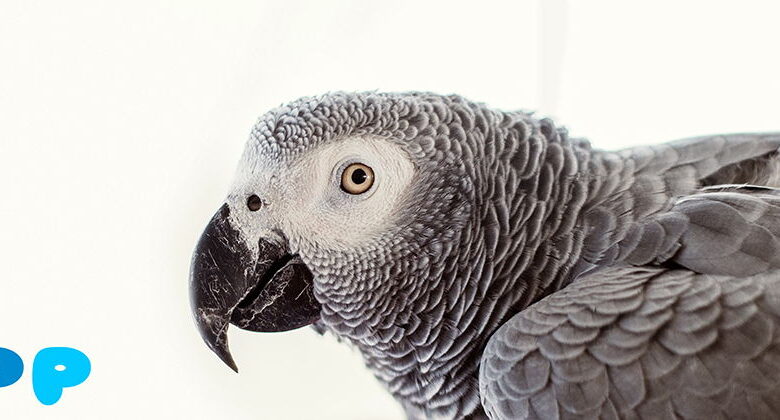
The African Grey Parrot (Jacquot) is a colorful and incredibly intelligent bird. Its exotic origins and ability to speak captivate many people. At the same time, these parrots are demanding in terms of care, so before deciding to buy one, it’s essential to understand their needs. This will ensure the parrot feels comfortable in your home and can learn to speak.
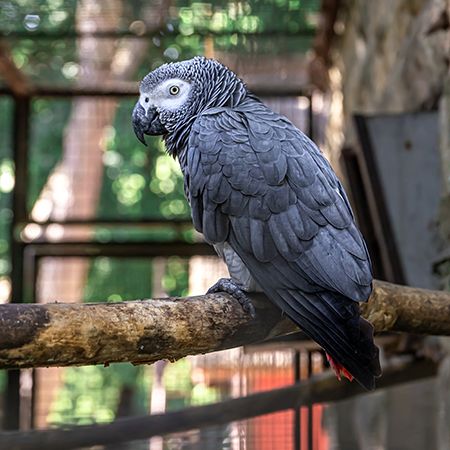 The Grey Parrot can become a person’s best friend. However, before buying, it’s important to know that they can live up to 40 years. Therefore, owning a large parrot is a long-term commitment. The parrot’s cage must be of appropriate size, and the owner should know what the bird eats to provide the correct diet. Prices for these parrots can range up to tens of thousands of rubles, and not every bird is of equal quality. If you want to learn more, read the article below.
Brief Characteristics of the African Grey Parrot
The African Grey Parrot, also known as Jacquot, is a bird from the parrot family. It originates from Africa, and in the wild, this species is endangered.
There are two subspecies:
- Red-tailed African Grey
- Brown-tailed African Grey
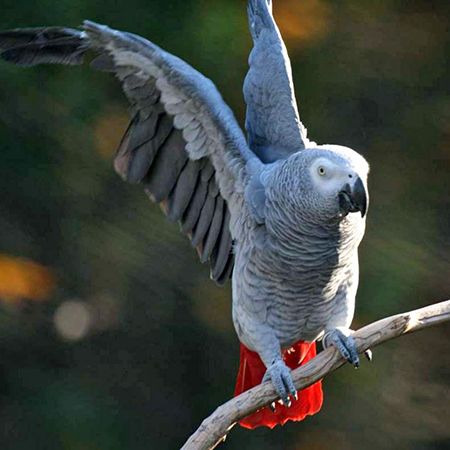
The red-tailed African Grey is the most common in Russia, with gray feathers and bright red tail feathers. Brown-tailed greys have brown-tipped tail feathers.
The body length of a red-tailed African Grey can reach 32 cm (12.6 inches). The parrot weighs about half a kilogram (1.1 pounds). These parrots do not exhibit sexual dimorphism, so determining gender is only possible through genetic testing.
Lifespan of the African Grey Parrot
In captivity, an African Grey can live for several decades. Some individuals have been known to reach 60 or even 70 years, although they typically live for around 40 years. Their lifespan primarily depends on genetics, as well as living conditions and diet. Common health issues include:
- Behavioral disorders (too small a cage, lack of a partner, separation anxiety)
- Calcium deficiency (due to a lack of supplements in the diet)
- Respiratory diseases (often bacterial or fungal infections)
Before deciding to get a Jacquot, it’s wise to locate a veterinarian specializing in exotic pets in your area. This way, if any health issues arise, you’ll have a trusted expert to consult.
 The African Grey Parrot as a Pet
Many people choose the African Grey because of its ability to mimic sounds and its dignified appearance. However, these qualities alone are not enough to make an informed decision about taking on such a demanding species.
It’s important to know that these parrots can be quite noisy, and the sounds they make at various times of day can disturb neighbors, especially in apartment buildings. Additionally, red-tailed greys feel best when kept in pairs, so if you don’t provide a companion for your parrot, you will need to dedicate a lot of time to it to prevent behavioral problems. Given their long lifespan, it’s also crucial to consider your family’s future situation, as these birds can live for decades.
Caring for an African Grey requires more than just purchasing a cage, which can cost tens of thousands of rubles. They also need a special diet, toys, and regular veterinary care.
Is the Jacquot Right for You?
The Jacquot is not the best choice for people new to keeping parrots. In such cases, it’s better to opt for lovebirds or cockatiels, which have fewer demands. These birds have shorter lifespans than the Jacquot, allowing you to better assess whether this type of pet is truly what you desire.
Cage Requirements for the African Grey Parrot
The African Grey Parrot needs plenty of space to feel comfortable. A cage that’s too small can lead to behavioral problems, such as excessive feather plucking. The minimum recommended cage size is 1x1x2 meters (3.3×3.3×6.6 feet). The cage should have a square or rectangular base for behavioral reasons, as round cages are not suitable. It’s also convenient if the bottom of the cage can be removed for cleaning without opening the cage itself.
Inside the parrot’s home, you should include various toys like hammocks, ropes, perches, branches, and mirrors to keep the bird entertained while you’re at work.
 How to Teach an African Grey Parrot to Speak
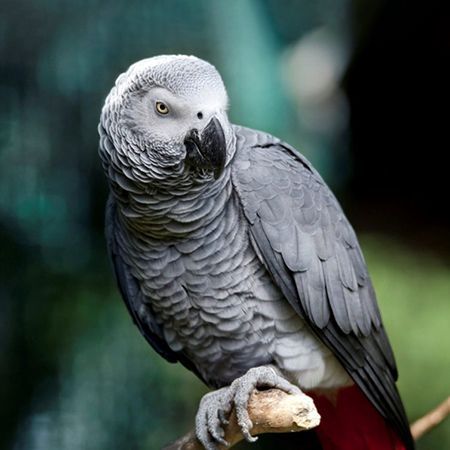
If a potential owner is interested in the African Grey solely for its ability to mimic human speech and sounds, they might be surprised to learn that not all parrots possess this talent. Much depends on the individual bird’s predisposition. The time at which a parrot begins mimicking sounds varies as well; some start within the first few months of life, while others don’t begin until they are over a year old.
Training a parrot to mimic sounds requires a lot of patience. After bringing the bird home, give it time to adjust to its new environment. Only when the bird trusts its new owner can you begin training. One of the simplest methods is to talk to the parrot and frequently repeat the words you want it to imitate. Some people choose to leave the radio or television on for the bird, but in this case, the parrot may learn words other than those the owner intends.
Breeding African Grey Parrots at Home
While it is possible to breed Jacquots at home, it’s not recommended for inexperienced individuals. They typically begin breeding between 5 and 7 years of age, and earlier breeding attempts are often unsuccessful. You’ll need to provide the right conditions, including a cage of suitable size, the ideal temperature, and a nesting box. During the breeding period, it’s important not to disturb the birds.
Diet of the African Grey Parrot
Talking parrots primarily eat seeds and need a balanced diet. The safest option is to purchase pre-made grain mixes and supplement them with fruits and vegetables. It’s important to ensure the parrot doesn’t consume too many high-fat seeds and nuts daily, as this can lead to weight gain and health problems.
Fruits and vegetables suitable for the Jacquot include:
- Apples, pears, peaches, bananas, pomegranates, strawberries, watermelon
- Broccoli, carrots, beets, cauliflower
You can prepare fruit and vegetable salads by mixing different types in one bowl. Once a week, the parrot should also receive a hard-boiled egg. Adding calcium to their diet is also essential, which can be done using ready-made supplements.
It’s important to introduce fruits and vegetables into the bird’s diet early on, as African Greys are quite picky and may refuse these foods if not introduced to them early enough.
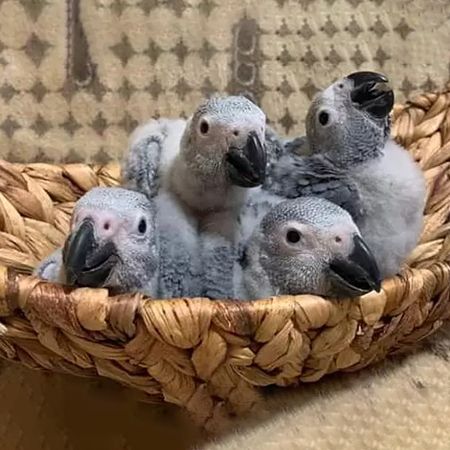 Where to Buy an African Grey Parrot
When purchasing a bird, it’s essential to go through a reputable breeder. Many people illegally breed birds, including decorative chickens or other talking parrots. A verified breeder should provide the necessary documents, including:
- A registration document
- A certificate proving the bird was bred in a licensed facility
It’s important to approach the purchase of an African Grey thoughtfully. When you decide to buy one, make sure to check the bird’s documentation and condition at the time of receipt.