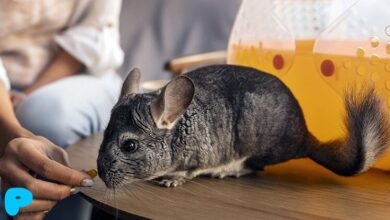
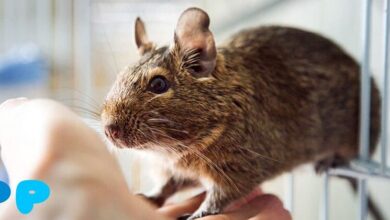
What to feed a chinchilla?
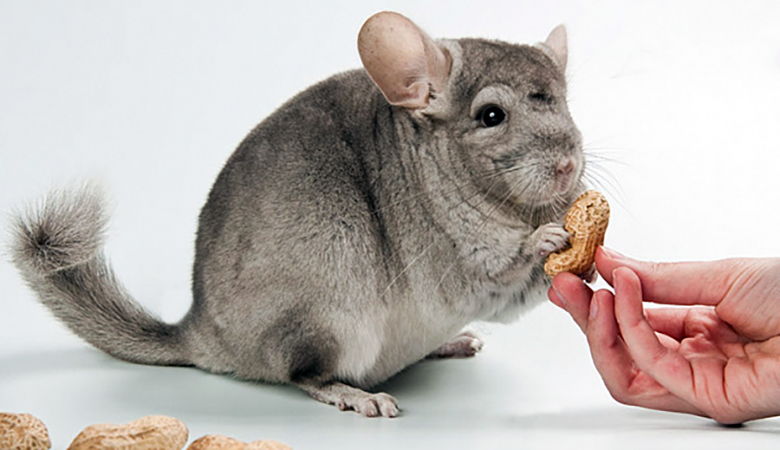
Proper Nutrition for Chinchillas: What You Can and Cannot Feed Your Pet
Nutrition plays a crucial role in the healthy development of a chinchilla. To ensure your pet’s well-being, it’s essential to provide a proper and balanced diet. It’s important to know which foods are safe for chinchillas and which are strictly prohibited.
A chinchilla’s diet consists exclusively of plant-based foods. The foundation of their diet is hay, which aids in digestion. Additionally, chinchillas need nutrient-rich grain mixes that contain essential vitamins, minerals, and trace elements. Don’t forget to include fresh foods in their diet, such as tree shoots, fruits, and vegetables.
Can Chinchillas Eat Hay?
Hay should be a staple in your chinchilla’s cage, and there’s no limit to how much they can consume. It’s best to purchase hay from a pet store, as chinchillas require legume-grass hay rather than meadow hay. This type of hay is coarser and is essential for both improving digestion and wearing down their teeth.
High-quality hay can be identified by its clean, dry, green appearance and fresh, grassy aroma. Never feed your chinchilla damp or moldy hay.
While hay ensures proper gastrointestinal function, it doesn’t contain all the necessary nutrients. To supplement their diet, you should add specially formulated mixes that provide proteins, fats, carbohydrates, vitamins, amino acids, and trace elements.
What Nutrient-Rich Mixes Are Suitable for Chinchillas?
Nutrient-rich mixes combine various grains, cereals, legumes, seeds, nuts, bran, dried fruits, and other components. It’s best to purchase these mixes from pet stores, where they are already prepared with the right proportions of ingredients.
Ready-made chinchilla food in pet stores comes in two forms: whole and pelleted. With whole food, the ingredients remain in their natural state, while pelleted food is compressed into granules.
The packaging type doesn’t matter much when choosing food. Pets often prefer whole food, but they may pick out only their favorite ingredients, leaving the rest uneaten. Pelleted food, on the other hand, ensures they receive all necessary nutrients in every bite.
The main criterion when selecting food is its quality. The mix should consist mostly of grains and grass meal, with a smaller portion of sweets (nuts, dried fruits, or dried vegetables). Always check the expiration date and avoid feeding your chinchilla food that contains bugs or mold. The standard daily portion for chinchillas is 1-2 tablespoons.
 Fresh Foods in a Chinchilla’s Diet
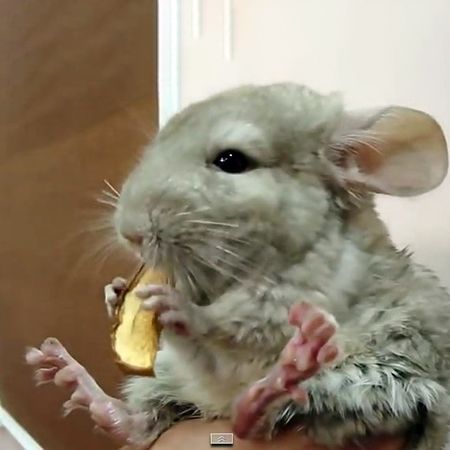
Fresh foods should also be included in a chinchilla’s diet. However, it’s important to note that in the wild, these animals primarily consume roughage. Therefore, chinchillas don’t need as much fresh food as, for example, hamsters or guinea pigs. Too many raw vegetables or fruits can harm their health. Ideally, vegetables and fruits should be dried, while grasses should be fresh. Suitable fresh foods for chinchillas include:
- Vegetables: kohlrabi, cucumbers, carrots, lettuce, tomatoes, Jerusalem artichoke, pumpkin, zucchini.
- Fruits: bananas, pears, grapes, apples, figs, berries.
- Grasses: clover, stinging nettle, dandelion, alfalfa, knotweed, plantain, couch grass, pea tops, turnip greens, carrot tops, Jerusalem artichoke greens.
Vegetables and fruits should be clean, ripe, and unspoiled. Plants should be collected far from roads and industrial areas. Introduce fresh foods gradually and in small portions. It’s best to offer them in the morning and remove any leftovers after a while to prevent spoilage. Never give wet food to your chinchilla!
Before serving, wash vegetables, fruits, or greens, then dry them thoroughly and only offer them dry.
Tree Branches for Chinchillas
Tree branches are essential for chinchillas to wear down their teeth. Suitable options include branches from fruit trees, willow, birch, and oak. Collect branches from trees growing away from roads and industrial areas. Sprouted grains are also beneficial for chinchillas. Don’t forget to change the water in their cage frequently.
Forbidden Foods for Chinchillas
Chinchillas should never be fed human food. Avoid giving them sweet, fatty, fried, or spicy foods. Cabbage is also not recommended, as it can cause bloating. Ensure your pet doesn’t chew on houseplants, as some may be toxic. Pet stores offer a variety of special treats designed specifically for chinchillas.
By following these guidelines, you can ensure your chinchilla stays healthy and happy. Always monitor their diet and consult a veterinarian if you have any concerns.