Water for Dogs: What Can Dogs Drink?
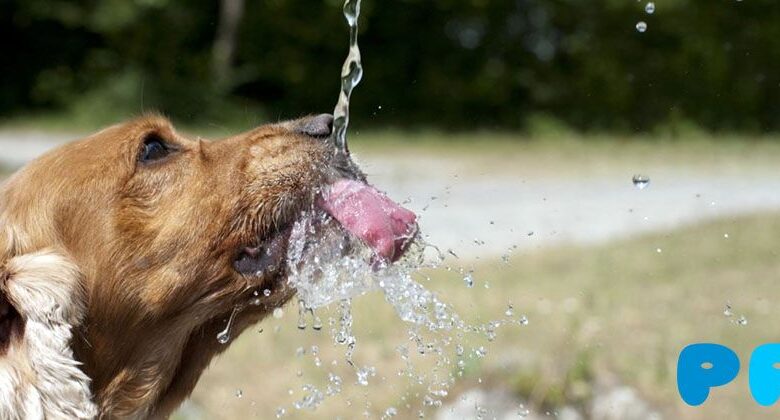
It’s well-known that a dog is a person’s best friend. That’s why most dog owners continually care for the well-being of their four-legged companion. While many owners focus on choosing the best food types and ensuring a healthy diet for their dogs, the topic of drinking water often goes overlooked. Yet water is just as essential for dogs. It’s crucial to ensure that a dog drinks enough water daily. Just like humans, a dog’s body needs a regular supply of fluid; otherwise, dehydration can occur.
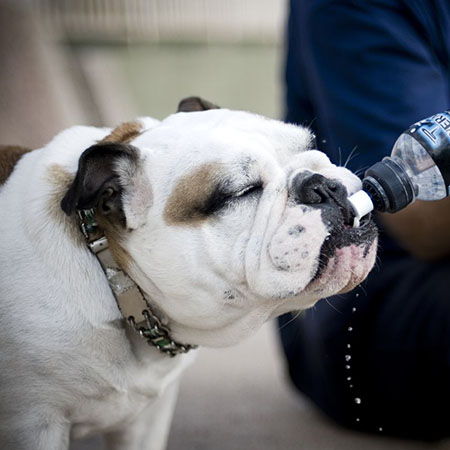 How Much Water Should a Dog Drink Daily?
A dog’s body is 70% water. As with humans, essential functions and processes—such as metabolism, blood circulation, and the immune system—can’t operate without water. Only with an adequate amount of water can a dog’s blood distribute nutrients absorbed from food throughout its body and excrete waste products and toxins through urine.
A dog should drink about 60 ml of water per kilogram of body weight per day. For a dog weighing just under 10 kg, that’s about 600 ml daily. However, it’s worth noting that dogs also absorb some of their required fluid through food, especially if they eat moist commercial food. It’s a different situation when feeding dry kibble, where the daily water intake should be increased. Additional factors, such as hot sunny weather, high physical activity, and certain illnesses, may also increase a dog’s fluid needs.
What Should Dogs Drink?
The best way to meet a dog’s daily fluid requirements is water. But what type of water can you safely give your four-legged friend?
Tap Water: Yes or No?
Most dog owners fill their dog’s bowl with tap water. Generally, there’s no reason dogs shouldn’t drink it. However, very hard water could lead to bladder infections, stone formation, or even urinary tract blockage. Dog owners should only give tap water to their pets if they’d drink it themselves without hesitation. If there’s any uncertainty about the quality of tap water, it can be pre-filtered, which is likely to appeal to your four-legged friend.
Bottled Water for Dogs
As an alternative, some owners prefer bottled water for their pets. Important note: it should not be carbonated. However, if you’re using bottled water solely to offer something “better” than tap water, it may be unnecessary. Bottled water often isn’t “better” than tap water. Bottled water is typically just processed tap water, so there’s no real difference between table water and tap water. Mineral water, on the other hand, which comes exclusively from underground sources, usually has a higher mineral content than table or tap water. Since dogs meet their mineral needs through food, mineral water isn’t necessary.
 Alternative Fluids for Dogs
To add some variety or encourage a dog to drink more, you can try the following options:
- Chicken or bone broth
- Dog-friendly smoothies
- Dog-safe tea You can also enhance the taste of water slightly by adding a bit of carrot juice. Other drinks, such as lemonade, flavored water, juices, alcohol, milk, coffee, and similar, are unsuitable for dogs.
A dog’s water should always be fresh. Stagnant water quickly accumulates bacteria that can harm a dog’s health, and after a while, it becomes unappealing, so the dog may not drink it. It’s best to change it daily and wash the bowl at the same time. Ceramic or stainless steel bowls are recommended as they don’t leach harmful substances and are easy to clean. Only non-toxic detergents, such as dish soap and hot water, should be used to wash a dog’s bowl.
Can Dogs Drink Sparkling Water?
No, sparkling water isn’t suitable for dogs. The carbonation can cause digestive issues like bloating, vomiting, and diarrhea.
Can Dogs Drink from Puddles?
When out on walks, many dogs will attempt to drink from puddles. This should be discouraged. Invisible dangers in puddles can lead to various diseases. Puddles may contain pesticides or harmful bacteria that can cause symptoms such as vomiting, diarrhea, and fever in dogs.
Can Dogs Eat Snow?
For many dogs, snow is a long-awaited treat. They’ll not only play in it but may also eat it. A small amount of freshly fallen snow isn’t harmful, but snow that’s been on the ground for a while may contain contaminants or even road salt. Swallowing snow can irritate a dog’s stomach lining, so caution is advised.
Can Dogs Drink Saltwater?
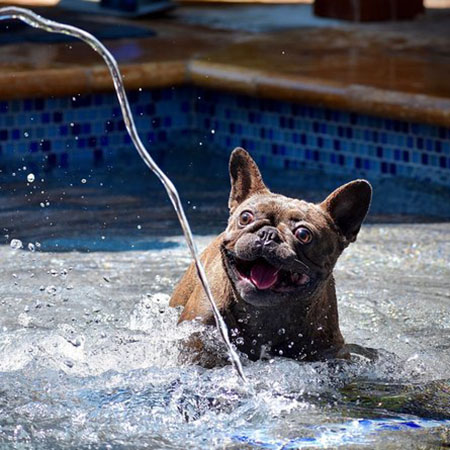
Many dogs love swimming and are happy to go to the beach with their owner. Playing in the cool water is great fun, but dogs should never drink saltwater. Even a small amount can cause cramps, diarrhea, and vomiting. Swallowing too much saltwater can lead to poisoning, often with fatal consequences.
 Recognizing Dehydration in Dogs
Whether at home or out and about, dog owners should always ensure their dog drinks enough to avoid dehydration. Dehydration, like in humans, is a serious issue. If a dog isn’t promptly provided with fluid, it can be fatal. Heat or heavy physical activity aren’t the only culprits; diarrhea is especially dehydrating for dogs. In this condition, an exhausted dog may be unable to drink independently, and dehydration can occur even if fresh water is available.
To check if a dog is dehydrated, gently pinch the skin on the back of its neck. If it doesn’t smooth out within two or three seconds, the dog likely lacks fluid. In such cases, don’t hesitate to take the dog to a veterinarian immediately.