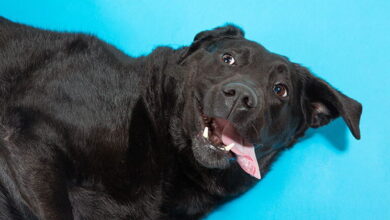
Can a dog suffer from cavities?

When dogs become part of our homes, they become another member of the family. It’s natural for owners to care about their pet’s health and diet. Special attention should be paid to what pets are fed, as well as their hygiene and overall well-being, because these small details greatly benefit them. Caring for your dog is of utmost importance if you want it to remain healthy and happy. Teeth are a vital part of the body that require attention if you want your pet to stay in perfect condition, as several factors can lead to common dental problems in dogs, such as cavities.
 How Cavities Develop in Dogs
Just like human teeth, a dog’s teeth need proper care to avoid disease. Cavities are a common oral health issue in dogs, similar to gingivitis. The best way to prevent cavities in your dog is to maintain good oral hygiene. Regularly clean your dog’s mouth by brushing its teeth with a toothbrush and toothpaste designed for dogs or by using special dental treats. Dog teeth should be cleaned at least once a month, as this is the most effective way to combat cavities.
Food is another major cause of cavities in dogs. It’s crucial to feed them only their regular diet and food recommended by canine health experts. Your veterinarian will likely suggest dry food tailored to your dog’s size and needs. Remember, not all foods that are healthy for humans are suitable for dogs. For example, chocolate and sugar can drastically raise a dog’s blood sugar levels, much more than in humans, leading to diabetes or dental cavities.
Bones are also harmful to dogs—not only because they can splinter and get lodged in the esophagus or stomach, causing fatal injuries, but also because they can damage gums or break teeth.
Grapes, when consumed in large quantities, can cause severe abdominal pain in dogs. Therefore, you should feed your dog food that meets its nutritional needs and consult a canine health specialist. This approach minimizes the bacteria accumulating on their teeth. Additionally, you can give your pet special dog treats that help naturally clean their teeth.
 What to Do If Your Dog Has Cavities
You can detect cavities in your dog by examining its teeth during brushing. A cavity appears as a black spot toward the center of the tooth. In some cases, touching the affected tooth may cause the dog pain or make it avoid chewing on that side of its mouth. Symptoms of cavities include a loss of appetite, eating from only one side of the mouth, or appearing unusually sad.
Dogs can’t communicate their discomfort, so you need to watch for signs they display to diagnose issues early and address them promptly. While they might go about their daily routines as usual, the sooner a cavity is detected, the sooner you can treat it and prevent the infection from spreading to other teeth.
A visit to the veterinarian is crucial. The vet will assess the condition of the tooth, confirm whether your dog has a cavity, and determine the best treatment. If the cavity is minor, the vet may clean the affected area and seal the tooth. However, if the tooth is severely damaged, the only solution may be extraction to relieve your dog’s pain and stop the infection from spreading.
After the procedure, your dog may have difficulty eating normally, so you should provide soft or liquid food and monitor its recovery closely. Ensure your dog’s overall health improves quickly.
Post-Treatment Care
It’s important to remember that dogs may react unexpectedly to such situations, so patience, love, and care are essential. Your dog will recover from the procedure or extraction in time and will be grateful for the attention and affection you’ve given it.