What Foods Shouldn’t Be Given to Cats: A List of Dangerous Foods
What Foods Are Forbidden for Cats?
Cats are not only our beloved pets but also true members of the family. However, their bodies function differently from humans, and many foods we consider safe can seriously harm their health. In this article, we will explore in detail what foods you should never give to cats to avoid health issues and ensure their well-being.
Why Are Some Foods Dangerous for Cats?
Cats are obligate carnivores, meaning their diet should primarily consist of meat. Their digestive systems are not designed to process many foods that humans eat. Some of these foods can cause poisoning, allergies, damage to internal organs, or even be fatal. Therefore, it’s crucial to know which foods are harmful to cats and eliminate them from their diet.
Complete List of Dangerous Foods for Cats
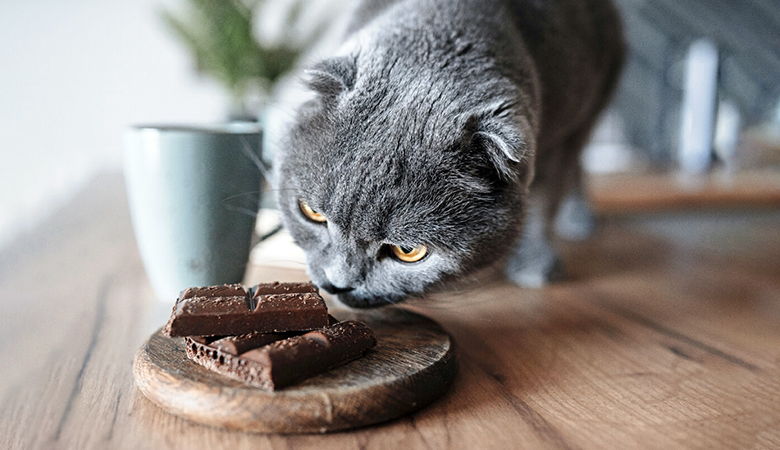
Chocolate and Caffeine
Chocolate contains theobromine and caffeine, which are toxic to cats. Even a small amount can cause:
- Vomiting
- Diarrhea
- Rapid heart rate
- Seizures
- In severe cases, death
Onions and Garlic
Onions and garlic contain substances that destroy red blood cells in cats, leading to anemia. Symptoms of poisoning include:
- Weakness
- Loss of appetite
- Pale gums
- Lethargy
Milk and Dairy Products
Despite the common myth, most adult cats are lactose intolerant. Milk can cause:
- Stomach upset
- Diarrhea
- Vomiting
- Bloating
Raw Meat and Fish
Raw meat and fish may contain parasites and bacteria like salmonella or listeria. Additionally, raw fish contains an enzyme that destroys vitamin B1 in a cat’s body, potentially leading to neurological issues.
Grapes and Raisins
Grapes and raisins can cause kidney failure in cats. Symptoms of poisoning include:
- Vomiting
- Diarrhea
- Lethargy
- Loss of appetite
 Alcohol
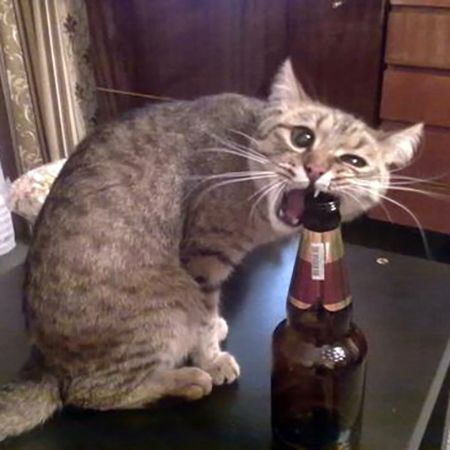
Alcohol is extremely toxic to cats. Even a small amount can cause:
- Loss of coordination
- Depressed breathing
- Coma
- Death
Bones
Bones, especially small and sharp ones, can damage a cat’s esophagus, stomach, or intestines. They can also cause choking or intestinal blockages.
Avocado
Avocado contains persin, which is toxic to cats. It can cause:
- Vomiting
- Diarrhea
- Difficulty breathing
- Heart failure
Sugar and Sweets
Sugar and sweets can lead to obesity, diabetes, and dental problems in cats. Additionally, many sweets contain xylitol, which is dangerous for their health and can cause a sudden drop in blood sugar levels.
Salty Foods
Excess salt can cause dehydration and kidney problems in cats. Avoid giving them chips, salted nuts, and other salty snacks.
Yeast Dough
Yeast dough can ferment in a cat’s stomach, leading to bloating and even stomach rupture. Additionally, the alcohol produced during fermentation is toxic to cats.
Nuts
Nuts, especially macadamia nuts, contain substances that can cause poisoning in cats. Symptoms include:
- Vomiting
- Weakness
- Elevated body temperature
Dog Food
Dog food is not suitable for cats as it lacks sufficient taurine, an essential nutrient for feline heart and eye health.
What to Do If Your Cat Eats a Dangerous Food?
If you suspect your cat has eaten something from the list of dangerous foods, contact your veterinarian immediately. Symptoms of poisoning may include:
- Vomiting
- Diarrhea
- Lethargy
- Loss of appetite
- Seizures
What Should You Feed Your Cat?
A cat’s diet should consist of:
- High-quality cat food
- Fresh water
- Treats specifically designed for cats
If you want to treat your cat to something special, choose safe options such as:
- Boiled chicken (without bones)
- A small amount of cooked fish (without bones)
- Special treats from pet stores
Conclusion
Now you know what foods are forbidden for cats and can protect your pet from danger. Remember, your cat’s health depends on its diet, so always choose safe and healthy foods. If you have any doubts, consult your veterinarian.