Can cats eat eggs, raw or cooked?

 Chicken eggs as a valuable product for cats
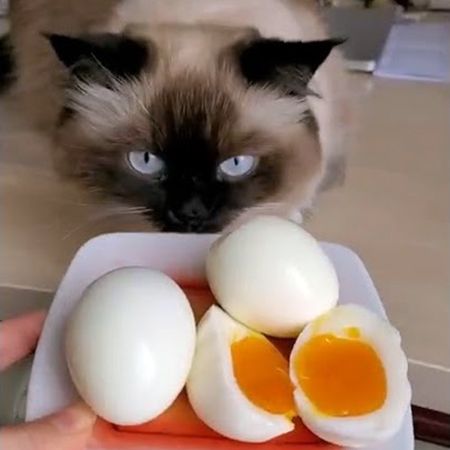
Chicken eggs are a nutritious product. They contain protein that is just as beneficial as the protein in meat or fish, and it’s easily absorbed by the body. Professional pet food manufacturers often include it in their products. However, pet owners who prefer feeding their cats natural foods often wonder, “Can I give my cat raw eggs?” Here’s the right answer.
Benefits of chicken eggs for cats
A balanced diet is key to your pet’s health and longevity. Including eggs in a cat’s diet can boost their mood and have positive effects on their immune system, coat health, and overall well-being. Eggs are packed with vitamins and minerals like phosphorus, magnesium, calcium, iron, and potassium, which support the nervous, cardiovascular, and skeletal systems. Vitamin D in eggs also promotes strong teeth, while biotin gives your cat’s fur a healthy shine and supports good vision.
Eggshells from farm-raised chickens can provide an additional calcium source. Just wash, boil, and crush the shells into powder. Many cats love this and would eat it daily.
Moderation is key
Despite the benefits, eggs should only be given to cats as an occasional treat. A few times a week is enough. Overfeeding eggs can cause health issues.
Feeding eggs to kittens and neutered cats
Kittens under three months shouldn’t be fed eggs. Start by introducing eggs gradually into their diet and monitor for allergies, like vomiting, diarrhea, or skin rashes. If any of these occur, stop giving eggs and consult a vet. Kittens can have one egg per week, split into small portions. Adult cats can have two to three eggs per week.
Neutered cats can have eggs, but no more than twice a week. Eggs should always be cooked to avoid digestive problems, and fried eggs should be avoided due to their high fat content.
 Chicken vs. quail eggs
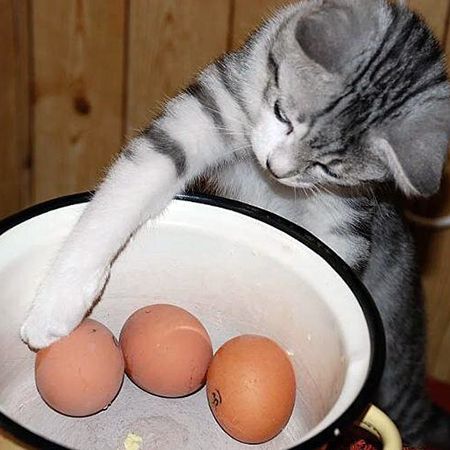
Quail eggs have gained popularity, and some believe they’re more beneficial than chicken eggs. Quail eggs are absorbed faster, have less cholesterol, and are slightly richer in nutrients. They are especially beneficial for pregnant cats. However, like chicken eggs, quail eggs can carry bacteria like salmonella.
Cooking eggs for cats
Salmonella is one reason eggs should always be cooked before feeding them to your cat. High temperatures kill bacteria, making the egg safe to eat. You can boil eggs for 4-5 minutes or make a steamed omelet. Salmonella infections cause vomiting, diarrhea, fever, and can be fatal if not treated.
Raw eggs vs. cooked
Raw eggs contain avidin, which blocks biotin absorption. This can lead to dull fur, pale skin, and a poor overall appearance. Cooking the egg eliminates this problem, making it safer and more nutritious for your cat.
When to avoid feeding eggs
Cats with liver, kidney, or gallbladder issues should not be fed eggs. Senior cats and very young kittens should avoid them as well. If your cat is allergic to eggs, it’s best to remove them from their diet entirely. Pregnant cats can have cooked eggs, but in small amounts.