Is it difficult to take care of a pet rat?

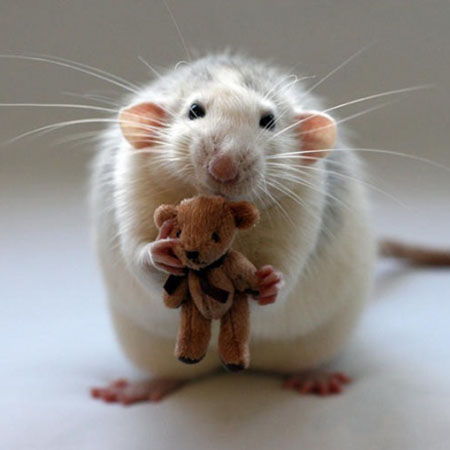
Rats are not the most common pets people choose. Many associate them with unpleasant images, calling them “carriers of disease” or “sewer dwellers.” However, pet rats sold in pet stores are actually interesting and safe animals. One noteworthy trait is their intelligence: rats can recognize their owner, respond to their name, and can even be trained to perform tricks.
 General Information about Rats
Rodents, in general, are not long-lived, and rats are no exception. Their lifespan is typically only 2-3 years, but with proper care, they can live up to six years. This short lifespan is a decisive factor for people who do not want a long-term commitment. Rats are easy to care for, but they are not recommended for families with children under 13-14 years old, as that’s when children typically develop a sense of responsibility.
Since rats are social animals, it’s a good idea to have two. If a person does not plan to breed them, it is better to get two same-sex rats, as a male and female will breed actively, with a litter consisting of 5-10 pups.
Choosing and Setting Up a Cage
Although rats are rodents, unlike hamsters, they require a spacious cage with multiple levels, ramps, and wheels. They are very active and curious, needing ample space to explore.
Here are more specific criteria for setting up a rat’s home:
- The cage should be at least 40×40 centimeters in size.
- A nest or hammock where the rat can hide if it wishes.
- Exercise equipment and entertainment for the little active pet.
- Bedding made of large wood shavings (small shavings may cause allergies) or paper (but not newspaper).
- A locking mechanism on the cage door (to prevent the rat from escaping without the owner’s knowledge).
- Rats are clean animals, so the cage should be cleaned weekly.
Rat Food
When it comes to commercially prepared food, it should contain proteins (25%), fats (10-20%), and carbohydrates (50-60%) in the following ratios. Rats are omnivores, so they can be fed both grains and meat. It’s essential to provide a varied diet, as feeding them only grains or only meat is not balanced.
The diet for each rat is individual and depends on its personal taste preferences, so it’s easier to list what rats should not be fed:
- Sweets and chocolate.
- Fried and smoked foods.
- Spicy and salty foods.
- Large amounts of raw meat.
- Citrus fruits.
- Some raw vegetables (potatoes, radishes, cabbage, beets).
Rats should be fed twice a day, while young rats should be fed four times a day. It is essential to change their drinking water daily for comfortable living.
 Additional Information about Keeping Rats
Rats are very curious creatures that require a lot of physical activity, so they should be let out of their cage to roam around the house occasionally. These outings should be closely supervised, as rats can chew through wires and cords, which should be avoided.
Rats should be kept away from direct sunlight and drafts, so their cage should be located where the ambient temperature is about twenty degrees Celsius.
Conclusion
To the question, “Is it difficult to care for rats?” the answer is “no.” Caring for them is no different from caring for any other rodent. Rats are low-maintenance creatures that are also very intelligent and affectionate. They can easily become an integral part of their owner’s life and a loyal companion.