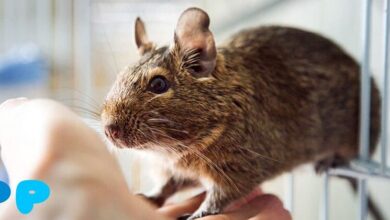
Keeping a Chinchilla: 4 Main Rules

Nowadays, people can’t imagine their lives without pets. In many homes, you can find a dog, cat, turtle, or hamster. Less commonly, people choose lizards, chinchillas, and ferrets.
Some people have never encountered unusual pets and believe that keeping them is troublesome. However, to make an informed decision, it’s essential to learn as much as possible about the temperament and characteristics of the animal.
What are Chinchillas Like?
An adult chinchilla can grow up to 30 cm in length, not including the tail.
Its face is adorned with long, beautiful whiskers and fairly large ears, which help the animal navigate well in the dark. Chinchillas are extremely friendly creatures but may respond to aggression with scratches and bites. One of their main advantages is their rich, silky fur.
Chinchillas are quite low-maintenance, so keeping them won’t cause major issues. In the wild, these rodents live in small groups, which explains their quick adaptation to their owner and loyalty to humans. Additionally, chinchillas are true long-livers—if properly cared for, their lifespan can reach up to 25 years.
 Chinchilla Price
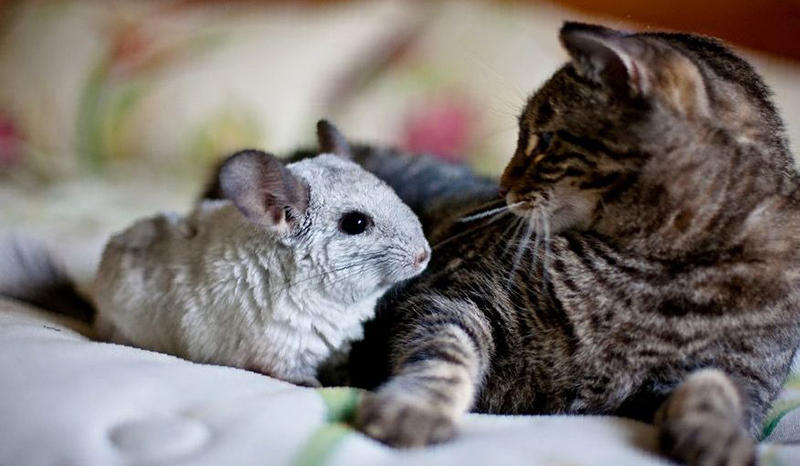
The final price of these adorable creatures depends on many factors. One of them is the color of their fur. A chinchilla with the typical gray coat is cheaper than those with beige, white, or black shades. The quality of the fur also affects the price. Thick, velvety, and well-maintained fur is highly valued. Since fewer female chinchillas are born compared to males, they are priced higher.
In our country, the price starts at 1,500 rubles and goes up to 35,000 rubles.
How to Properly Care for Chinchillas
Chinchillas are very sensitive to high temperatures. In the wild, they live in temperate regions, so they do not tolerate heat well. For the animal to live comfortably, the room temperature should not exceed 20°C (68°F).
What is Needed for a Chinchilla’s Comfortable Life?
- A large and safe cage.
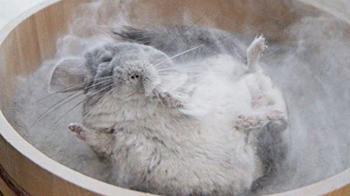
- Chinchillas should be bathed every 3-4 days. However, water should never be used! Instead, clean chinchilla sand (a finely ground sand, resembling ash) is best, along with a container or box with a lid.
- It’s important to place the chinchilla’s home in a quiet and cool area, avoiding radiators and heaters.
- To entertain your pet, it’s important to provide shelves, ladders, and other toys. Don’t forget about a water bottle. To care for their teeth, you’ll need chalk and branches from fruit trees.
 Chinchillas spend most of their lives in their cages, so there should be no issues with other pets, especially other rodents.
Rodents require care and special attention. There are many important aspects of their upkeep that cannot be overlooked. Despite this, the popularity of rodents is growing daily. And it’s unlikely you’ll find anyone who regrets acquiring such a cute creature.