Why do fish swim sideways?
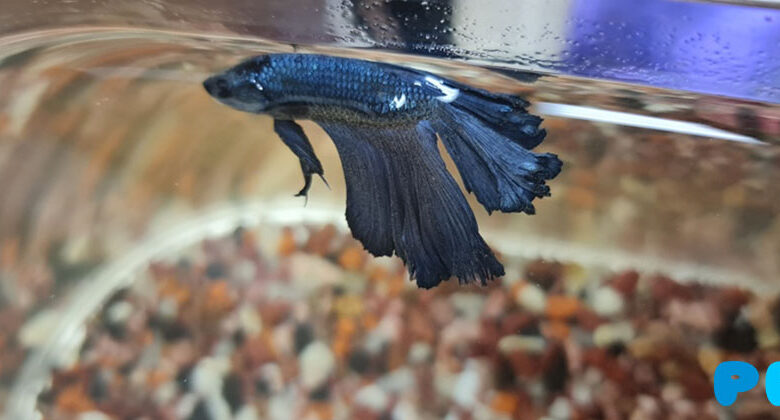
The swim bladder of bony fish performs many functions. Unfortunately, an imbalance in this organ can cause the fish to swim sideways.
Aquarium keeping is a hobby that is becoming increasingly popular among the population. Having an aquarium at home is a real luxury, as it allows you to observe the dynamics of aquatic ecosystems while enjoying the company of one or more fish, carrying out all their vital functions. However, there are diseases that can affect fish: do you know why a fish swims sideways?
When a fish is unable to maintain its posture while swimming, it’s a sign that something is wrong. If you want to know why this problem occurs and how to deal with it, read the article.
How fish swim
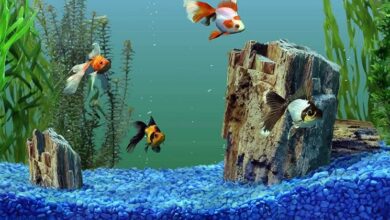
Before addressing the issue, it’s important to understand the buoyancy system of many fish. Look at the swim bladder, an organ that allows bony fish to remain in one spot in the water column without expending extra energy. The swim bladder consists of two air-filled sacs located in the dorsal section of the fish. The walls of this organ have very few blood vessels and are rich in guanine crystals, making them impermeable to gas exchange. When oxygen is introduced into one of the chambers of the bladder, it increases the gas volume and the animal’s buoyancy, allowing it to “rise” in the water column. Gas exchange occurs at the blood level according to the fish’s needs. In some species, this organ is also connected to the inner ear, acting as a resonance chamber and improving hearing. Goldfish often experience swim bladder issues.
What to do if a fish swims sideways
Swimming sideways is completely maladaptive for fish as it leads to loss of vision, mobility, and efficiency in the water. Therefore, with rare exceptions, this is always a symptom of an underlying pathology. The most common diseases associated with the swim bladder are:
Swim bladder inflammation According to studies, this is one of the main reasons why a fish may swim sideways. It accounts for up to 44% of vet visits for this problem in goldfish (Carassius auratus). This condition can be caused by parasitic infections or overfeeding the fish. When swim bladder inflammation is caused by an infectious disease, it is called aerocystitis. Poor water quality, stress, or overcrowding in the aquarium can contribute to the development of this type of disease.
Swim bladder displacement Sometimes the issue isn’t swelling of the organ’s tissue but its improper positioning. The swim bladder consists of two chambers: the anterior one, covered with a strong outer membrane and anchored to bony structures, and the posterior one, connected to the anterior by only a thin tube. For this reason, the posterior chamber of the swim bladder can easily shift, causing the fish to swim sideways and experience buoyancy issues. This displacement can be caused by mechanical injuries and strong impacts.
Fluids in the swim bladder The contents of the swim bladder are almost exclusively gas, although epithelial cells secrete a small amount of surfactant to protect the organ. Accumulation of fluid in the chambers due to some pathological process impairs the sick fish’s ability to move properly. In rare cases, this process can cause the bladder to rupture, though this happens infrequently.
If a fish starts swimming sideways, the following issues may arise:
- Loss of appetite: Almost all fish eat 1-2 times a day. If the fish loses interest in food for more than 24 hours, something is likely wrong.
- General weakness and buoyancy issues.
- Separation from the group: In schooling fish, the sick ones isolate themselves from their companions and stay at the bottom.
- Breathing or gasping at the water’s surface.
- Frayed tail and fins: This may indicate fungal or bacterial infections, but it always suggests poor water quality.
If your fish is swimming sideways, the first step is to isolate the sick fish, unless you see that the condition affects the entire aquarium. Many parasites have an incubation period within their host, so separating the sick fish can save you from many troubles. Always have a small “hospital” tank ready for such cases. Once you’ve separated the sick fish, the best thing you can do is visit a vet specializing in exotics. If this isn’t possible, there are broad-spectrum medications against bacteria and fungi designed for fish, although they may not always work. If the fish’s condition doesn’t improve after a few days of treatment, the prognosis is poor.
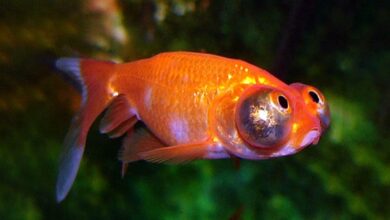
Exophthalmia in fish
To prevent this condition, every aquarium owner must monitor water parameters and respect the needs of all species inhabiting the tank. Once a fish becomes seriously ill, it’s very difficult to restore it to its natural state, so the best remedy is always diligent care and respect for the pet.