Cockatoos: Species, Characteristics, Needs, and Diet
 Cockatoos and Humans
Cockatoos are often considered the best avian companions for humans. They are highly social, enjoy human interaction and affection, and are sometimes referred to as “living plush toys.” This perception guarantees these birds a place in homes where they are treated as cherished family members, receiving plenty of attention. Cockatoos thrive on this kind of interaction and, like most pets, enjoy spending time with people. However, viewing cockatoos as toys can lead to mistreatment, which is harmful to both the birds and their owners.
Cockatoos in the Wild
Cockatoos are popular parrots native to Australia, where they are often regarded as pests and even culled. Their large size and strong beaks enable them to cause significant damage, such as destroying crops and even wooden structures. These birds live in noisy flocks, sometimes numbering up to 100 individuals. Alarmed cockatoos can produce sounds up to 135 decibels—comparable to the roar of a jet engine at takeoff (140 decibels) and louder than the legal limit for fireworks (120 decibels).
A Lonely Cockatoo Is a Problem
Though cockatoos are seen as pests in the wild, they are prized as pets for their vibrant plumage, intelligence, and strong bond with humans. A pet cockatoo loves spending time with its family, craves affection, and struggles with loneliness. While they make wonderful companions, they can express frustration or boredom destructively, such as damaging furniture or biting their owners out of anger. Experts recommend avoiding excessive pampering, as spoiled cockatoos may demand constant attention and resist being left alone.
It’s ideal to care for two cockatoos at once. Being flock animals, they thrive in the company of their own kind and are less likely to feel lonely when left alone.
 Do Cockatoos Need a Cage?
Cockatoos require a spacious cage equipped with bird toys to prevent boredom. While they enjoy flying freely around the house, they should not be left unsupervised outside the cage due to the risk of damage.
Feeding a Cockatoo
A cockatoo’s diet should closely resemble its natural diet, consisting of grains, vegetables, and fruits. A convenient option is using specially prepared seed mixes for large parrots, complemented with fresh vegetables, fruits, or sprouts. All food should be fresh, and uneaten portions must be removed promptly to prevent spoilage. Nuts can be offered as occasional treats or rewards.
Species Overview
- Galah Cockatoo (Eolophus roseicapilla)
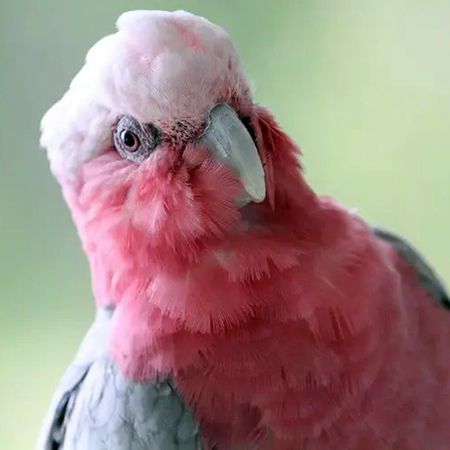 With three subspecies, the Galah Cockatoo is predominantly found in Australia and is among the world’s most popular parrots. It is known for its pink chest, gray wings, and white forehead. This species is not endangered and is considered a pest in some regions.
 - Sulphur-Crested Cockatoo (Cacatua galerita)
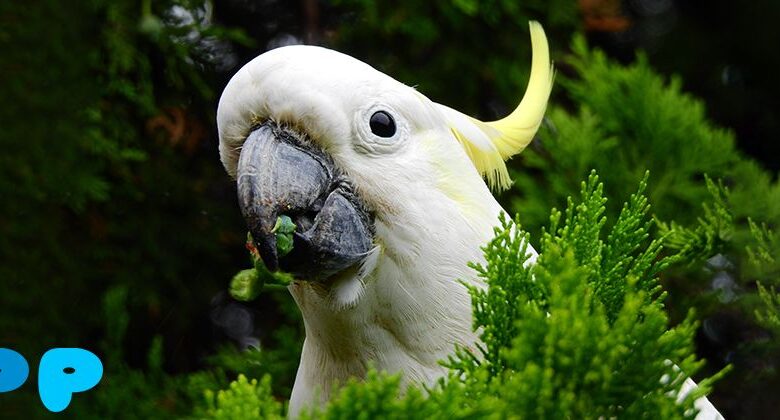
 This species has four subspecies and is widely distributed across eastern and northern Australia, Tasmania, Melanesia, and New Guinea. It features a striking yellow crest, white plumage, and yellow-tinged head feathers. Like the Galah, it is not endangered but often seen as a pest.
 - Palm Cockatoo (Probosciger aterrimus)
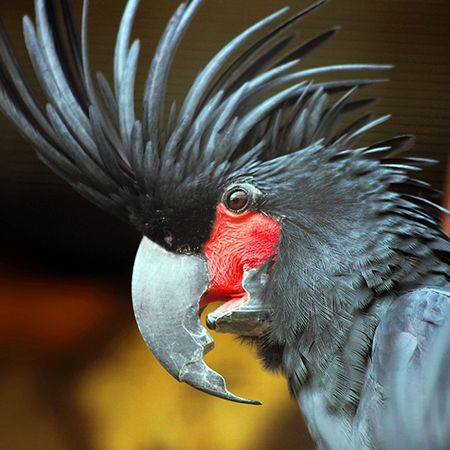 This black cockatoo with a dark gray beak and red cheeks has four subspecies. Its unique coloration and popularity as a pet make it well-known, though it is not protected as an endangered species.
 - Major Mitchell’s Cockatoo (Cacatua leadbeateri)
Found widely in Australia, this pink and white parrot has orange crest feathers, with yellow tips on some subspecies. Despite its beauty, this species is not endangered. - White Cockatoo (Cacatua alba)
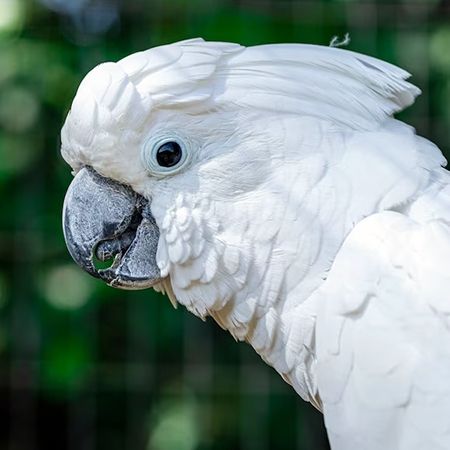 Native to the northern Moluccan Islands of Indonesia, this species is entirely white with a gray beak and dark eyes. When alarmed, it raises a large crest resembling an umbrella. Known as the Umbrella Cockatoo, it is the only species recognized as endangered.
By understanding their characteristics, natural behaviors, and care needs, cockatoos can thrive as beloved companions while being treated with the respect they deserve.