Bombay Cat: Mini Panther
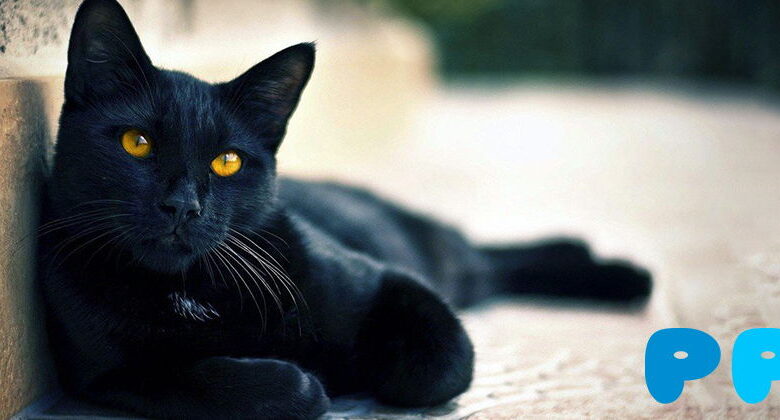
 Bombay Cat: A Miniature Panther
The Bombay cat remains a rare short-haired domestic breed to this day. Bombays are as uncommon as they are fascinating. They are meant to be a miniature, domestic version of a black panther. While a Bombay may look like a dangerous predator, it is, in nature, a friendly and patient house kitten—a breed often described as easy-going.
Appearance of the Bombay Cat
The Bombay cat boasts a sleek, jet-black coat that fits closely to its body. The fur is short and silky to the touch, with minimal undercoat. According to the Cat Fanciers’ Association (CFA), the breed standard highlights large, wide-set, round eyes with a coppery iris. However, achieving this particular shade through selective breeding is challenging, so most Bombays have golden, yellow-golden, or dark yellow eyes, which are also accepted by various breed organizations. Still, a deep copper hue remains the most sought-after shade in purebred Bombays.
The breed features small ears with rounded tips, set wide apart and slightly tilted forward. Influenced by the American Shorthair, the Bombay has a broad, round head. The muzzle is relatively short, and the nose has a distinctive curve at its bridge, with a gently rounded tip. Both the nose and eyes are black.
Some breeders insist that a true Bombay must have a coat that meets breed standards for complete blackness and show no Burmese lineage in its pedigree. Such specimens are extremely rare. Bombay kittens often display rust-colored markings on their fur, but these darken with age and eventually disappear.
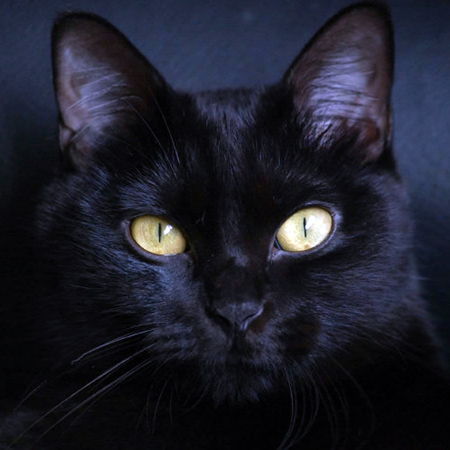 A medium-sized breed, the Bombay is muscular and lean. Males weigh around 5 kg (11 lbs), while females typically weigh about 4 kg (8.8 lbs), often feeling heavier than expected.
Personality of the Bombay Cat
Bombay cats are sensitive, intelligent, playful, and affectionate. They tend to form deep bonds with their owners and dislike being left alone for long periods. These sociable pets love being the center of attention and often follow their owners step by step. Bombays thrive as active family members, eager to participate in daily life.
In addition to their love for affection, Bombays enjoy playing, so providing them with appropriate toys is important. They particularly enjoy wand toys that stimulate their hunting instincts. Bombay cats are also drawn to warmth, so it’s crucial to ensure they have a cozy spot to relax. A heated bed or a perch near a radiator or sunny windowsill will make them especially happy.
Bombay cats are well-suited for urban apartments but require plenty of human interaction to feel truly content. They reward attention with extended and affectionate cuddles.
Naturally tolerant and patient, Bombays get along well with other cats, dogs, and children. These traits make the miniature black panther an ideal family pet, although the breed remains relatively unpopular. Bombays also meow infrequently, with soft and melodious sounds that are pleasant to the ear.
History and Breeding
In the 1950s, a cat lover and breeder, Nikki Horner from Louisville, Kentucky, set out to create a “domestic panther.” She initially faced challenges in breeding black American Shorthairs with dark brown Burmese cats. However, in 1965, Horner successfully produced a cat with black fur and copper eyes, naming the breed after the Indian port city of Bombay. Initially, the breed lacked popularity, but in 1976, the CFA awarded the Bombay championship status. Three years later, TICA (The International Cat Association) followed suit.
 Nutrition
Bombay cats are prone to weight gain, particularly house pets that may eat out of boredom. Regular play sessions are essential to keep them fit. Monitoring their diet and weight is also crucial. For example, the carbohydrate content in their food should not be excessive. High-quality, well-balanced meals and proper portion control are key.
Care
Bombay cats are relatively low-maintenance. Their glossy coat can be kept in good condition with minimal effort, such as regular towel wipes or grooming with a rubber brush for added shine. A balanced diet also contributes to a healthy coat.
Their claws can be maintained with scratching posts, which also allow them to stretch their well-developed muscles. Dental care is best supported with special dry food. Regular veterinary check-ups are essential to ensure their health and well-being.
Unfortunately, the breed’s origins in selective breeding have resulted in a predisposition to certain health issues, including hypertrophic cardiomyopathy, a hereditary heart condition. If symptoms such as shortness of breath or fainting appear, immediate veterinary attention is needed. Early stages of the condition may not show visible symptoms, so preventive measures like regular vet visits and a proper diet are crucial. Bombays are also prone to feline respiratory infections, so keeping them protected from drafts and providing a warm space is vital.
Despite these challenges, Bombay cats enjoy a relatively long lifespan, averaging 17 to 20 years.
 Finding a Reliable Breeder
Not all breeders of these black beauties are trustworthy. How can you identify an unreliable breeder? Amateur breeders often advertise cats without pedigrees or as “mixes” at attractive prices. A purebred Bombay remains rare, especially in European markets, and there are only a few professional breeders of this breed.
A reputable breeder will provide a pedigree, including detailed information about the cat’s ancestors. They won’t transfer kittens to new owners before 16 weeks of age. By this time, the kittens should be vaccinated, dewormed, and possibly spayed or neutered. Reliable breeders also offer health certificates and may remain available to support new owners throughout the cat’s life.
Bombay cats are intelligent, friendly, and make excellent companions for the right family.