Can you feed a cat raw liver?
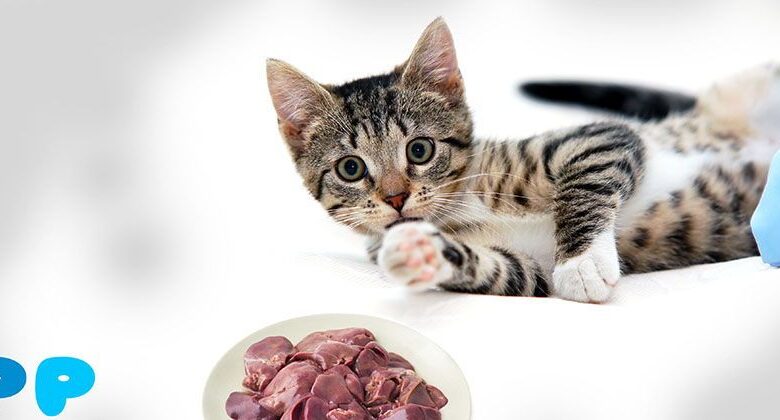
Maintaining a proper diet for cats is a key factor in supporting their health and longevity. There are many types of food we regularly offer our pets, but what should you do if you’re wondering whether it’s safe to feed your cat raw liver?
As with any new addition to a pet’s diet, feeding raw liver may raise certain concerns.
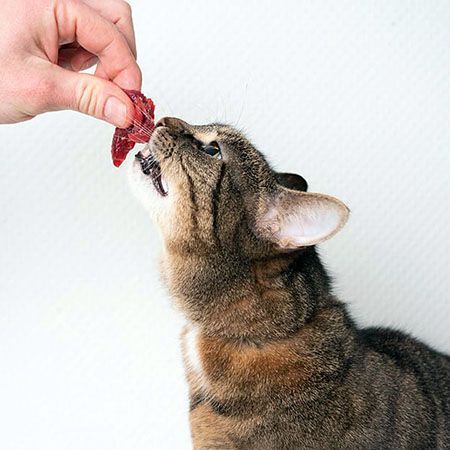 Why is raw liver not the best choice for feeding cats?
Although liver is a nutritious food for cats, raw liver can be dangerous for your pet’s health. First, raw liver may contain bacteria and viruses that could cause infections in cats. Additionally, some types of liver may contain high levels of vitamin A, which can lead to poisoning if consumed in excess.
It’s also important to remember that cats are carnivores, and their bodies are adapted to obtain protein from meat. Therefore, it’s better to provide them with such food. If you still decide to offer your cat liver as a supplementary food, be sure to consult a veterinarian for advice on the appropriate type and amount for your pet.
Alternative food options for cats: what to choose?
While cats are carnivores, feeding them only one type of food can result in nutrient deficiencies. That’s why many people seek alternative options to provide a balanced diet for their furry friends.
Raw liver isn’t the best choice as it may contain toxins that could harm a cat’s health. It’s better to consider other foods that provide essential nutrients for cats.
For example, adding chicken breast or turkey fillet to their diet can help achieve a balance of proteins. Small portions of boiled fish or shrimp can also support cardiovascular health.
It’s important to consider your cat’s age, size, and activity level when creating their diet, and consult a veterinarian to ensure the proper balance of all necessary components.
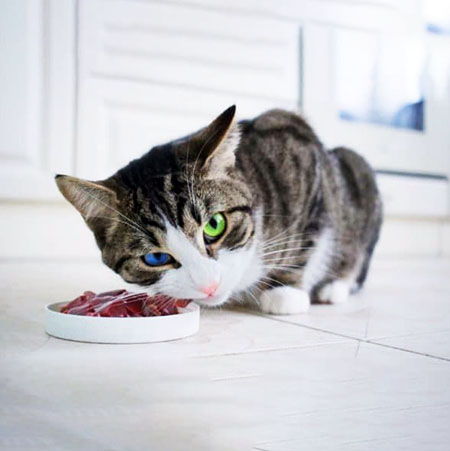 What are the risks of feeding cats raw liver?
Although liver contains many beneficial vitamins and minerals for cats, feeding them raw liver can be risky. First, liver may contain toxins accumulated in the animal’s body from chemicals and environmental pollutants. Additionally, large portions of liver can cause diarrhea or vomiting in cats.
Another potential risk is vitamin A overload. Liver is rich in this vitamin, and too much of it can lead to serious bone and muscle diseases.
Moreover, feeding cats only one type of food (whether it’s liver or something else) means they won’t receive all the proteins, fats, and carbohydrates they need. This can result in nutrient imbalances and serious health issues.
In general, it’s better not to use raw liver as a main food source for cats. If you want to include it in their diet, do so cautiously and sparingly. It’s always best to consult a veterinarian for feeding recommendations.
How to create a healthy diet for your cat?
Designing a diet for your cat is one of the main responsibilities of a caring owner. You need to consider many factors, such as the cat’s age, weight, size, activity level, and health. Your cat should receive all the necessary nutrients: proteins, fats, carbohydrates, minerals, and vitamins.
When choosing products for your cat’s diet, pay attention to quality and freshness. Some foods can be dangerous for cats, like raw eggs or low-quality meat. It’s also important to monitor portion sizes – overfeeding can lead to obesity and other health problems.
If you want to add raw liver to your cat’s diet, consider its properties. Liver is high in vitamin A, which can be toxic if consumed excessively. Liver can also contain pollutants and toxins, so it’s better to provide only high-quality liver.
In summary, creating a healthy diet for your cat requires careful consideration and knowledge. If you have doubts, it’s best to consult a specialist to avoid mistakes and ensure your cat has a long and healthy life.
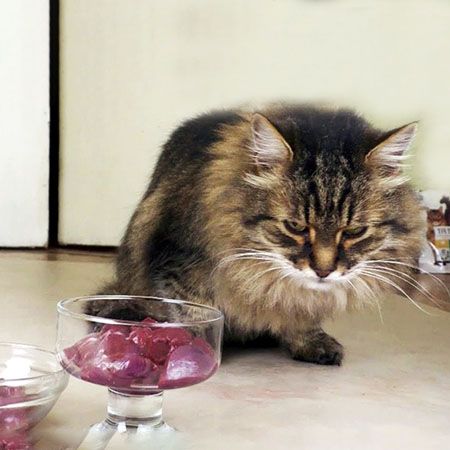 Strategies for transitioning cats to a new diet
If you decide to transition your cat to a new diet, including raw liver in their meals, certain precautions must be taken. Raw liver contains many vitamins and minerals that are essential for your cat’s health. However, to avoid potential health problems when introducing new foods, the transition should be gradual.
The first step in transitioning to a new diet is consulting with a veterinarian. Your vet will assess your cat’s health and recommend an optimal feeding regimen.
Start by adding small amounts of raw liver to your cat’s overall diet. Begin with one teaspoon and gradually increase the amount to a full portion. It’s very important to monitor your cat’s condition and track their response to the new food.
Don’t forget about other aspects of proper cat nutrition: a balanced ratio of proteins, fats, and carbohydrates, along with adequate vitamins and minerals. Following these guidelines will help your cat transition to a new diet without adverse effects on their health.