Choosing Cat Litter for Allergies
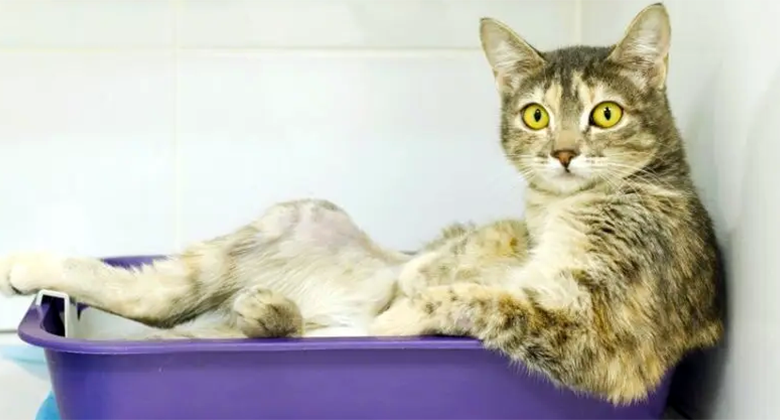
Choosing litter for a cat’s litter box is an important aspect of pet care, especially if there are people in the household who suffer from animal fur allergies. In such cases, it’s essential to choose hypoallergenic litter that effectively traps odors and absorbs moisture.
 When selecting litter, the composition should be the first consideration. Plant-based fillers such as wood shavings, bamboo, or cellulose are the best options. They absorb odors and moisture well. Silicate clays, which have a high absorption capacity, can also be used. Bentonite clay fillers, however, should be avoided as they may cause allergies.
It’s also important to avoid litter with chemical additives that give it a scent, as this can irritate the mucous membranes of allergy sufferers. It’s better to choose natural, unscented litter.
Pay attention to the packaging—it should be sealed tightly to prevent the litter from absorbing moisture and odors during storage. Before purchasing, it’s a good idea to read reviews, and manufacturers of hypoallergenic pet products typically note this on the packaging.
For homes with people who suffer from allergies, it’s advisable to choose litter in granular or clumping form that doesn’t create dust when used. Fine particles can become airborne and cause allergic reactions when inhaled.
The size of the granules is also important. Larger clumps are better at trapping odors and moisture. Granules should be 3–5 mm in diameter. Extremely fine particles dry out quickly and can become dusty.
Avoid using a thin layer of litter. The volume should be sufficient to fully absorb moisture and odors throughout the usage period. Cat litter boxes often come with special absorbent mats that help further absorb moisture.
A crucial point is to regularly replace the litter entirely, rather than adding fresh litter on top of used material. This helps prevent the accumulation of allergens and unpleasant odors.
After each litter change, the litter box should be thoroughly washed and dried to remove residual allergens. The bottom of the box can be sprinkled with baking soda to absorb odors.
In addition to choosing the right litter, there are several ways to further protect allergy sufferers when using a cat litter box.
First, the litter box should be placed in a room the allergy sufferer enters less frequently, such as the kitchen or hallway. It should never be placed in the bedroom.
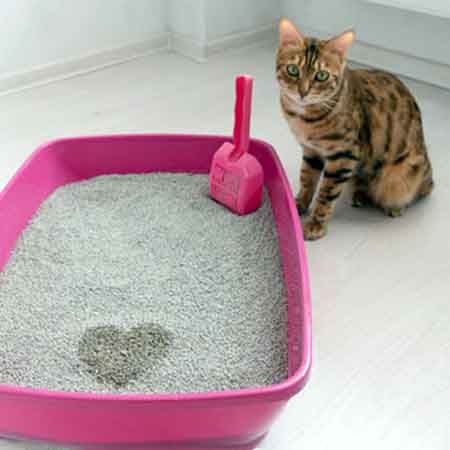 Second, it’s important to maintain the cat’s hygiene by regularly brushing its fur with special gloves to remove dead hair, reducing the spread of allergens in the air.
Third, using air purifiers with filters that capture fur particles can be helpful. These should be placed in rooms where the allergy sufferer spends the most time.
With the right approach to selecting hypoallergenic litter and following simple guidelines, it is entirely possible for a cat and an allergy sufferer to live together. The key is to focus on cleanliness and regularly remove allergens to prevent their accumulation in the home.