Cat Bite: Potential Risks

Does Your Cat Roam Freely and Spend Most of Its Time Outdoors?
If so, it’s likely that your cat, along with other animals, finds prey to hunt. In this case, the animals your cat attacks can end up with scratches and bites. If these are not identified in time, they can lead to serious inflammation, even dangerous bacterial sepsis. Due to the very high risk of infection, early diagnosis and quick wound treatment are two very important factors. This article is designed to give you advice on what to watch out for when a cat bite occurs.
 Why Are Cat Bites So Dangerous?
The first difference is that the damage caused by a dog bite, unlike that of a cat, is usually quite superficial and affects a larger area of skin. Because of this, dog bites are generally recognized and treated more quickly.
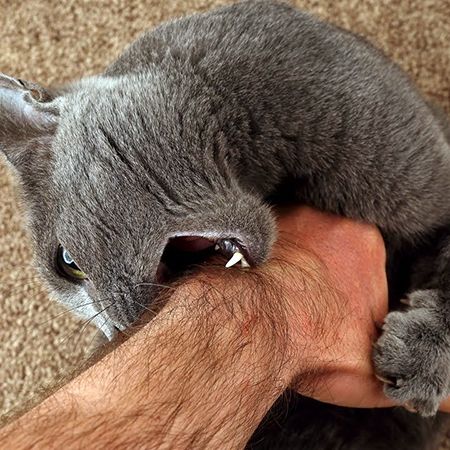
The second difference is morphological: compared to dogs, a cat’s teeth are very long, thin, and sharp. In addition, the small curve of their canines allows them to penetrate deeper into the tissues of the victim’s body. This can cause serious injury to important anatomical structures such as tendons, muscles, blood vessels, or nerves.
Cat bites often cause infections because a cat’s teeth leave behind a variety of microbes on the victim’s body. The hole made by their sharp, thin teeth is usually narrow and deep, providing an ideal environment for bacteria to multiply, especially in warm and moist conditions. If these bacteria enter the bloodstream, they can spread throughout the body, causing a life-threatening blood infection (sepsis). Cat bites can also transmit diseases such as tetanus (caused by the bacteria Clostridium tetani) or rabies (caused by a virus). Since pet owners often overlook or underestimate the signs of these wounds in the first few days after a bite, the risk of infection, unfortunately, remains particularly high.
Symptoms
Cat bites are often not immediately noticed because they may be hidden by the fur or feathers of the wounded animal. Typically, the bite is recognized by other symptoms displayed by the victim:
- Pain from the injury often causes the animal to avoid movement or limp.
- Bloodstains may appear on the fur or feathers of the wounded animal.
- There are signs of inflammation, such as swelling, redness, or pus formation.
- Possible nerve damage may lead to motor issues (such as paralysis) and altered sensitivity (such as heightened sensitivity or loss of sensation).
- Any bacterial infection (sepsis) affects the general health of the animal: fever and a gradual loss of appetite.
- Symptoms of tetanus include persistent trembling and increased muscle tone.
Even the smallest cat bites, if not immediately detected, can lead to the death of the animal.
 What Should You Do If a Cat Bite Occurs?
If you or your pet are bitten by a cat, it’s important to contact the owner, check their medical records, and ensure the necessary vaccinations are up to date. The existing bacterial flora should be identified to plan the appropriate treatment. If you are not vaccinated against tetanus, it’s important to support your immune system as soon as possible, for example, with a tetanus immunoglobulin. By taking a sample from the wound, bacteria can be cultured in the lab and identified using techniques such as PCR (polymerase chain reaction) or MALDI-TOF mass spectrometry. For subsequent antibiotic treatment, testing for bacterial resistance is essential. Blood tests and physical examinations of deeper anatomical structures, using methods like ultrasound, are also recommended.
If your cat, dog, or other pet shows signs of discomfort, it is important to carefully examine the animal’s body for other signs of a cat bite. For effective treatment of cat bite wounds, consult a veterinarian (or a doctor if a human is the victim). Treatment usually focuses on the following:
- Wound disinfection: the bite marks are washed, and if necessary, treated with anti-inflammatory ointment. Immediate suturing is not recommended, as it prevents the removal of bacteria.
- After testing for resistance, systemic antibiotics (ointments or pills) and painkillers are prescribed.
- Severe injuries may require surgical intervention.

Prognosis
Cat bites can be very dangerous due to the high risk of infection. It’s important not to underestimate the situation and to take immediate action to prevent wound infection. Severe outcomes, such as sepsis and tetanus, can lead to death. On the other hand, with effective vaccination and early treatment, the prognosis is favorable.
How to Prevent Complications?
Vaccination against tetanus and rabies is the main way to prevent complications from a cat bite. While rabies has been largely eliminated, there is still a risk that the infection may return through animals illegally brought in from other countries. Infected animals can transmit this dangerous virus through bites. Thanks to high vaccination rates, tetanus is now quite rare. Nonetheless, it is recommended to avoid the risk of a bite by handling cats and other animals carefully.