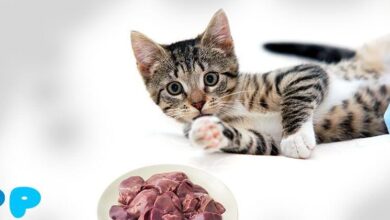
Cat Offal: What Could Be Better?
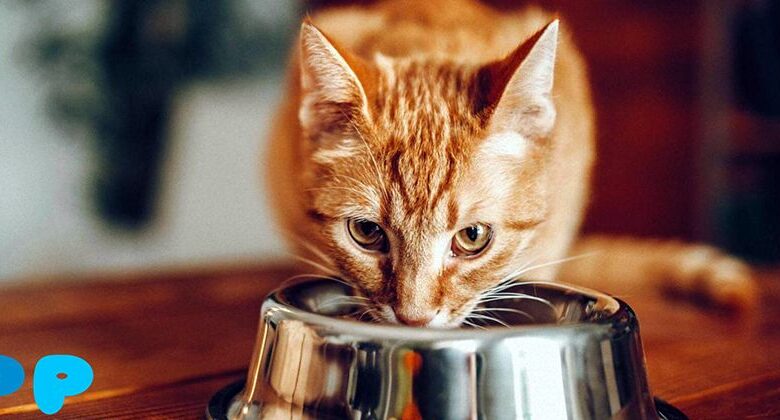
Every cat has a true predator inside, and like any predator, it needs meat. That’s why meat is the foundation of a cat’s diet. Some people try to satisfy their cat’s appetite by offering lean meat, which is better for us but not for cats. Cats do best with meat that includes fat, tendons, and growths. Offal (organ meat) also plays a crucial role in a cat’s menu. What’s hidden in organ meat? Which offal should be included in a cat’s diet, and how often should it be served?
 What’s in offal?
Offal is often added to a cat’s diet, whether the pet is fed commercial food or home-cooked meals. It’s frequently chosen due to its low cost, but it’s also valuable because of its nutritional benefits.
What’s in offal that makes it a great addition to your pet’s menu?
Protein: Offal is an excellent source of easily digestible protein for cats. Protein is the building block of cells and is crucial for all metabolic processes in the body. It’s also a primary energy source for cats. Cats need protein throughout their lives—kittens need it for growth, while older cats require it for energy, and senior cats often face metabolic issues that protein helps balance.
Fat: Offal also contains fat, including unsaturated fatty acids, which are beneficial for health. Fat helps cats maintain body temperature, improves food flavor, and contributes to a sense of fullness. It’s also essential because fat-soluble vitamins A, D, E, and K are absorbed through fat. Without enough fat, the absorption of these vitamins can be significantly reduced, leading to severe health issues.
Vitamins: Offal is a valuable source of vitamins for cats, especially vitamins A, E, K, and B. All of these vitamins are vital for a cat’s well-being.
- Vitamin A, found in abundance in the liver, supports healthy skin and fur and helps cats maintain good vision. A deficiency can lead to vision problems and growth issues in kittens, and fur can become dull and fall out.
- Vitamin E is involved in muscle development, enhances fertility, and protects the body from free radical damage. A lack of this vitamin can cause dehydration, lower immunity, and increase the risk of heart disease.
- Vitamin K is known for its role in blood clotting and has anti-cancer properties, along with antibacterial, antifungal, and pain-relieving effects. Its deficiency can cause bone demineralization, wound healing problems, and blood clotting issues.
- B vitamins support heart function, the nervous system, and healthy skin and hair. A deficiency can cause overall body weakness and loss of appetite, which is especially dangerous for cats, leading to diarrhea and anemia.
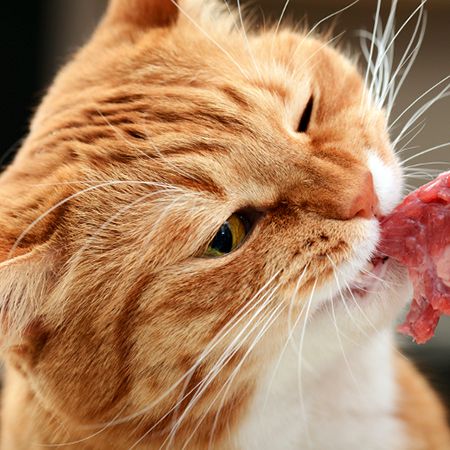 Iron: Iron plays a crucial role in oxygen transport in the blood. Since cats are carnivores, they are particularly susceptible to iron deficiencies if their diet is poorly planned. This can lead to anemia, problems with body temperature regulation, apathy, weakness, and appetite loss. Offal is an excellent source of iron, making it a valuable addition to a cat’s diet.
Cat offal: Yes or No?
Offal is a great way to diversify your cat’s diet. It can satisfy your cat’s appetite and provide the essential nutrients it needs. A pâté made from offal can be a great source of iron, protein, and vitamins, and it also makes a tasty treat.
However, it’s important not to overdo it—an excess of vitamins can be just as harmful as a deficiency. Liver, for instance, is very rich in vitamin A, and many cats love it so much they’d eat it all the time if allowed. But it’s best to limit liver to once or twice a week.
It’s also worth noting that the heart is rich in taurine, an essential compound for cats. The heart can be useful for cats with constipation, but too much can cause diarrhea, so be cautious.
Kidneys offer similar nutritional value to liver, though with lower vitamin concentrations, making it harder to “overdose” on vitamins. Thus, kidneys can be fed to cats more frequently.
How to serve offal to your cat?
While boiled meat is a common choice, cooking can strip it of many nutrients. Cats in the wild eat raw meat, so if you have access to high-quality, reliable offal, you can serve it raw. If you’re concerned about food safety, dried meat is also an option, as the drying process retains many beneficial nutrients.
Offal shouldn’t be fed every day, as it’s rich in nutrients, making it easy to overfeed your cat. Ideally, include offal in your cat’s diet only 1-2 times a week.
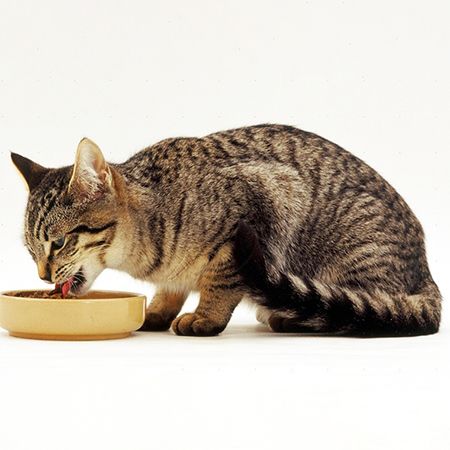 Should you give your cat offal?
Offal is an excellent source of vitamins and nutrients, benefiting cats of all ages. The protein in offal is highly digestible, making it a valuable addition to a cat’s diet. Offering offal 1-2 times a week helps balance your cat’s nutrition.
However, don’t overfeed offal, as it can lead to vitamin excess, particularly vitamin A. Offal is also high in phosphorus relative to calcium, so it’s important to feed it in moderation.