9 Reasons for Hyperactivity in Puppies
Lack of Activity
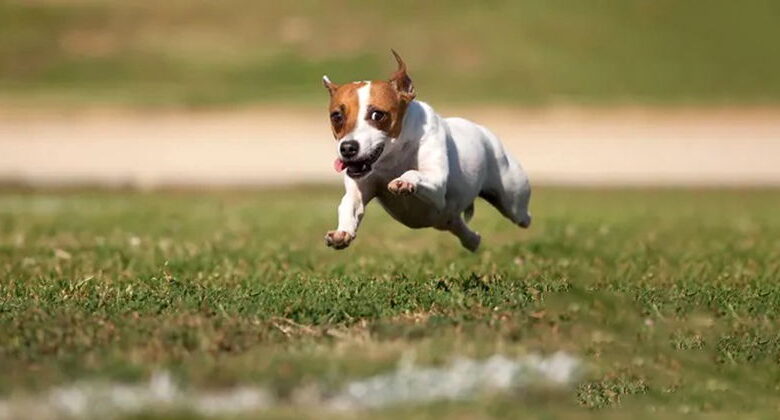
Puppies burn off energy by exploring the world and playing, but there comes a time when they run out of things to do. They need toys and walks to control their energy; otherwise, they may become bored or frustrated due to a lack of entertainment.
Boredom and frustration often lead to destructive behavior or aggression. If a puppy doesn’t have a chew toy, all that pent-up energy can come out as barking, running around, or jumping on the owner.
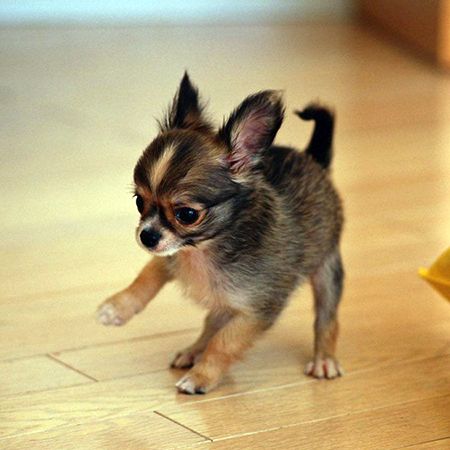 Overtiredness
While boredom can cause hyperactivity, the opposite is also true. Puppies with too much to do are prone to hyperactivity. When they are overtired and don’t realize they need a nap, discomfort leads to frustration. They may not only chew your favorite shoes but also become hyperactive.
It’s important to strike a balance between too little and too much activity. Provide games for your puppy, but also make sure to spend quiet time regularly. This will allow them to relax and take a nap to recharge.
Attention-Seeking
Puppies love attention, whether it’s in the form of treats or affection. If you give them attention every time they get overly excited during play, they’ll see it as positive reinforcement, even if you’re trying to calm them down. The next time the puppy feels neglected, it may become hyperactive because it knows that will attract your attention.
Encourage calm behavior in your puppy. If they are overly excited, stop playing with them and step away.
Breed
All puppies are full of energy, but the amount of energy in their tiny bodies can vary depending on the breed. A Border Collie, for example, will have much more energy than a calmer breed like a French Bulldog. While a dog’s size can play a role, as larger dogs tend to have more energy, it’s also important to consider what the breed was originally bred for.
Diet
Sometimes, hyperactivity can be caused not by the breed or overstimulation but by food. The food a dog eats affects both their digestive system and brain development. It even influences their sleep cycle, energy levels, and skin health.
Healthy, high-quality nutrition helps puppies grow and maintain their natural energy levels and health. An improper diet may contain ingredients like sugar, which can lead to hyperactivity. A puppy’s blood sugar level can spike, causing them to become hyperactive. It’s essential to carefully consider the diet your dog needs and check the ingredients in their food.
Lack of Training
Training doesn’t just teach a dog to obey its owner; it also helps them control their behavior. The same is true for socialization. The more experiences a puppy has, the better they will react to people, other pets, and stimuli.
Without training, a puppy won’t know how they’re expected to react to what they experience. Play may end with the puppy becoming overly excited, simply because they haven’t been taught to recognize when their behavior is unacceptable.
Health Issues
In most cases, hyperactivity in puppies can be easily corrected and may result from improper diet, breed, or lack of activity. However, it can also be caused by health issues.
When trying to figure out the cause of your puppy’s hyperactivity, pay attention to how long it lasts. If you’ve changed their diet, activity level, and training, but they are still hyperactive, consult a vet. They can diagnose conditions like hyperthyroidism or neurological disorders that may lead to hyperactivity.
Potty Training
As puppies learn to interpret what they need, they may act strangely. Most often, they show hyperactivity or excessive anxiety when they need to go to the bathroom. If the puppy is older, hyperactivity may be their way of asking to go outside. A very young puppy may not fully understand what their body is trying to tell them, which can lead to a panic episode.
Youth
Most of a puppy’s hyperactivity can simply be attributed to their age. Young dogs are always more excitable than adults, and that’s normal. Puppies need a lot of energy to explore the world around them, and they often don’t understand how to control their energy levels, which results in short bursts of activity.
As they grow, puppies will gradually outgrow their hyperactivity. To help them, encourage calm behavior in your puppy, while continuing with regular training.