How to remove tartar from a dog?
Tartar in dogs can lead to numerous health problems for your pet. If left untreated, it may even result in tooth loss! To avoid such unpleasant consequences, it’s essential to regularly brush your dog’s teeth, which can be done at home. In more serious cases, a visit to the vet is necessary. How can you remove tartar from a dog’s teeth?
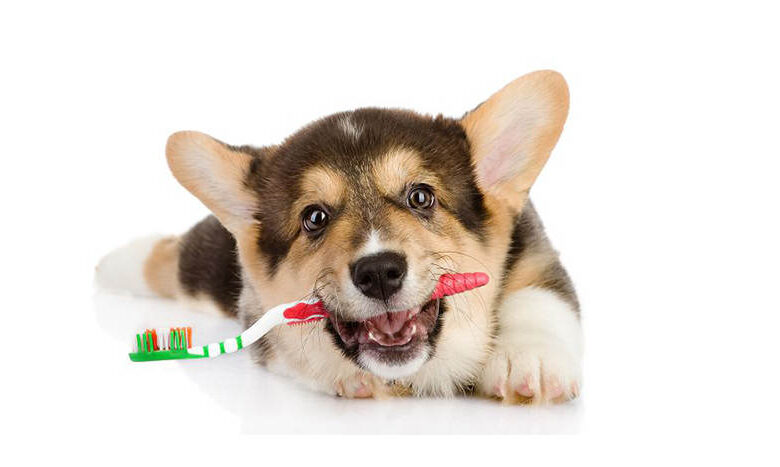
To ensure your dog stays healthy for years, it only takes a few minutes of dental care. Oral care for your pet should be similar to that of humans. This means that your dog’s teeth should be brushed daily with a soft toothbrush and dog-specific toothpaste. But there are other important aspects to consider in maintaining healthy teeth for your pet.
Ways to Remove Tartar in Dogs
A large amount of tartar can only be removed under anesthesia. Cleaning a dog’s teeth with a scaler is extremely effective but can be expensive. This is also not an option for dogs with health problems that prevent them from undergoing anesthesia. Fortunately, there are several home methods that can help keep your dog’s teeth healthy for years!
Toothbrushing
Getting your dog to regularly brush its teeth can be a challenge, but with patience, any dog can be trained to allow toothbrushing. This is one of the most effective ways to remove plaque from your pet’s teeth.
Dental Chew Toys
Chewing is a great way for dogs to reduce plaque buildup. While it doesn’t replace regular brushing, it can complement it. Chew toys are also an alternative for dogs that refuse to have their teeth brushed. However, be careful when choosing chew toys and pay close attention to the ingredients. Avoid giving dogs chew toys made from compressed rawhide or those with preservatives or dyes. Dental chews should contain ingredients that prevent tartar formation, such as polyphosphates or extracts of green tea, eucalyptus, or clove.
Natural Treats
Dried pig ears, hides with fur, or even whole deer legs are natural chews that can help clean your pet’s teeth. These natural chews are the safest and healthiest oral hygiene options for dogs. Just be cautious not to overdo it as they can be high in calories.
Bones
Including bones in your dog’s diet can be a topic of debate. However, when given in the right form, size, and quantity, bones can have a positive effect on your dog’s dental hygiene. Edible bones include chicken wings and necks from chickens and turkeys. Another way to combat tartar is to give your dog larger, tougher bones with meat remnants still on them. Scraping the meat off beef femur bones is a great activity for dogs.
Tartar Removal Doesn’t Have to Be Unpleasant!
Maintaining your dog’s dental health should focus primarily on prevention. Regular tooth brushing and chewing bones can reduce the risk of dental disease and spare your dog the pain and stress associated with anesthetic treatments.