Four reasons for redness in a dog’s paws
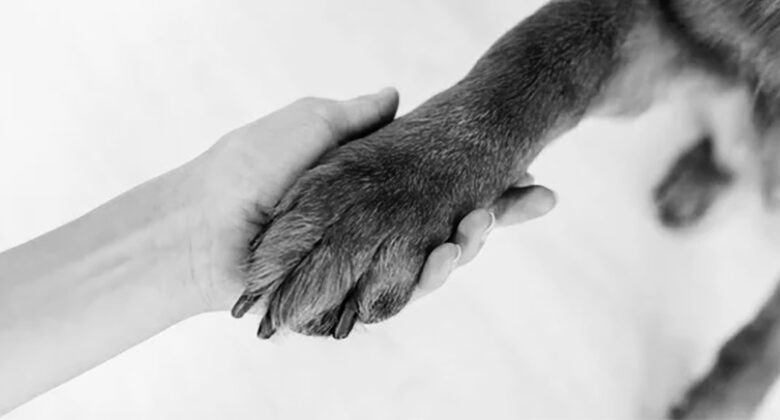
Injury. If only one paw is affected, it’s likely due to an injury. This may happen if the dog steps on something sharp or sprains it. Pain may also result from something stuck between the pads. If the dog allows, examine the paw for any visible injuries or irritations.
Another potential cause is irritation or burns from surfaces that are too cold or too hot. Dogs can get frostbite from prolonged contact with cold or hot concrete. Other hazards include ice forming between paw pads or salt used to melt ice. It’s best to walk your dog early in the morning or evening in bad weather to prevent recurrences.
Infections. Fungi, yeast, and bacteria can cause painful infections leading to red paws and triggering an immune response. This often comes with other signs, like heat or swollen paws. You may also notice open sores or discharge, especially if the dog constantly licks its paws. This can also lead to hair loss near the infected area.
Fungal infections can occur on their own or result from a secondary bacterial infection from an existing wound, so a vet visit is needed to determine the cause and treatment plan.
Allergies and Parasites. Allergies often appear in spring and summer due to certain plants or grasses, especially if the issue recurs. Parasites can also cause paw redness. Highly sensitive dogs may develop flea allergy dermatitis. These issues require prompt treatment.
Food allergies and atopy can trigger a reaction, causing the dog to lick itchy paws, leading to redness. You may also see hair loss, ear infections, and other signs of irritation. These conditions are challenging to diagnose and treat. Treatment includes an elimination diet to identify the problem.
Genetic and Age Factors. Some breeds are prone to certain skin conditions that can cause paw redness. For example, Pekingese are susceptible to interdigital cysts due to environmental irritants leading to excessive paw licking. After ruling out other diseases, a vet will likely prescribe oral medications.
Other breeds are predisposed to skin conditions affecting their paws. English Bulldogs and Chinese Shar-Peis often have issues with skin folds and short hair. Age can also play a role; for instance, demodicosis is more common in dogs over four years old.