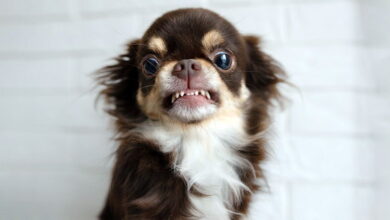
How to Train a Puppy to Stay Home Alone
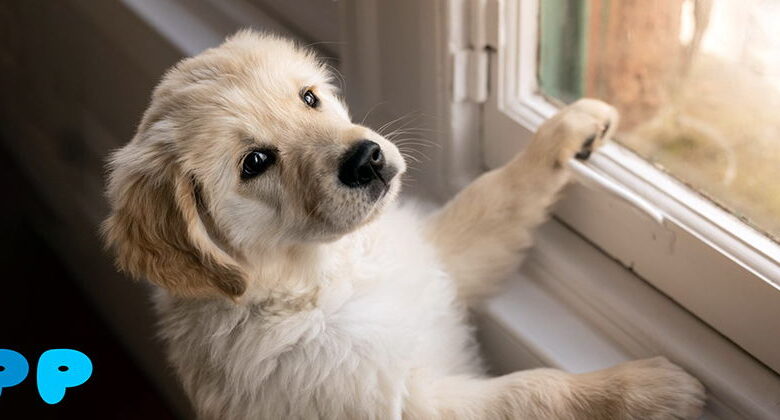
Training a Puppy to Stay Home Alone
Teaching a puppy to stay home alone can be challenging. Many owners find that their puppies become distressed when left by themselves. However, there are ways to help a puppy get used to this situation.
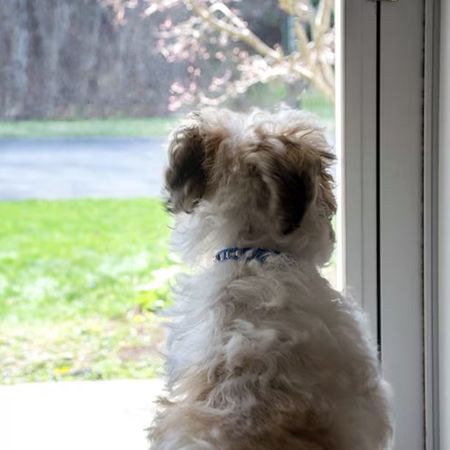 First, don’t leave the puppy alone for long periods right away. Start gradually—leave for 5-10 minutes initially, then gradually extend the time. Before leaving, make sure the puppy is fed and taken out for a bathroom break, so it’s not uncomfortable due to hunger or the need to relieve itself.
Second, create a safe space for the puppy. It’s best to limit it to a small room or part of a room, removing any dangerous items. You can leave toys, a water bowl, and a bed to help the puppy feel comfortable.
Third, avoid showing too much emotion when saying goodbye or returning. Stay calm, as too much emotion can cause the puppy to feel anxious each time you leave. When you return, wait a bit before giving it attention to avoid reinforcing excitement.
Gradually increasing the time apart will help the puppy learn to handle being alone. Patience is essential, and don’t rush the process. Also, be sure to spend quality time with your puppy when you’re home to strengthen the emotional bond, making separation easier to bear.
Keeping the Puppy Occupied While Alone
For short absences, it’s important to provide something engaging to prevent boredom and destructive behavior. Puzzle toys with treats inside can distract the puppy for a while, as can rubber chew toys.
A treat-dispensing ball is also a good option; the puppy must roll it around to release dry food. Another idea is to hide treats in small paper bags and scatter them around; the puppy will enjoy tearing them open to find the treats.
Playing soft music or audiobooks can also help the puppy feel less lonely, as long as the volume isn’t too high. Additionally, leaving a familiar-smelling item like a shirt can comfort the puppy. Creating a cozy “den” effect by covering part of its space with a light blanket can also provide a sense of security.
Teaching the Puppy Not to Whine When Left Alone
When the puppy can handle short periods alone, start extending the time to a few hours, following some guidelines.
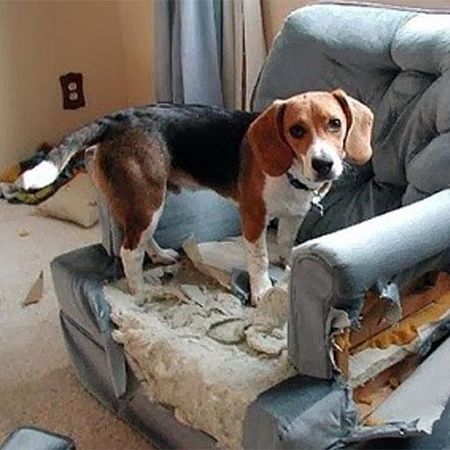 First, before leaving, make sure the room is well-ventilated, provide fresh water, take the puppy out for exercise, and feed it. Leave an engaging toy or treat puzzle to keep it busy for a while.
Second, secure the area where the puppy will be left. Remove hazardous items, close windows, and block off other rooms. Play soft background music, and consider leaving a dim light on to prevent complete darkness.
Third, ignore any signs of anxiety when you leave or return. Don’t comfort or scold if the puppy whines—just leave or enter calmly. After returning, wait a few minutes before petting or interacting with it.
Initially, limit solo time to 2-3 hours, rather than a full day. Also, avoid leaving young puppies alone for long periods; puppies under a year old can tolerate up to 3-4 hours alone at most.
With these practices and gradual time increases, your puppy will learn to handle longer absences calmly. Patience and consistency are key. Over time, your pet will become a well-adjusted dog, able to stay alone without high levels of stress.