Domestic Foxes

 Foxes: Interesting Facts and Care
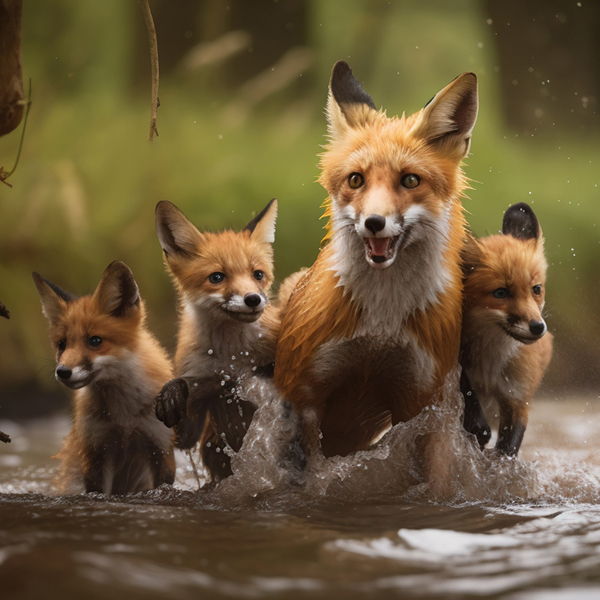
Biologists identify eleven species and nearly four hundred subspecies of foxes, which belong to the canid family, alongside raccoons, wolves, and arctic foxes. Foxes can thrive in various climates, from deserts to tundras. They are often found in mountainous areas, where they like to hide. These predators cannot see colors, but they have excellent hearing and a keen sense of smell. Any movement, no matter how small, catches their attention.
Foxes are very intelligent animals. While they can be tamed and trained, their hunting instincts remain strong. To foxes, human families represent their clan. However, they may not always submit to humans and might seek a dominant position.
Foxes in Domestic Settings
Wild foxes are completely free and independent. Their cute appearance hides a fierce predator, and they can show their wild nature not only to strangers but also to their owners. Foxes remember grievances and can exhibit jealousy, potentially leading to vengeful behavior.
Many countries have laws prohibiting the keeping of wild animals as pets. This list includes foxes among forty-seven species. It is only permitted to keep them if they are found injured and in need of help. Once they recover, they should be returned to their natural habitat. However, laws also allow for the study and education of wild animals, so research labs and zoos can keep them legally. Those who tamed foxes before 2020 must notify local environmental authorities about their pets.
There is also a domesticated breed of fox developed by scientists in Novosibirsk. This project aimed to create a fox with genetics that are more friendly toward humans.
The Domestication Process
The domestication of foxes dates back to ancient times. Even prehistoric people sought pets that would not be too stubborn. Foxes born in the wild retain the genes of aggressive carnivores. A newborn puppy raised in a home may not become a good pet and could even face dangers.
Research has shown that foxes with droopy ears, curled tails, and shiny coats tend to be friendlier. In many ways, they behave like dogs. After forty-five years of continuous experiments, scientists have managed to mutate the aggression gene, allowing a generation of foxes to adapt to living with humans.
Care Requirements
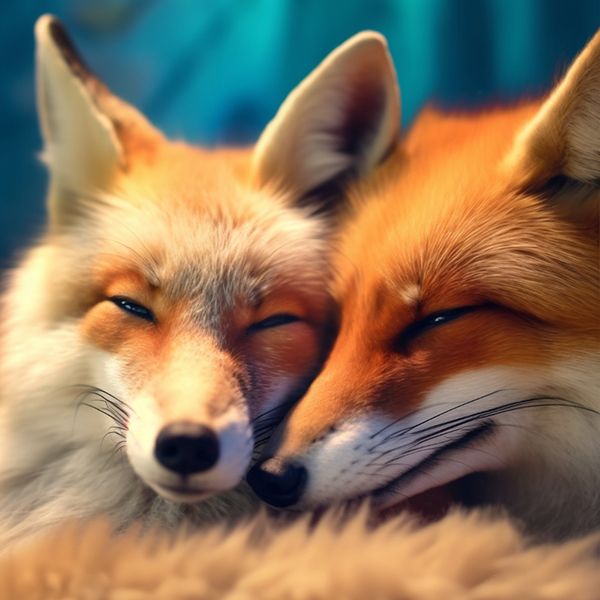 It’s important to note that foxes require a lot of attention. They need more frequent walks than typical pets; otherwise, you might find unpleasant marks and waste around the house.
It’s best to start training fox puppies at a very young age to help them adapt. Young foxes are typically active and eager to interact. Owners should be prepared for their pet to roam during the night. A well-built enclosure is an excellent living space, providing everything needed for comfort.
Toys, beds, and scratching posts for foxes can be the same as those made for cats and dogs.
Foxes are incredibly beautiful and fascinating creatures. Here are a few interesting facts about them!