How to Take Care of a Hedgehog

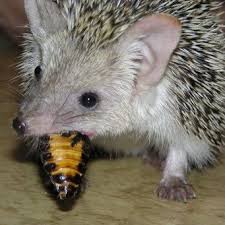 One of the most recognizable forest dwellers we remember from childhood is the hedgehog. The simple hedgehog we are used to seeing in cartoons, carrying an apple, a mushroom, or a bunch of berries on its back. These creatures often visit our country houses, announcing their presence with snuffling and rustling near the door at night. It’s no surprise that more people are keeping these animals as pets in recent years. In most large cities, there are already clubs and communities of hedgehog enthusiasts.
Hedgehog Care
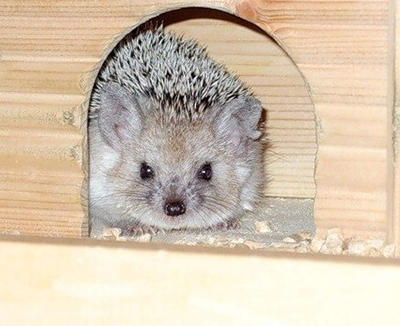
The simplest way to get a hedgehog is to bring one home from the forest. There are plenty of areas around cities where these animals are abundant, and catching one isn’t too difficult. However, you must remember that a wild animal will never fully adapt to living in an apartment. This will likely lead to a series of conflicts and bitten fingers. It’s much easier to get a hedgehog from breeders, who can offer not only regular hedgehogs but also eared hedgehogs or even more exotic Daurian hedgehogs, distinguished by their cute, light-colored faces. No matter which type you choose, keep in mind that even the first generation born in captivity tends to be friendly. These hedgehogs aren’t afraid of people and quickly become accustomed to their owner. You can play with them, and they will respond affectionately, just like a cat or dog—but only in the evening! After all, hedgehogs are nocturnal animals and will never change their schedule, even for a beloved owner. Their peak activity will always be in the evening and at night. So be prepared to hear rustling, snuffling, and grumbling as your hedgehog wakes up, heads to the food bowl, and starts tidying up its home. You’ll have to get used to it, and eventually, these sounds will stop being annoying and even become endearing.
Winter Hibernation and Hedgehog Housing
The second thing you’ll need to accept is the winter hibernation of hedgehogs, which begins at the end of October and can last until the end of March. The hedgehog will sleep no matter what; it’s in their nature. It’s best to leave them in peace during this time: insulate their home and move it to a balcony, attic, or shed—anywhere cool, around five degrees Celsius but not higher. If your hedgehog doesn’t hibernate because you want to keep interacting with them, they will experience extreme stress, and there’s a high chance they won’t survive until spring.
 When it comes to housing, large wire or acrylic cages work best. These allow plenty of light in, which is important for your pet, and offer a clear view for observation. Avoid boxes or crates, as they can become too hot in summer and hedgehogs, being natural escape artists, could easily gnaw their way out. If a hedgehog gets loose, they could hide in hard-to-reach places or get tangled in wires, leading to dangerous situations.
You’ll likely still let your hedgehog roam the house to play, but remember they are curious creatures, capable of squeezing into the smallest spaces. Be cautious of electric cords, which seem to attract them like magnets; hedgehogs can get tangled in them or even chew through them.
In their cage, create a separate area with a den for sleeping. If you plan to keep two hedgehogs, provide two dens or better yet, two cages. Hedgehogs are territorial and will fight over every inch of space. They tolerate the opposite sex only during mating season, and even then, not for long. If you house two males together, they will fight, and the loser will likely be kept from the food.
When building a hedgehog house, remember you’ll be the one cleaning it, so choose a design that allows you to easily change the straw bedding. It’s also best to have a pull-out tray for easy cleaning. To prevent parasites like mites, you can sprinkle dried chamomile between the cage floor and the tray, as the scent repels these pests. The same treatment can be applied to the hedgehog’s sleeping area.
 Feeding a Hedgehog
And finally, let’s talk about feeding. Despite the cartoonish image of hedgehogs with berries on their spikes, they are natural predators. This means they need to be fed finely chopped meat, either fresh or boiled—a topic for debate. In the wild, they eat raw meat, but it can contain harmful bacteria. Boiled liver is a good option, and you should occasionally treat them to raw meat or fish.
However, this doesn’t mean you should exclude fruits and vegetables from their diet. As a special treat, you can offer them May beetles or mealworms, which can be bought in pet stores. Catching beetles is trickier, but there are forums with detailed guides on how to catch and store insects for hedgehog food. Don’t forget to change their water daily, and you can occasionally treat them to milk, which they’ll happily drink. As for playing with them, you’ll figure it out through trial and error. Each owner develops their own way of bonding with their pet.