Winter Care for Turtles
First and foremost, it’s essential to ensure the turtle is well-fed before hibernation. Its diet should be rich in protein, vitamins, and minerals. Offering calcium-rich foods is also beneficial for strengthening its shell.
 Additionally, the winter enclosure should be well-prepared. The optimal temperature for turtle hibernation is around +5°C. Ideally, place the enclosure in a basement to avoid sudden temperature changes. The floor should be lined with hay or wood shavings.
It’s also important to provide a shelter where the turtle can hide, such as a box, a rock cave, or a piece of wood. This will help it feel secure.
By creating comfortable hibernation conditions for the turtle, you can rest assured about its health and get through the winter smoothly.
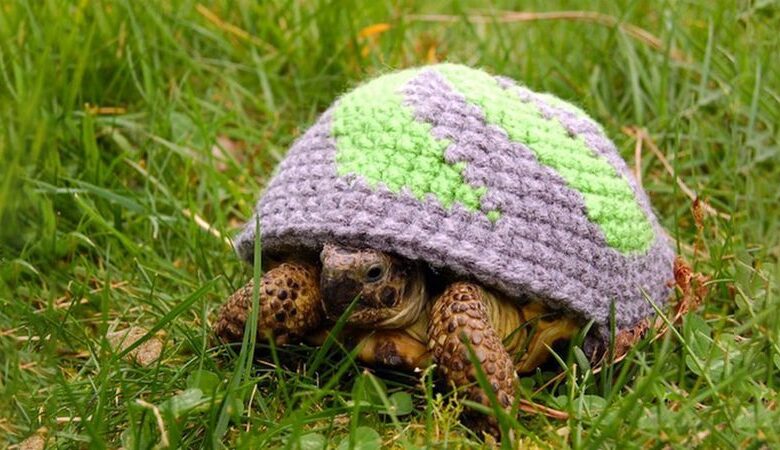
When the cold season arrives, many turtle owners wonder what to do with their pets during the winter. In their natural habitat, turtles go into hibernation, but home environments differ significantly. Here are some main options for winter care.
One common method is digging a hibernation pit in the garden. The pit should be deep enough to prevent freezing. Cover it with boards and insulating material, then place the turtle inside for hibernation. This method is suitable for large, healthy turtles.
Another option is keeping turtles indoors in a wintering area, like a basement, balcony, or garage. The temperature should stay above +5°C without sudden fluctuations.
Alternatively, you can create an artificial hibernation environment by placing the turtles in a refrigerator. In this case, gradually lower the temperature to +5°C and maintain it throughout the winter.
In any case, turtles should be well-fed before hibernation and exposed to sufficient UV light. When winter ends, bring turtles out of hibernation gradually to prevent stress.
By properly preparing and creating comfortable wintering conditions, you can help turtles make it through even harsh climates. The key is to consider the specific needs and health of each turtle.
In addition to maintaining optimal temperature conditions, there are other important aspects of winter care.
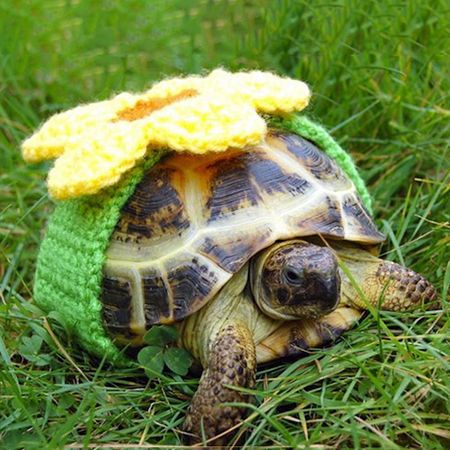 First, ensure proper humidity for the air and bedding in the hibernation area, ideally around 80%. This will help prevent dehydration during hibernation. Second, periodically check the turtles’ condition, looking for any shell damage or signs of illness. If any issues arise, consult a veterinarian. Third, provide the turtles with peace and avoid disturbances, as external stressors can interrupt hibernation, weakening and exhausting the turtle.
At the end of winter, bring turtles out of hibernation gradually over 1-2 weeks, increasing the temperature slowly. After waking, they require special care and recovery feeding.
Following these winter care guidelines can help minimize health risks for turtles and ensure a safe transition through the cold season. The main priority is to respect these amazing animals’ natural needs.