Does a parrot live well in a cage?
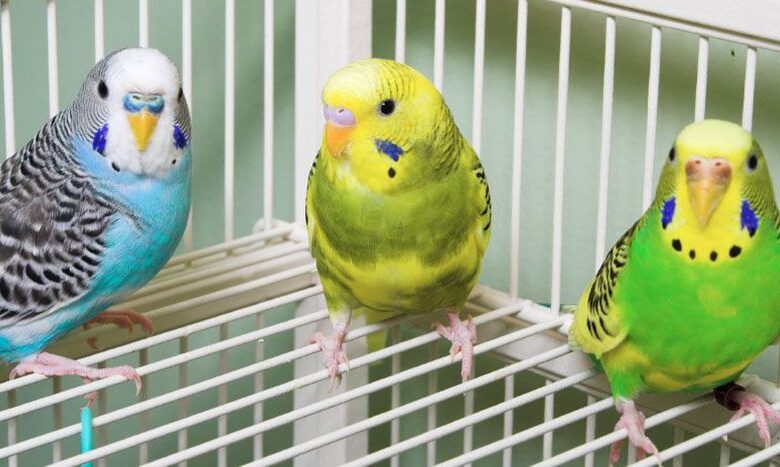
When choosing a feathered pet, it is important to carefully study the features of the breed and realistically assess your capabilities. Some species of parrots are not only very expensive, but they also require a lot of time and attention.
 Types of Parrots:
Large parrots
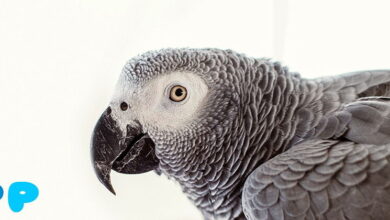
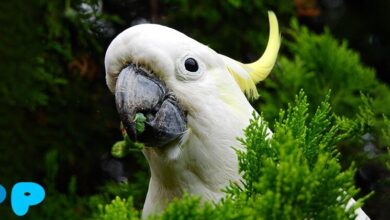
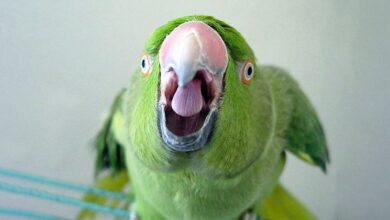
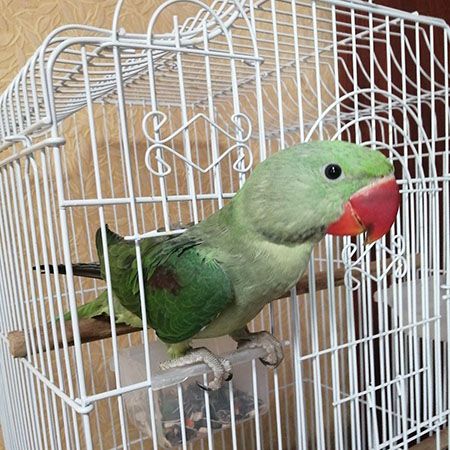
Large parrots are considered species up to 90 cm in length, with a lifespan of 50 to 100 years, depending on the breed. Large parrots are very intelligent, and therefore, the requirements for keeping such birds are quite high. These species include Amazons, Macaws, African Greys, and Cockatoos. It is better to buy such birds in pet stores or specialized aviaries. Purchasing wild birds is not recommended due to the high risk of exotic diseases. Large parrots are quite expensive, so it is essential to have the bird examined by an avian veterinarian before buying. The cage should be chosen according to the size of the parrot, allowing it to freely spread its wings. The bars of the cage must be thick enough so the bird cannot bite through them. At least once a day, the bird should be let out of the cage, and to avoid unpleasant situations, the room should be equipped with perches and branches for the bird to chew on. These branches should be from fruit trees and replaced as they are gnawed through. The cage should be placed in an open, well-lit space, away from heating radiators and drafts.
Large parrots should be fed specialized feeds. Their intelligence can reach the level of a four-year-old child. These birds are highly trainable, and in some cases, it may be necessary to involve a specialist to properly train the parrot. With enough dedication, you can teach these birds to talk and even hold short conversations, although this will take a lot of time and effort. Every day, you should devote at least 40 minutes to your pet; otherwise, the bird will get bored and start plucking its feathers.
Large parrots are very noisy and have a tendency to screech loudly when they want attention, which they demand quite a lot of. You need to talk to them constantly. When letting them out of the cage, you must watch them closely and play with them; otherwise, the bird will find something to occupy itself with, potentially damaging furniture, wallpaper, curtains, wires, or anything else it can reach and chew on. The powder that falls off their feathers can cause allergies, so it’s better to learn about this in the pet store, rather than discovering it at home after the bird is purchased.
Medium parrots
Medium species are considered parrots ranging from 20 to 30 cm in length, with a lifespan of 15 to 40 years, depending on the breed. These parrots require less time for care, are easier to tame, and are very sociable and friendly. However, it is important to remember that every bird, no matter how small, has its own character and temperament. Examples of such species include Cockatiels, Lorikeets, and Senegal parrots. The cage should be chosen according to the size of the parrot and based on the number of birds in the cage. Branches from fruit trees can be placed inside the cage. It’s important to keep the cage clean: clean it daily, wash the water bowl with hot water using baking soda, and perform a full cleaning at least once a week. Don’t forget to change the drinking water regularly. The birds should be let out of the cage at least once a day. Over time, the parrots get used to these outings and return to the cage easily. Their diet should mainly consist of millet with various supplements, and mineral supplements are necessary. Feeding parrots human food is not recommended, as it can harm the bird and significantly shorten its lifespan.
 Small parrots
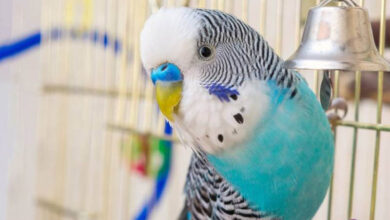
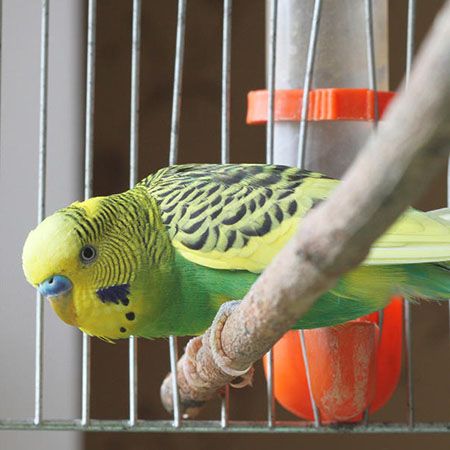
Small species are considered parrots up to 20 cm in length, with a lifespan of 8 to 20 years, depending on the breed. Small parrots are the least demanding in care. A small cage will suffice for them. They should be fed millet with various supplements. Branches from fruit trees and different perches should be placed in the cage. The birds should be let out of the cage at least once a day.
Small parrots love perches, swings, bells, and mirrors. You need to keep the cage particularly clean, as small parrots are very messy. Food crumbs and husks fly in all directions, so it’s important to carefully choose where to place the cage, preferably away from carpets, as cleaning millet husks from such surfaces can be difficult. It’s also important to remember that small parrots are unlikely to learn to use the toilet in one place, so after their outings, you will have to clean up their droppings each time. Make sure that the drinking water is always fresh and clean.
With a feathered friend in the house, it will never be quiet again. Scattered husks, feathers, and chewed-up items are common, but parrots are excellent companions and can react to changes in their environment as well as a dog would.