How to teach a parrot to talk?
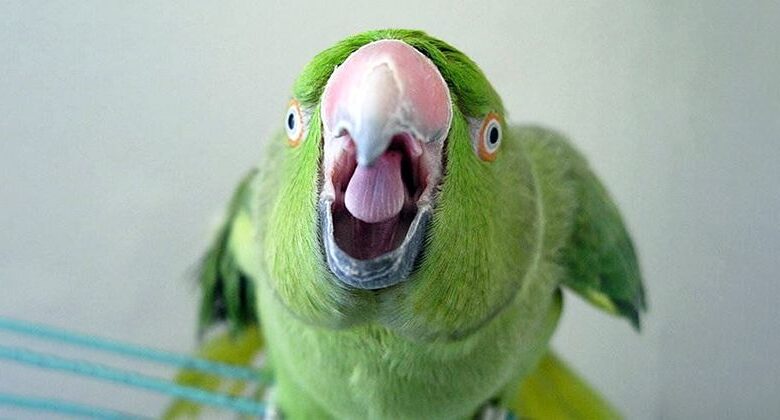
Many people dream that their parrot will become a good conversationalist when they bring one home. But is that really the case? Can birds actually speak, and more importantly, understand and engage in conversation?
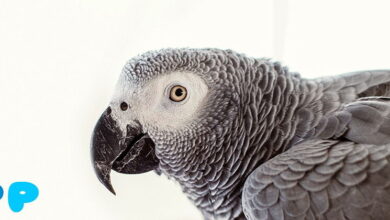
Parrots are quite intelligent, but not all are easily trainable. When choosing a parrot, it’s important to know which species can be taught and which may not be worth the effort. For example, the most talkative parrots are the noble and African grey parrots (or Jaco). These birds can memorize around 500 words, have excellent memory and high intelligence, allowing them not only to repeat words but also to hold a short conversation. They are also great at mimicking sounds like vacuum cleaners, sirens, laughter, and many others. Interestingly, African greys can live up to 60 years, while noble parrots live up to 40.
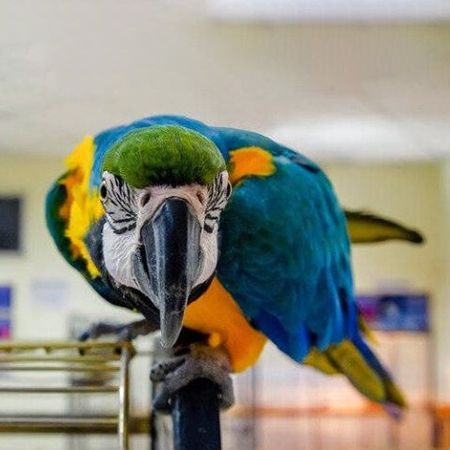
You can also try training Alexandrine parrots, macaws, or Amazons, but keep in mind that their intelligence is comparable to that of a three-year-old child. While it’s often said that males are smarter than females, this hasn’t been definitively proven.
 How to Train a Parrot
To train a parrot, you must first tame it and build a trusting relationship. The parrot shouldn’t be afraid to take food from your hand or be nervous around you. The ideal age to start training is 2 to 3 months, as young parrots are the most receptive to learning. It’s also better if a woman handles the training, as parrots find it easier to reproduce higher-pitched sounds. The training should follow a consistent schedule, with feeding and sessions happening at the same time each day. Here’s a suggested training algorithm:
- Choose a Suitable Name: It’s easier for parrots to pronounce names with sounds like “r,” “k,” “t,” “o,” “a,” “ch.”
- Start with the Name: The name should be spoken clearly, calmly, and slowly. If the parrot slowly opens or closes its eyes, it’s listening closely.
- Hold Lessons in Silence: The parrot should feel comfortable and not distracted.
- Learn One Word at a Time: Don’t move on to a new word until the previous one is learned.
- Avoid TV Exposure: Contrary to popular belief, leaving a parrot with the TV on can result in it picking up bad words. Instead, you can leave a voice recorder playing a repeated recording. Eventually, the bird will start to mimic the words.
- Use Short Words: Stick to short words with 1-2 syllables.
- Create Conditional Associations: For example, say “hello” (clearly and loudly) each time you return home or say “eat” during feeding. Over time, the parrot will associate these words with specific actions and situations.
- Reward Success: After each successful attempt, reward the parrot with a treat.
- Limit Training Sessions: Keep sessions short—15 minutes in the morning and the same in the evening.
- Never Scold or Yell at the Parrot: Yelling will be perceived as aggression, and the bird may refuse to cooperate.
What if It’s Not Working?
The key to successful training is patience. Many owners become discouraged when they don’t see quick results. However, it’s important to remember that there are lazy and hardworking birds among parrots, just like in any other species. A clever bird will learn what its owner teaches, while a less intelligent one may continue chirping. “There are no bad students, only bad teachers.” It’s worth asking yourself, “What’s going wrong?” If you’re in a bad mood, it’s better to postpone the lesson than risk scaring or upsetting the bird. Sometimes a break in training helps, giving the bird time to process what it’s learned. In the end, parrots are loved not for their ability to talk, though it’s certainly appreciated. A parrot surrounded by care and kindness will start talking much faster than one that is being forcefully trained.