7 Reasons Why Your Cat Isn’t Eating But Is Behaving Normally
Stress
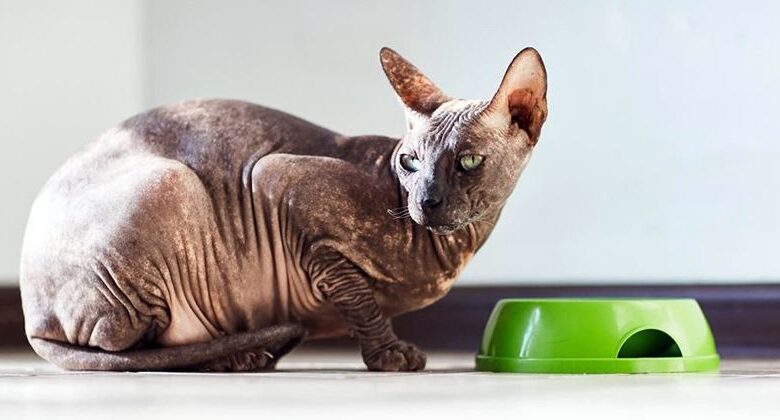
Like humans, cats can also suffer from stress. They may experience stress due to things like the arrival of a new pet or baby in the household or other disruptions in their environment. Cats do not handle stress well, so you might notice changes in their behavior. A decreased appetite is a common sign that a cat may be feeling stressed or unwell. Other signs of stress can include changes in sleeping habits or litter box use.
 Age
Age
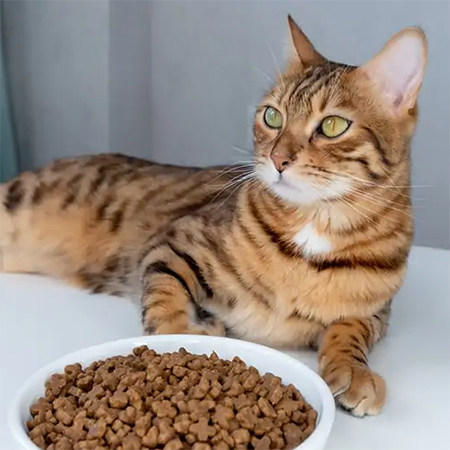
As cats age, their appetite naturally begins to decline. They may otherwise behave normally, but you may notice slight changes in their activity level. It’s normal for an older cat to eat a bit less due to reduced activity and a slower metabolism. If a cat eats less due to aging, the changes will be more subtle than if it were caused by stress or illness. Older cats may also experience changes in food preferences. It’s important to first rule out pain and medical conditions as causes for feeding issues. Older cats are more prone to conditions like arthritis or dental problems, and many have chronic conditions that can suppress their appetite. If a senior cat refuses to eat any food for 24 hours, it’s essential to take them to a vet immediately for a health evaluation.
Health Issues
If a cat feels unwell, they may refuse food or eat less than usual. This can be due to pain or nausea, which makes swallowing food difficult. Various health problems, such as kidney disease or pancreatitis, can cause changes in a cat’s eating habits. Anything that causes nasal congestion and affects the cat’s sense of smell can also reduce their appetite. If you suspect that health issues are affecting your cat’s appetite, a visit to the vet is necessary.
Cats are good at hiding health problems because they don’t want to show vulnerability. If your cat starts refusing food or eats less than usual, this could be a sign of illness, so you should see a vet as soon as possible.
Sudden Changes in Diet
Cats can be picky eaters and often dislike changes in their diet. If you’ve recently switched your cat’s food or altered their usual feeding routine, they might not show much interest in the new food right away. It can take time for a cat to adjust to the different flavors and textures of new food, and they may not like it as much as their previous diet. It’s best to introduce new food gradually over 7-10 days to allow the cat’s digestive system to adapt. This gradual transition is especially important for cats with sensitive stomachs or finicky eating habits. Some cats find it difficult to adjust to a new diet if they prefer their old food.
Medication
If your cat is taking medication, a decreased appetite could be a side effect. Medications like antibiotics can have side effects such as nausea and an upset stomach, making it hard for a cat to eat normally. It’s important to discuss any changes in your cat’s behavior and appetite with your vet after starting medication.
 Dental Issues
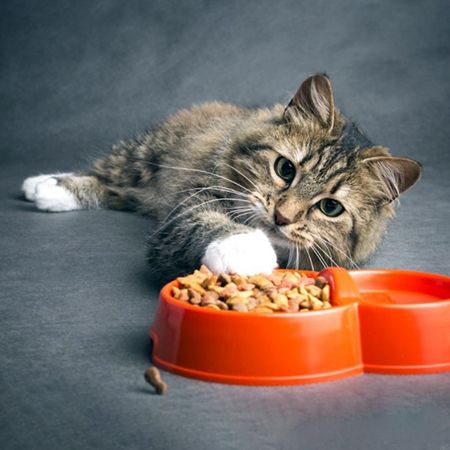
Dental problems are common in cats and can affect how they eat. Conditions like gingivitis, stomatitis, mouth ulcers, periodontal disease, or tooth infections are just a few dental problems that cats can face. Cats may find it painful and difficult to eat if they have dental issues. Not all cats show obvious signs of dental disease until examined by a vet, so a decrease in appetite could be the first sign to look out for. If you suspect your cat is eating less due to dental problems, it’s important to take them to the vet. Some cats may refuse to eat for several hours after dental surgery or a teeth cleaning. This could be due to swelling and discomfort in their mouth, making it difficult to eat. Your vet may recommend feeding your cat soft or wet food while they recover.
Gastrointestinal Issues
Like humans, cats can experience gastrointestinal problems, such as nausea and stomach discomfort, which can affect their appetite. They may have eaten something that didn’t agree with their stomach, or they could be dealing with conditions like acid reflux or inflammatory bowel disease. These issues can cause a cat to lose their appetite and eat less until the gastrointestinal problems subside.