 How to Tell if Your Cat is Too Hot
Knowing whether your cat is too hot is essential for ensuring their comfort and preventing emergencies like heatstroke. High temperatures can be a problem in the summer, especially in homes without air conditioning or cooling devices. Recognizing signs of overheating in your pet is crucial, as a cat’s thermoregulation differs from a human’s. In addition to keeping your pet comfortable (which is important), helping them stay cool serves an even greater purpose: preventing heatstroke, which can lead to serious illness, particularly in pets with health conditions or obesity.
Thermoregulation in Cats
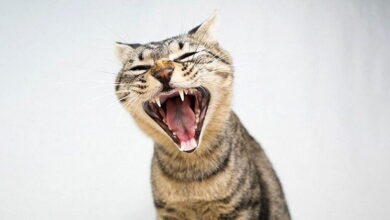
Cats, whose ancestors lived in desert environments, tolerate high temperatures quite well. They might even bask in the sun at temperatures that feel too hot for humans. However, this doesn’t mean they can withstand such heat for extended periods. Cats don’t sweat, except from the pads of their paws. To maintain a comfortable body temperature in hot weather, they pant with their mouths open, allowing cool air to circulate and dissipate heat. Another method they use is grooming: by wetting their fur with saliva, they can evaporate heat from their body’s surface.
How to Tell if a Cat is Hot
In addition to their natural thermoregulation methods, cats might show other signs when they are too hot. If your cat is overheating, you may notice the following behaviors:
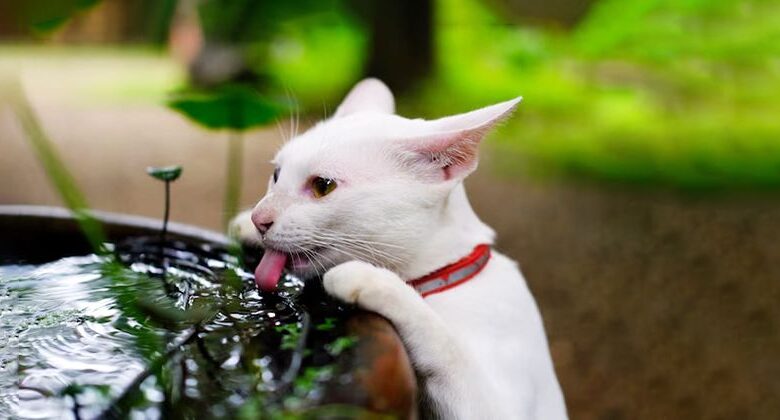
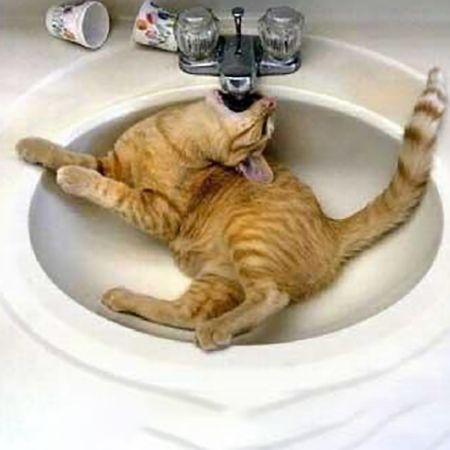
- Polydipsia: The cat drinks excessively to stay hydrated and cool.
- Weakness: The cat may walk unsteadily and move its limbs slowly.
- Inactivity: Different from regular resting, your cat will be more still and sleep for extended periods.
- Seeking out cooler spots: The cat may search for the coolest areas of the house.
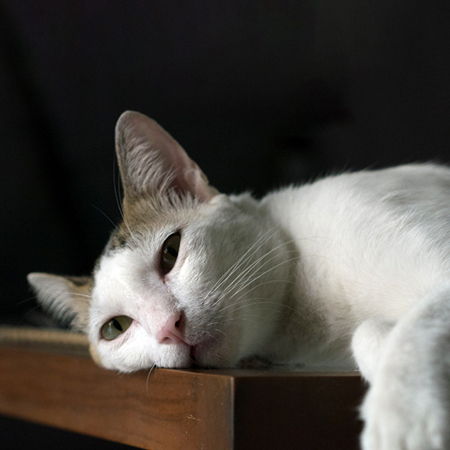
- Laying on cool surfaces: The cat may lie on surfaces like ceramic floors to cool down.
- Hypersalivation
- Muscle tremors
- Excessive grooming: If the cat is constantly licking itself, it’s trying unsuccessfully to cool off and is struggling in the heat.
 Heatstroke or Hyperthermia in Cats
If a cat cannot cool itself naturally and its body temperature rises above 39 degrees Celsius (102.2 degrees Fahrenheit), it may suffer from heatstroke. Signs of this include:
- Breathing irregularities: The cat’s breathing remains rapid even when at rest.
- Tremors and seizures
- Loss of balance
- Vomiting
- Red skin rashes
- Bluish skin and mucous membranes due to lack of oxygen: This is a serious sign of hypoxia, meaning the cat isn’t receiving enough oxygen, known clinically as cyanosis.
What to Do After a Heatstroke?
It’s important to contact a vet immediately and try to stabilize the cat’s condition by:
- Wrapping the cat in a damp towel.
- Moistening the mouth, armpits, and groin with cool water (do not force it to drink, as this may cause choking).
- Placing ice packs in the carrier on the way to the vet.
- You can place the cat under a gentle stream of water, but avoid very cold water as this may cause shock.
Even if the cat seems stable after these measures, it’s still important to take them to the vet, as heatstroke can have lasting health effects.
 Preventing Heatstroke in Cats
Prevention is the best way to protect your cat. There are many simple and inexpensive ways to help your cat stay cool. Here are some top methods:
- Provide fresh, clean water: Since cats can be fussy about drinking, make sure they stay hydrated regularly.
- Avoid confining your cat in small, poorly ventilated spaces: These can become hot, with nowhere for the cat to escape.
- Keep the house cool: This benefits both you and your cat. Avoid opening windows during the hottest hours, and ventilate the space at night. Use fans or air conditioning if available.
- Avoid outdoor time during the hottest parts of the day: Avoid play or exercise in the midday heat, opting for cooler evening hours instead.
- Grooming can help your cat stay cool.
- Place frozen water bottles near your cat’s favorite resting spot to cool the area.
If your cat tolerates water, you can moisten areas like its mouth, armpits, groin, and paw pads to help it cool down.
Lastly, be mindful of your cat’s health status. Cats with medical conditions or extra weight are more sensitive to heat, so extra caution is needed. When in doubt, especially on hot days, don’t hesitate to contact a veterinarian if your cat shows signs of discomfort.