If a Cat Contracts Rabies
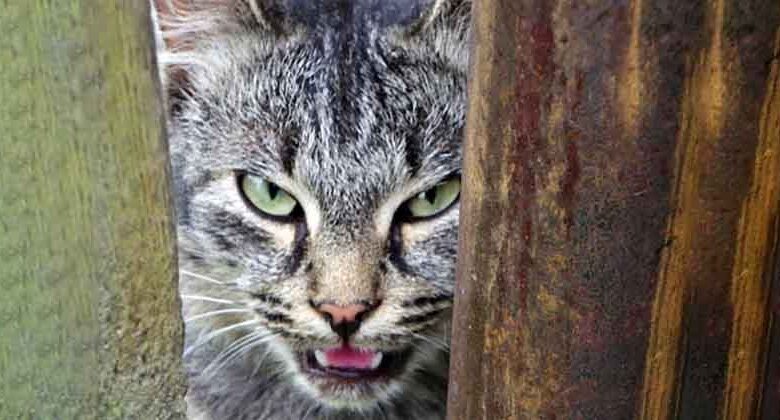
Rabies is a serious disease that can affect both animals and humans and is almost always fatal. The disease is characterized by damage to the nervous system and progresses steadily.
Pathogen of the Disease
The rabies virus is sensitive to external conditions. The myxovirus is destroyed by freezing and thawing biological material. However, if frozen and kept in this state, the virus can remain infectious for several months. When examining decomposed material, the virus can survive for two to three weeks.
The virus is quickly inactivated by disinfectants, and it is especially sensitive to alkaline solutions and formalin.
 Transmission of Rabies
Domestic animals become infected from wild animals such as foxes, wolves, and jackals. Stray animals are also highly susceptible to the virus. Rabies is transmitted through bites. The virus is present in the saliva and enters the bloodstream through broken skin. It then multiplies and accumulates in the nervous tissue, internal organs, and salivary glands.
Symptoms of Rabies in Cats
Like all diseases, rabies has an incubation period before symptoms appear. This period varies with the animal’s age and does not exceed seven days in kittens. In adult cats, symptoms usually manifest within 3-6 weeks, although in some cases, the first signs can take up to a year to appear.
The virus can be detected in saliva and other bodily fluids 8-10 days before any symptoms of rabies appear. This is used for diagnosing bites from potentially infected animals.
Forms of Rabies in Animals
Rabies manifests differently in each animal. It can be suspected if:
- The animal suddenly becomes passive, disobedient to its owner, and loses its appetite.
- The animal refuses to leave its owner’s side.
- The animal becomes irritable and aggressive, fears everything, and starts scratching or biting.
- Its eating habits change: the animal may start eating inedible objects and refuse normal food.
- The bite wound becomes itchy, leading the animal to scratch or bite at the wound. Symptoms appear only after enough of the virus accumulates in the tissues.
Early Symptoms of Rabies
The main early symptom of rabies is a spasm of the throat muscles, which worsens as the cat is unable to swallow water. As the disease progresses, salivation increases.
Common Rabies Symptoms Include:
- Aggression or violent behavior.
- Paralysis-related symptoms.
- An atypical form.
In the “excited” form, the main symptom is aggression towards the owner, other animals, and objects. The “paralytic” form is marked by lethargy and paralysis of body parts in the early stages. The “atypical” form features symptoms not typical of rabies, such as diarrhea with blood, vomiting, and other gastrointestinal issues.
Stages of Rabies
Rabies progresses in stages, and early symptoms are consistent with those described above.
In the manic phase, a cat’s aggression becomes more pronounced, and it may attack people and other animals. External stimuli such as loud noises or bright lights can provoke extreme and irrational aggression. After aggressive episodes, the animal may collapse and appear motionless and uninterested in its surroundings. During the active phase, the animal may make abnormally loud sounds.
Along with excessive salivation, visual impairments such as strabismus (crossed eyes) and corneal clouding occur. The lower jaw droops, and the tongue becomes misaligned.
As the disease progresses, paralysis of all four limbs occurs, beginning with the hind limbs and spreading to the front. Eventually, respiratory paralysis leads to death.
Progression of Rabies
The disease progresses from the first symptoms to death within 3 to 11 days. In milder forms, the illness lasts for about 2-4 days.
Diagnosing Rabies
Studies show that the rabies virus can be detected in saliva, urine, or feces. To diagnose rabies, a biological sample is analyzed to identify the pathogen.
Since there is currently no cure for rabies, animals that test positive for the virus must be euthanized. Owners should ensure their pets are vaccinated and monitor them for symptoms over a designated period.
If an animal shows no symptoms but has been attacked, it should be examined, and the material should be analyzed, while the animal is isolated in a veterinary clinic.
If rabies is suspected in a cat, the owner should wash their hands thoroughly with household soap and plenty of running water.