How to properly care for a hairless cat
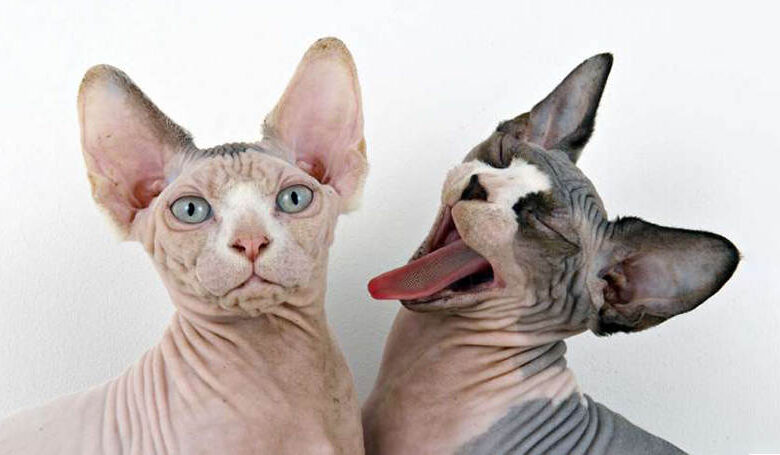
Caring for hairless cats is a serious responsibility. Before getting a hairless pet, it is important to learn the specifics of their care.
Living Conditions and Basic Care
First of all, you should consider that the heat dissipation of skin without fur is high, making the skin of a hairless cat feel hot to the touch. Therefore, it’s clear that cold is not suitable for a hairless cat. Such cats love to sleep under a blanket, preferably snuggled up to their owner, and always seek out the warmest spot in the house. For winter, it’s necessary to provide your pet with a warm wardrobe.
Summer brings new concerns regarding the care of a hairless pet: since the cat’s skin is unprotected from UV rays, it is susceptible to sunburn. This means that time spent in the sun should be limited.
In addition to these seasonal concerns, attention should be paid to the following:
1. Eye Care
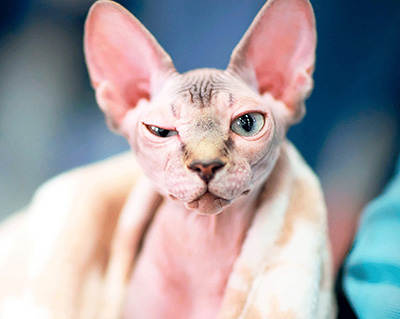
Since hairless cats lack eyelashes that would normally protect the cornea from dirt, damage, or foreign objects, their eyes produce a significant amount of tear fluid. This tear secretion, which turns brown when exposed to air, forms unattractive clumps that must be cleaned regularly.
2. Ear Care
There are no hairs on the inner surface of a hairless cat’s ears, leading to increased wax production. The secretion needs to be cleaned every 5–10 days, depending on how much wax is produced. Use a cotton pad for cleaning, but avoid cotton swabs, as they can damage the ear.
3. Bathing
Hairless cats’ skin is protected by numerous sebaceous glands, resulting in a layer of oil that can transfer onto clothing and surfaces. Regular bathing is necessary because excess oil can clog glands, potentially causing inflammation, acne, or pimples.
Depending on how much oil the cat’s skin produces, hairless cats should be bathed 1–2 times a month, which is enough to keep their skin healthy. However, the bathing process requires care.
 Steps to Bathe a Hairless Cat:
- Preparation: Select an appropriate shampoo that will not dry out the skin or increase oil production. The shampoo should contain anti-inflammatory, healing, and moisturizing ingredients. You’ll also need a soft towel, a gentle sponge, and a small basin.
- Temperature and Bathing Method: Place a towel or mat in the basin to prevent the cat from slipping, which could make it anxious. The water level for an adult cat should be around 15 cm, with an optimal temperature of 36–38°C. Since cats dislike the sound of running water, it’s better to avoid showering them directly.
- Washing: Be sure not to soap the cat’s head, as water might get into the ears. Simply wipe the head with a sponge or cloth. If the cat is afraid of water, adding foam to the bath can help.
- Drying: After bathing, wrap the cat in a towel and hold it in your arms until it’s completely dry.
Nutrition and Veterinary Care
There are no special dietary recommendations, but it’s important to remember that hairless cats require more calories because maintaining their body temperature consumes a lot of energy.
As for veterinary care, hairless cats need annual vaccinations. Another essential detail: if you don’t plan to breed the cat, it should be spayed or neutered.
And of course, love, care, and responsibility are key to raising a happy and healthy hairless friend.