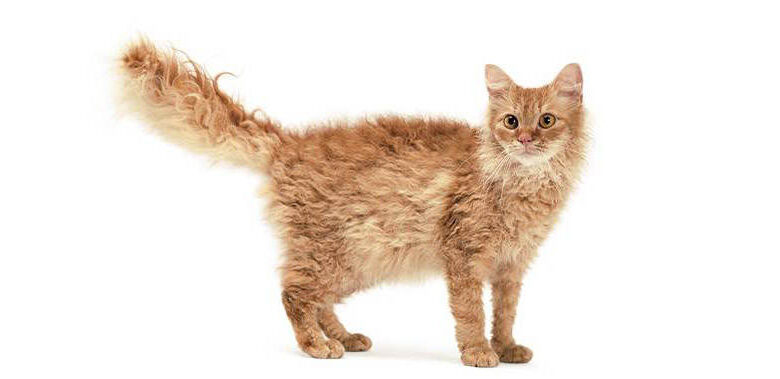
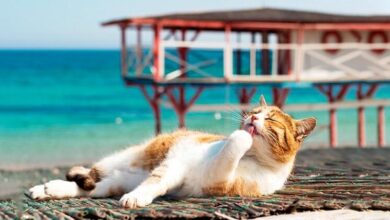
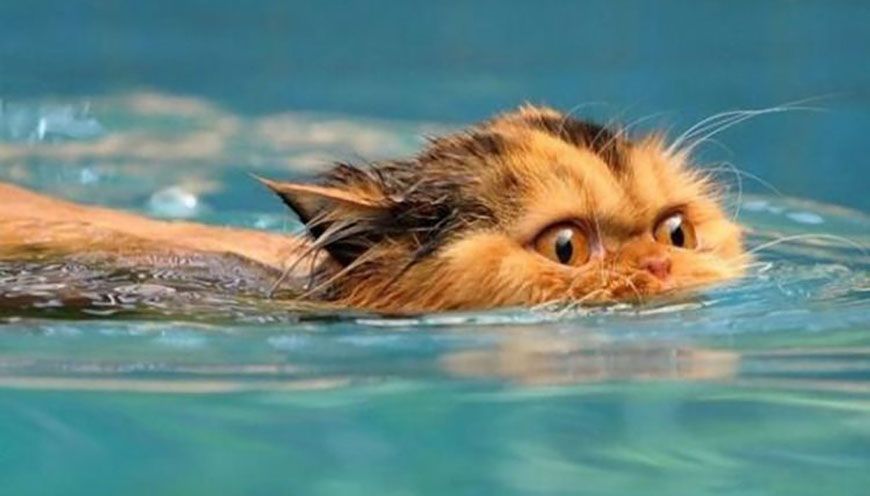
In addition to their remarkable fur, the LaPerm cats have a soft and gentle nature. They are extremely social and affectionate. LaPerms love their owners and get along well with other pets. They need human presence nearby, are happy to participate in household activities, adapt well to new environments, and don’t mind traveling. They are hypoallergenic, not picky, and easy to care for.
 Appearance
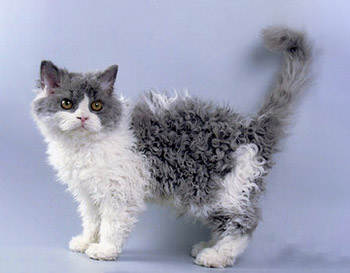
The LaPerm is a cat with curly fur and a small wedge-shaped head. They have a rounded face with a snub nose, an oval-shaped skull, and almond-shaped eyes. Their bodies are sturdy and lean, with long necks, muscular limbs, and long tails. The breed comes in both short-haired and semi-long-haired varieties. The LaPerm’s unique curly coat sets them apart from other cats. Their fur curls in spirals and covers them from ears to tail. As adults, both males and females sport an impressive ruff, highlighted by shorter hair on the legs and shoulders. The LaPerm breed can come in any color.
Nutrition
Feeding LaPerms is simple. While they are a rare and expensive breed, they are not picky eaters. A veterinarian or breeder can advise on the best food, but LaPerms generally eat the same food as other breeds. Of course, their diet should be high-quality, fresh, and balanced. However, they do not need any special delicacies. For kittens, mother’s milk is the best option, but if that’s not possible, special milk formulas can be used since cow’s milk is not ideal for kittens. As they grow, you can introduce solid food. Both dry and natural food are suitable, but mixing them is not recommended.
As complementary food, egg yolk, finely chopped cooked meat, and baby food meat puree are great options. Once the kitten grows stronger, you can transition to adult cat food. A proper diet ensures all the necessary nutrients for the LaPerm. However, certain foods like grapes, onions, garlic, and sugar can be harmful. Feeding LaPerms is straightforward, but it’s important to avoid overfeeding to prevent obesity.