Does Your Cat Need Sunscreen?

Cats love to bask in the sun! But be cautious—they too can get sunburned if they overdo it.
The thick, fluffy fur covering a cat might seem like ample protection against both the cold and the intense rays of the sun. Unfortunately, that’s not always the case—cats can suffer from too much sun exposure. Certain breeds are especially at risk. It’s essential for every cat owner to recognize the signs of sunburn to take swift action if needed. In this article, you’ll find everything you need to know about protecting your cat from the sun.
 Most Vulnerable Body Parts: Ears, Nose, and Belly
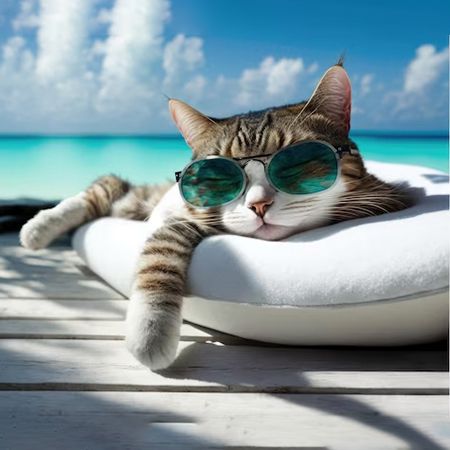
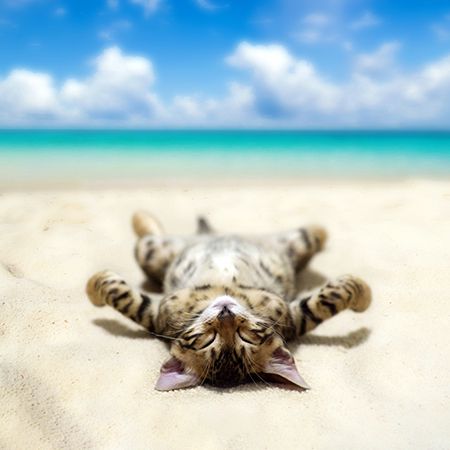
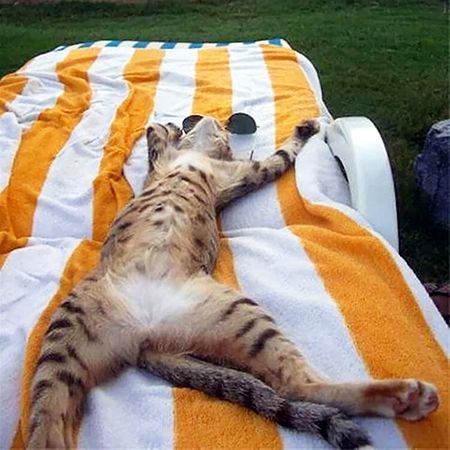
A “sunburn” refers to skin tissue damage caused by ultraviolet (UV) rays from the sun. Anyone can get sunburned if they stay too long in the sun without proper protection. You might not realize it, but this is true not only for humans—even cats can get sunburned. Obviously, the body parts most exposed to sunlight are at the greatest risk. For cats, this mainly includes their ears and nose. Some cats love to “sunbathe” on their backs. Since the fur on their belly is thinner than on the rest of their body, it doesn’t block as much sunlight, which can lead to belly burns.
Which Cat Breeds Are More Sensitive to the Sun?
Some cat breeds are especially prone to sunburn, and not just the so-called “hairless cats” like Sphynxes. Breeds with very short or fine coats, as well as clipped long-haired cats, are also at risk of sunburn.
Certain skin conditions or parasitic infestations can cause thinning of the fur, making a cat’s skin more susceptible to sunburn. If there are bald patches, these areas should be well protected from the sun. Scar tissue from an injury or surgery is also very sensitive. In some cases, excessive sun exposure can worsen symptoms of an existing condition. Cats with autoimmune skin conditions absolutely need sunscreen—in these cases, it’s best to consult a veterinarian.
 White Cats—Especially Delicate Animals
Just like people with very fair skin, white cats are at a much higher risk of sunburn than animals with other coat colors. Pure white cats, as well as those with white faces, ears, or bellies, should spend less time in the sun than others. Cats with fine, white fur are especially at risk for sunburn.
Signs of Sunburn
The symptoms of sunburn in cats are very similar to those seen in humans. A mild sunburn causes skin redness. However, in severe cases, blisters and skin peeling can occur. Sunburns cause itching and pain in cats.
If you notice your cat scratching more frequently after sun exposure, it might be sunburned. However, by scratching the damaged skin, your pet is making it easier for harmful microorganisms to enter. This can lead to bacterial infections or, in severe cases, ulcers.
As with people, the most serious consequence of sunburn for cats is skin cancer.
Prevention with Sunscreen
If your cat spends a lot of time on the balcony, make sure it always has the option to retreat to the shade. On a hot summer day, extend an awning, set up an umbrella in the yard, or place several large, non-toxic plants on the terrace.
Unfortunately, some cats love the sun so much that they stay in its rays for hours. In this case, you can apply sunscreen, especially on exposed areas such as the nose bridge and ears. Hairless cats should be fully covered in sunscreen when they are in the sun.
Use only waterproof, unscented sunscreen with a sun protection factor (SPF) of at least 30. Children’s sunscreen is ideal because it usually has a high sun protection factor and does not contain fragrances, dyes, or preservatives.
 What to Do If Your Cat Gets Sunburned?
You’ve taken all necessary precautions, but your cat still got sunburned from staying in the sun too long? Here’s how you can help. First, find a cool place where the cat can recover and bring down its body temperature. Immediately offer your pet fresh, clean water to help it cool down from the inside.
There are many home remedies online, such as yogurt wraps or applying very greasy cream to the burned areas. It’s best to ignore these tips; “home remedies” can make the situation worse.
If your cat has a severe sunburn, you should definitely consult a veterinarian. Only a vet can prescribe the most appropriate ointments and other medications. If your cat has a “burned” face, it may be a good idea to put on a special collar, called an “Elizabethan collar,” to prevent it from scratching the burned skin and risking infection.