Valerian for Cats: What Is It?

 Valerian for Cats: What Is It?
Is your cat feeling anxious about changes in its surroundings? Struggling to adapt to a new environment? Or perhaps it needs a moment of blissful relaxation? Valerian could be the answer. This remarkable plant not only calms feline nerves but also induces a euphoric purring state.
What Is Valerian?
Valerian, also known as Valeriana officinalis, is a well-known medicinal plant widely used by humans to treat neuroses, nervous tension, insomnia, and hyperactivity. The medicinal properties come from its roots, which contain numerous active compounds (including valepotriates, alkaloids, valerianic acid, valeranone, and flavonoids) that influence the nervous system. It has sedative and sleep-inducing effects.
Valerian as a Feline Aphrodisiac
Valerian is a favorite among cats and acts as a sort of feline aphrodisiac. Its sweet, honey-like aroma is highly appealing to them. Beyond attracting cats, valerian can induce a state of pleasant excitement, similar to the effects of catnip. Under its influence, cats might roll on the floor, run, jump, meow, purr, or drool. This euphoric state typically lasts around 10 minutes. Afterward, cats usually return to normal and may lose interest in the plant for some time.
Not all cats respond this way to valerian. About 50% exhibit these behaviors, and it can attract cats that are otherwise indifferent to catnip. The active compound, actinidine, is likely responsible for valerian’s effects on cats. This substance mimics the action of pheromones, stimulating olfactory receptors and altering brain activity associated with emotions. However, valerian does not cause permanent behavioral changes—it works only through temporary receptor activation, making it safe to use.
 Calming Effects of Valerian for Cats
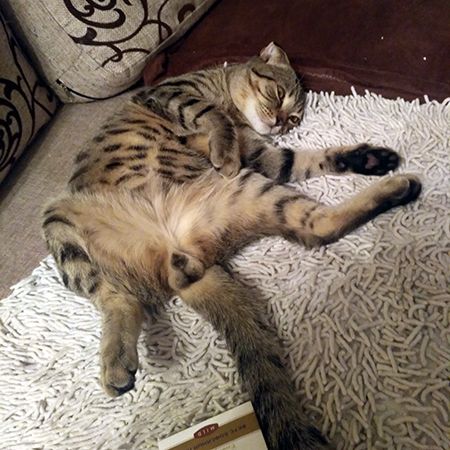
Valerian can also serve as a mild calming and relaxing agent. Its compounds increase the concentration of GABA, a neurotransmitter responsible for reducing nervous excitability and suppressing reactions to stimuli. Valerian may help cats experiencing anxiety, fear, overexcitement, or sleep problems.
It is particularly recommended for:
- Environmental changes (moving, rearranging furniture, traveling, staying in hotels, separation from guardians, restricted outdoor access).
- Stressful situations (introducing a new pet, the arrival of a baby, fireworks, medical treatments, or recovery from an accident or illness).
- Behavioral issues caused by hyperactivity or anxiety.
How to Use Valerian for Cats
Valerian is available in various forms, including sprays, adaptive collars, relaxing treats, and dietary supplements.
- Oral Medications: These provide calming effects only and can be used for therapeutic purposes (for cats dealing with nervous tension) or preventatively (to ease adaptation to changes). Avoid human valerian products, as they often contain alcohol and unsuitable concentrations for pets.
- Sprays: These can calm feline nerves and encourage exploration of new objects or environments. They act as attractants, drawing a cat’s attention. Use sprays on scratching posts, furniture, renovated rooms, cars, or carriers before a vet visit.
- Toys and Sachets: Toys infused with dried valerian can rejuvenate a cat’s interest in play. Sachets of valerian can be placed in hidden spots to keep your pet active. If valerian evokes positive emotions, it can be used to enrich your cat’s environment, especially when it seems bored or down.
Valerian in the Garden
Valerian grows well in home gardens. Plant it alongside catnip in a designated area for your cat to encourage it to stay in a safe spot. This makes outdoor time more enjoyable for your furry friend.
Valerian offers a natural and enjoyable way to address your cat’s emotional needs while enriching its daily life.