Dewclaw in Dogs
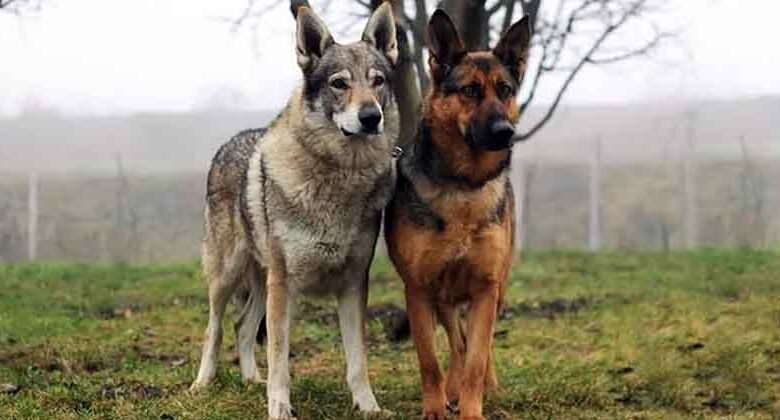
Every dog has claws, but not every dog has a dewclaw. If you closely examine a dog’s hind legs, some may have what looks like an extra claw. What is it, where does it come from, and could it cause problems or diseases for your pet?
 What is a Dewclaw?
Also known as a “spur,” the dewclaw is a remnant from dogs’ ancestors. Millions of years ago, dewclaws were useful for dogs. They carried their body weight on their hind toes and metacarpal bones, which was connected to their method of movement. In those days, dogs’ ancestors primarily moved by jumping or climbing, rather than running, which was less common due to the terrain and obstacles they encountered.
Over time, as dogs adapted to running more, their way of moving changed, and the dewclaw lost its function. With this change, the structure of the dog’s paw evolved as well, and dogs began moving primarily on their toes. As a result, the dewclaw shifted upward.
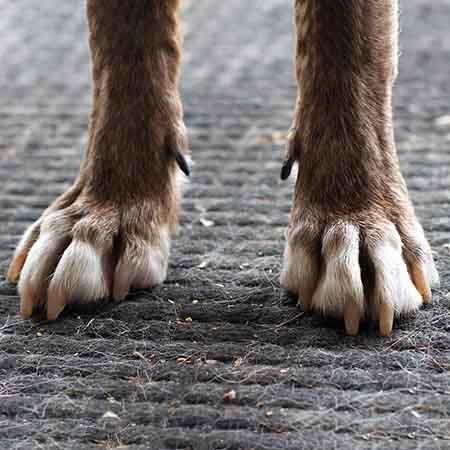
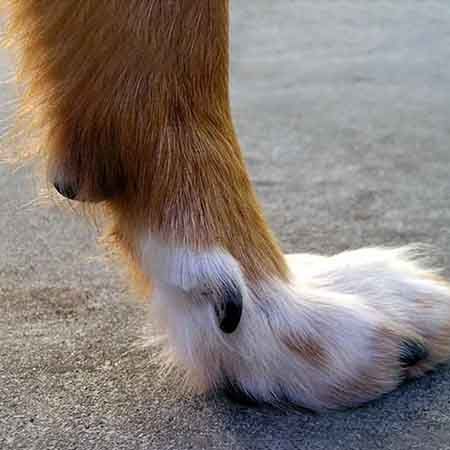
Today, the dewclaw no longer serves a purpose in modern dogs, but it hasn’t completely disappeared through evolution. Typically, dogs have five toes on their front paws and four on their hind paws. Occasionally, however, an additional toe, called the dewclaw, develops on the hind leg. This can take various forms: it may be connected to the rest of the paw by an extra bone or only by skin. Sometimes, a double dewclaw may even form.
These “extra” claws are often considered undesirable in show dogs and are seen as physical defects. However, some breeds, like the Beauceron or the Briard, consider dewclaws an advantage, with double dewclaws being preferred.
Dewclaws: Should You Be Concerned?
Dewclaws, in themselves, aren’t usually a cause for concern, especially if your dog isn’t a show dog. However, in the world of dog shows, dewclaws are often seen as a defect. Nevertheless, they usually don’t interfere with a dog’s normal life or movement.
The impact of dewclaws largely depends on the structure of the claw itself and the dog’s activity level. Dewclaws can sometimes pose risks to both the dog and its owner. If a dewclaw gets torn, it can cause significant pain and discomfort for the dog. Additionally, the area is prone to infection, so veterinary intervention may be required. If a dewclaw injury happens frequently, or if the dog suffers due to it, a vet might recommend amputating the claw.
Potential Problems with Dewclaws
Another issue that can arise with dewclaws is ingrowth. An ingrown claw can cause severe pain for the dog, as well as infection and swelling, making it difficult to care for the injured area. In such cases, a trip to the vet is essential.
 Should Dewclaws Be Removed?
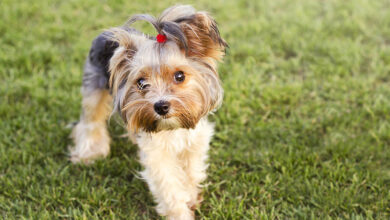
Dewclaws don’t have a practical function anymore, but does that mean they should be removed? Not necessarily. For some purebred dogs, dewclaws are a breed standard, and their presence can even increase the dog’s value. In other breeds, dewclaws are seen as a physical defect, so they are often removed, as is the case with Yorkshire Terriers.
In cases where removal is necessary, it is typically done when puppies are just a few days old, as the procedure is less invasive and can often be done under local anesthesia, avoiding the need for general anesthesia. Puppies also heal faster from this minor surgery.
However, if dewclaws are not removed during puppyhood, and they don’t cause the dog any pain or problems, there’s no need to remove them later. They can remain without causing any harm. If dewclaws do pose an issue, consulting a vet is essential. The vet can determine the best course of action, whether to remove the claw or leave it alone.
Caring for Dewclaws
If you decide to keep your dog’s dewclaws, or if they are a breed feature, proper care is necessary. Dewclaws don’t make contact with the ground, so they don’t wear down naturally. If left to grow, they can eventually dig into the dog’s skin, causing pain.
Dewclaws should be trimmed regularly to maintain the correct length. This is important because overly long dewclaws can easily catch on objects, which could lead to painful tears or injuries.
If the dewclaw starts interfering with your dog’s ability to walk, grows into the paw, or causes any pain, it’s vital to visit a vet immediately to address the issue and remove the problematic claw.