My dog ate soap: what should I do?
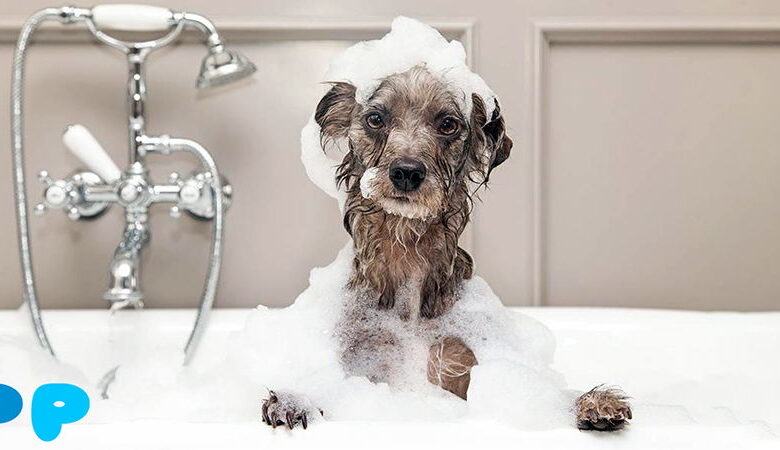
 It’s not surprising for a dog to eat soap, especially if it’s a puppy. However, this behavior should not be seen as normal, as it requires immediate attention. If your dog has ingested soap, it’s important to stay calm. You should keep a clear mind to respond promptly and provide initial care. Many people wonder how such an accident could happen, without realizing that dogs, especially puppies, are naturally curious and tend to put anything that catches their attention into their mouths.
The first piece of advice is to take steps at home to prevent this from happening again. If you suspect your dog has swallowed soap, contact your veterinarian. Consider any advice you’re given, as it will help the vet assess and care for your pet.
What Kind of Soap Is Harmful to Dogs?
The answer is simple: dogs should not consume soap. However, it’s essential to determine what type of soap was ingested, as this will be one of the first questions the vet will ask. Even if it seems trivial, identifying whether it was liquid or bar soap—and whether it was for human or canine use—is essential.
With this information, it will be easier to identify any chemical ingredients that could cause harm. For example, if the dog ate soap for dogs specifically designed to kill fleas, it likely contains different chemicals than typical bath soap. In any case, soap ingestion can lead to irritation or damage to the stomach lining.
Did your dog eat glycerin-based soap? Minor complications or even none at all are likely, as glycerin soap generally lacks toxic properties if accidentally ingested. However, a vet should still be consulted for a professional evaluation.
 How Much Soap Is Safe for Dogs?
Even small amounts of soap can pose risks to a dog’s health, especially if it contains toxic components, such as concentrated laundry detergents. Governmental data indicates these products often include toxic substances such as phosphates, non-ionic surfactants, perborate, and carbonate. If your dog ingested even a small amount of such soap, contact a vet immediately. They will assess the severity and determine necessary treatment. In severe cases, the dog may need to be hospitalized for procedures such as gastric lavage or induced vomiting.
Symptoms That Indicate a Dog Ate Soap
When a dog ingests soap, it’s considered intoxication or poisoning, underscoring the importance of prompt veterinary care. Symptoms to look out for include:
- Vomiting or diarrhea, potentially with blood depending on severity
- Excessive salivation
- Increased thirst
- Abdominal pain, often accompanied by whining
- Coughing, sneezing, or gagging
- Tremors and muscle spasms
- Weakness and lethargy
- Lack of appetite
- Seizures
What to Do If Your Dog Ate Soap
If you’re able to consult your vet directly, call them to explain the situation. If not, head to an emergency veterinary clinic. Though you should not administer medications or substances without a vet’s approval, the following steps may help:
- Induce Vomiting: If your dog consumed a large amount of soap, inducing vomiting may help prevent further absorption of toxic components. The larger the amount, the more likely it is to cause harm. However, avoid this step if your dog is unsteady or unconscious.
- Hydrate: Poisoning often leads to dehydration, commonly due to vomiting and diarrhea. Hydrating your dog during veterinary care is essential.
- Provide Soap Information: For an accurate diagnosis, take a picture or bring the soap packaging with you to help the vet identify it.
Avoid self-prescribing medications or following internet advice, as non-professional treatments can worsen your dog’s condition. Only use these temporary measures if your dog is alert. If they’re very ill, your primary responsibility is to get them to a veterinarian as soon as possible.
 Never Skip Veterinary Assistance
When a dog ingests soap, immediate veterinary care is crucial. Don’t wait for the dog’s body to eliminate the product or downplay the situation, as it can endanger their life. The longer you wait, the harder it will be to restore your dog’s health.
Lastly, always follow the vet’s treatment plan and keep harmful products out of reach. Think of a dog as similar to a curious infant; they need close supervision to avoid risks. If you have further questions about treatment, symptoms, or additional concerns, speak with your vet to stay proactive about your dog’s health. Preparation is the best tool for a swift response.