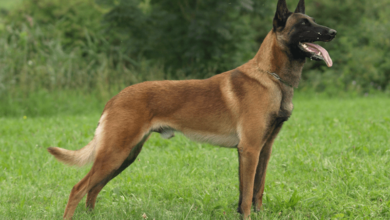
Rhodesian Ridgeback

Although the Rhodesian Ridgeback is a popular breed worldwide today, it was virtually unknown for a long time. The history of these strong, loyal, and extremely friendly dogs spans over 1,500 years. They are associated with the Khoikhoi tribes—nomadic shepherds and hunters who migrated to the Cape of Good Hope from North Africa. It is known that they were accompanied by strong, well-built dogs, which were the prototype of the Rhodesian Ridgeback. The nature and silhouette of these animals meant they played the role of companions and protectors.
 Rhodesian Ridgeback — Appearance and Breed Features
Despite having a history of over a thousand years and great popularity across continents, Rhodesian Ridgebacks are characterized by a unified breed type. This undeniable achievement is attributed to breeders who have passed down the secrets of this noble breed from generation to generation. As a result, they have developed strong, muscular dogs with a well-defined physique. Despite their considerable strength, Ridgebacks do not appear heavy. The combination of impressive physical characteristics and unusual agility gives these dogs an elegance rivaling the most noble breeds.
Rhodesian Ridgebacks have a harmonious and proportional silhouette. They have a large, well-set head, a broad chest, and strong, wide limbs. The coat color of these dogs can vary. Shades of light wheat to red are permitted. White markings are allowed only on the toes and chest. The muzzle and ears can be darker, but this color should not appear on other parts of the body according to the breed standard.
The most distinctive feature of this breed’s coat is the famous ridge on its back, a strip of hair growing in the opposite direction from the rest. The absence of a ridge disqualifies a Rhodesian from participating in dog shows.
 Character and Temperament of the Ridgeback
In addition to their attractive appearance and undeniable love for physical activity, Rhodesian Ridgebacks also stand out for their temperament.
Key characteristics that set Ridgebacks apart from other dog breeds are:
- Intelligence: These dogs are extremely careful when making decisions. They have a balanced temperament and a calm nature, which makes them comfortable around people and other animals. They are self-assured and occasionally take the initiative. They require consistent but not overly strict training.
- Adaptability: Rhodesians adapt easily to any weather and living conditions. However, they thrive outdoors and are not well-suited to city living.
- Passion for physical activity: These dogs love sports and outdoor activities. Daily exercise is essential for their well-being. Their athletic build reflects their role as both guard dogs and hunters.
- Courage: Rhodesian Ridgebacks are brave but not reckless. They form strong bonds with their owners and are ready to protect them under any circumstances. Proper training from an early age is crucial to shaping their behavior. It’s important to be consistent without using force or humiliation, as this can damage the bond between dog and owner.
- Distrust of strangers: This trait likely stems from their history as guard dogs for the Khoikhoi people. Today, it makes them excellent watchdogs. Their physique and temperament make them perfect for this role. Interestingly, Rhodesian Ridgebacks were once used by African hunters to hunt lions. Packs of dogs would corner the lion without letting it escape until the hunter arrived to finish the job.
 Interestingly, these dogs rarely attacked lions physically. Reckless moves could cost them their lives, and hunters only required them for tracking and cornering the prey.
Over time, African dogs gained popularity worldwide. The breed was refined by colonizers, including the Dutch and Portuguese, who crossed them with hunting dogs from their own countries. This resulted in the final appearance and character of the Ridgeback. Proud and intelligent, knowing their strength and wisdom, these dogs have become highly admired by breeders and dog lovers globally. After World War II, the breed saw a significant rise in popularity in Europe, particularly in the UK, Scandinavia, and Western Europe. Their calm and balanced temperament, which has been valued for centuries, continues to make them cherished companions and loyal friends of humans.