Russian hunting spaniel
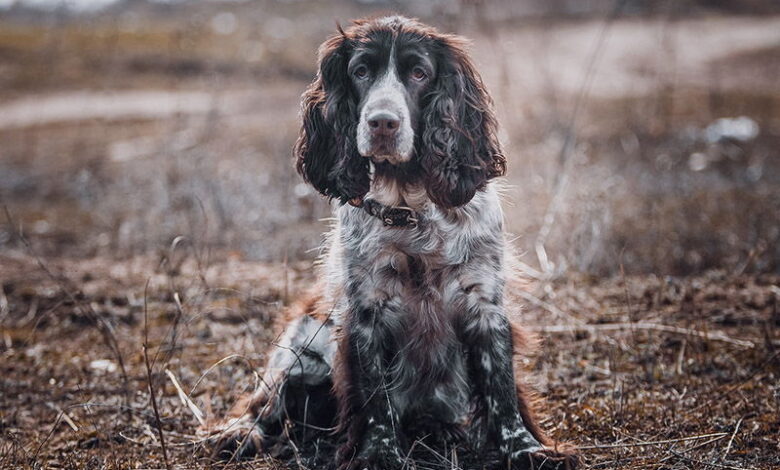
Spaniels are adorable dogs with irresistibly beautiful ears. They are excellent hunters and great companions for the whole family, which is why this breed deserves special attention.
History of the Russian Hunting Spaniel
It is believed that spaniels originated in Spain, but the breed was developed primarily by the English. In Russia, these dogs began to appear in the 18th century, gifted to noble people and rulers. In other countries, they were used to hunt waterfowl. After the war, dogs of various breeds were imported into the USSR from many countries. In 1951, a specific breed standard was established, which breeders followed. However, some changes appeared 15 years later.
Characteristics of the Russian Hunting Spaniel
- Weight: 10 to 18 kg
- Height: 40 to 45 cm
- Body parts are proportionate to each other
- Nose: black, broad, slightly flattened
- Ears: elongated, hanging down
- Strong limbs with good joints
- Coat: long, wavy, and silky
- Colors: black, black and white, piebald, chocolate, red, and tricolor
- Lifespan: on average, 12 to 17 years
Temperament
The character of this breed evolves over time. In the first six months, a spaniel’s temperament doesn’t differ much from other breeds—they are playful, cheerful, and energetic. As they grow, their natural traits emerge. Russian hunting spaniels are generally fearless and brave, instinctively staying close to their owner—ideal traits for a hunter. However, this breed is also suitable for apartment living. Proper training can make a spaniel the perfect house dog.
Their gentle nature makes them great family pets, tolerating children’s antics, playing, and looking after them. This breed is also a good fit for elderly people. Spaniels are well-suited for many people.
Care
Caring for and keeping a spaniel is very simple. The most important aspect of any pet’s life is regular walks, which help the dog stay fit, active, and energetic. Playing actively with your pet is a must. You should also take care of their ears and teeth.
Feeding
You should feed your dog based on why you got them. If it’s for hunting or work, it’s best to start with dry food. Consult with breeders for proper feeding advice. Adult dogs eat twice a day, while puppies eat 5-6 times a day, avoiding overfeeding.
Pros of the Breed
- Affectionate towards their owner
- Strong health
- Not picky about food
- Suitable for many people
- Intelligent and brave
- Affordable to purchase
Cons of Spaniels
Sometimes spaniels can be overly active, so those seeking a calm dog may not want this breed.
They require regular walks and are not the type to enjoy sitting at home—they crave new experiences and adventures. To stay in shape, they need long physical activities.
They have a strong appetite, which can lead to obesity.
Their coat requires constant grooming.
A spaniel will make a great friend in any family, especially those with children. They are well-suited for hunters and elderly people. The breed’s high versatility makes it an excellent choice for any owner.