Signs of Pregnancy in Dogs

How do you know if a dog is pregnant?
Swollen Nipples. Changes in the nipples and mammary glands are often the first and last signs of pregnancy in a dog. It is quite common to see moderate development of the mammary glands shortly after mating, especially if it’s her first pregnancy. This can also occur in cases of false pregnancy, so it is not a reliable indicator.
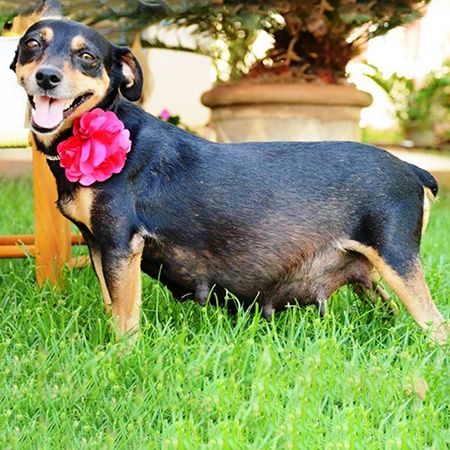 As the pregnancy progresses, the nipples will start to swell due to hormonal changes that prepare the body for lactation and feeding the puppies. The tissues of the mammary glands and nipples may enlarge significantly by the end of pregnancy, and they should start producing milk about a week before the puppies are born.
Extremely enlarged, painful, and red nipples may indicate mastitis, a painful infection. Mastitis is more likely to occur after the dog gives birth than during pregnancy, but it can still happen. If you know the dog is not pregnant, it’s best to consult a vet, as this could indicate mammary gland cancer.
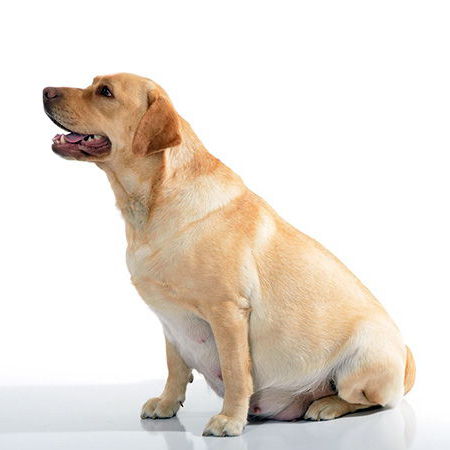
Swollen Belly. An obvious change that can be noticed in a pregnant dog is a swollen belly, especially in lean dogs, although this change is often not visible until the last few weeks. If the dog is at a healthy weight, she may lose her slim waist when viewed from above.
A swollen belly is not a reliable indicator of pregnancy, and many other conditions can cause this. If you’re unsure whether the dog is pregnant, consult a vet, especially if the bloating appeared suddenly.
Another potential cause of a swollen belly in a dog after giving birth is a uterine infection called pyometra. The uterus fills with pus, causing the belly to swell. Dogs with pyometra usually show other signs of illness, such as increased thirst, lethargy, and loss of appetite. This life-threatening condition requires treatment, typically through spaying. Discharge from the vulva (open pyometra) may indicate the condition, but in closed pyometra, the infection remains inside, posing a high risk of uterine rupture and peritonitis.
Weight Gain. A dog should gradually gain weight throughout her pregnancy. If she seems not to be gaining weight, she may need more food, ensure she is eating high-quality food formulated for puppies and pregnant or nursing dogs, and consult a vet. Dogs that do not gain weight during pregnancy may not be receiving enough nutrition.
Low Energy Levels. It is very common for dogs to have lower energy levels during pregnancy. Overall, she may seem lethargic and tire more quickly. Both are common signs of pregnancy.
Try to keep the dog active throughout the pregnancy. While the intensity of physical activity should likely decrease, maintaining some level of exercise will help keep her healthy, making labor and the postpartum period easier.
Loss of Appetite. In the early stages of pregnancy, many dogs experience a loss of appetite. This can be due to nausea, hormones, low energy, or a general feeling of discomfort. If a dog stops eating for more than a day or two, you should consult a vet, whether she’s pregnant or not.
Even if the dog’s appetite decreases early in pregnancy, she should always be offered plenty of high-calorie food. If her appetite is still poor after a week, consult a vet to rule out other issues. Loss of appetite should not be solely relied upon to determine pregnancy, as it may be related to other conditions, such as pyometra.
Irritability. Everyone gets cranky sometimes, even dogs, but pregnant ones may seem more irritable. This can happen even to the sweetest dogs and is related to hormonal changes. Hormones may bring out a dog’s protective nature, and she may feel threatened or anxious about things that wouldn’t normally bother her, like other pets or children. She may also be irritable simply because she’s feeling unwell.
While irritability and moodiness can be normal, aggression, especially in a dog who has not shown it before, warrants a visit to the vet.
Nausea and Vomiting. Hormone-related nausea and vomiting can also occur in dogs. While this is less common than in humans, some dogs may experience unusual nausea and vomiting, particularly in the early days of pregnancy.
If a dog is unable to keep food down or shows constant signs of nausea such as drooling, loss of appetite, or abdominal discomfort, consult a vet. She may need medication to manage the nausea, but it’s also important to rule out other health issues.
 Increased Affection. While some dogs become irritable during pregnancy, others become very affectionate. In some cases, a dog may show irritability toward other animals or noisy children while becoming more affectionate toward her owner. This may be due to hormones and maternal instincts, as well as a desire to comfort the person. If your dog suddenly follows you everywhere, it could be related to her pregnancy.
Nesting Behavior. Dogs have an instinctive drive to create a safe space for their puppies, so they may start looking for a place to nest. This could include behaviors like digging or moving blankets and bedding to different locations, or appearing restless.
If the dog is pregnant, provide her with a safe and comfortable whelping box where she can give birth and keep her puppies safe. The box should be comfortable, secure, and designed to prevent the risk of suffocation for the puppies.