Predators
Keeping a Raccoon in an Apartment
Key Points to Consider When Keeping a Raccoon in an Apartment
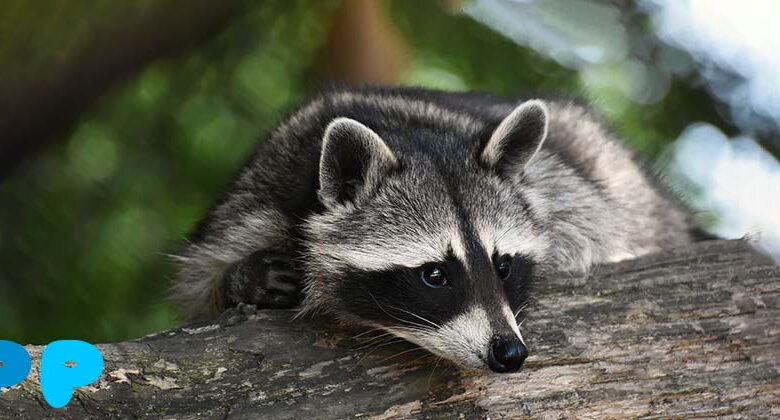
The raccoon is an adorable animal whose popularity as a pet is gradually increasing. Here are some essential tips for keeping a raccoon in an apartment:
- Choosing Your Pet: Many people sell raccoons, but in reality, there are only a few reputable breeders. Young raccoons are generally more affectionate if their parents are fully domesticated. When buying from a private seller, there’s a chance of ending up with an adult or wild raccoon.
- The First Three Months: During the first three months, the owner essentially becomes a parent to the raccoon. A young raccoon wakes up every three hours and needs to be bottle-fed. After feeding, gently massage its belly with a warm cloth to help it go to the bathroom. It’s also essential to give your pet constant attention and be nearby. Raccoons cannot be fully trained, so handling them should rely on cleverness and rewards.
- Personal Space in the Home: A raccoon needs its own space at home since it is active for about twelve hours a day. A makeshift enclosure should include access to a litter box and a water dish. There should be ample room for play and at least two “burrows” where the raccoon can sleep. All potentially dangerous items for a curious raccoon should be locked away in drawers or sturdy containers.
- Feeding: A raccoon can be fed either natural or dry food, depending on the owner’s preference. Each feeding method has pros and cons. Natural food is closer to a raccoon’s diet in the wild, while dry food