Mini Lop – Key Information
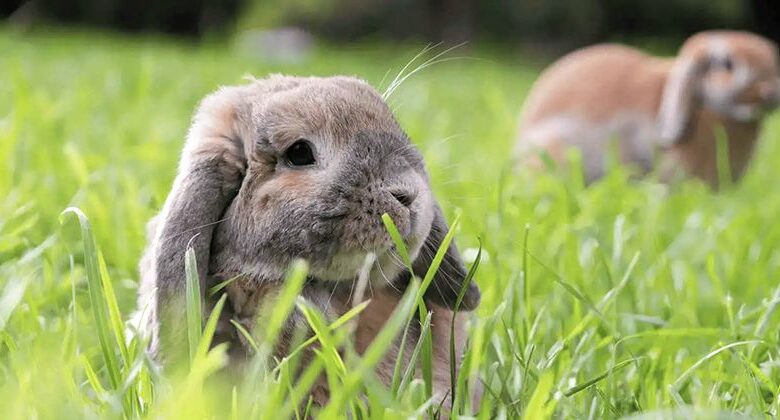
Charming Mini Lops have fans all over the world. Their small size, soft fur, and cute expression make them a frequent member of families living in urban areas.
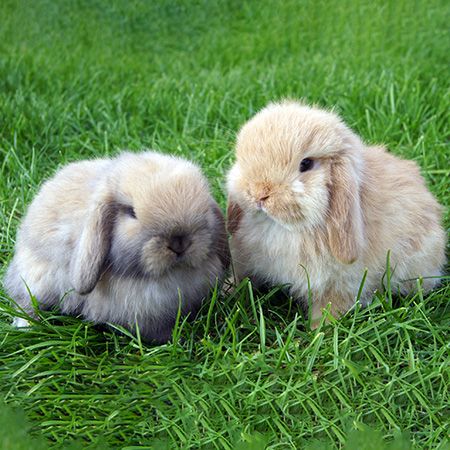 The history of this breed is colorful and rich, beginning around 1972. At that time, these rabbits were called “Klein Widder,” which in German means “little ram,” and they were a cross between the German Giant Lop breed and the Chinchilla rabbit breed. They looked like the mini-lops we are familiar with today, but they were much larger and heavier— their body weight was around 4 kg. The breed’s promoter, Bob Hirschbach, brought a pair of these rabbits to the United States, where, under the guidance of the American Rabbit Breeders Association, he began breeding them for smaller size and weight. By 1977, the desired miniature size was achieved, and the breed’s name was changed from “Klein Widder” to “Mini Lop.” Herb Dyke, the person responsible for advancing and improving the miniature lop breed, led the breed’s registration and the development of its standard three years later.
Appearance
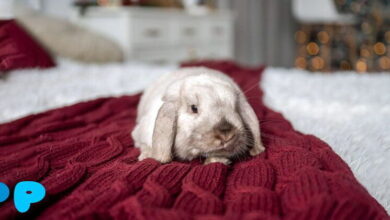
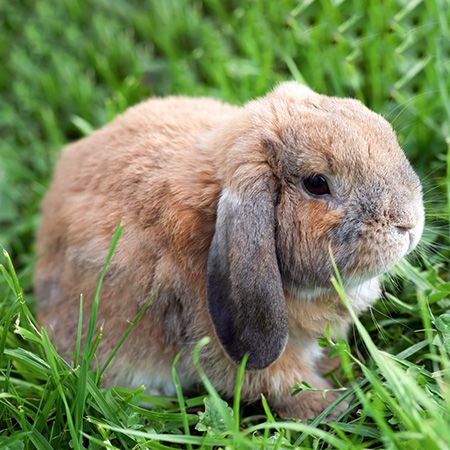
The Mini Lop is the smallest among the lop-eared breeds. Its body weight should be between 1.5 and 2 kg. The Mini Lop is a medium-sized rabbit with a compact body. Its head is strongly shaped but proportionate to the body and placed on a short neck. The cheeks of Mini Lops should not be prominent. They have a wide chest. The chest is round and strong. This breed has relatively short legs, with the front legs thicker than the rear ones. The rear end of the ram is rounded, and the tail is thickly furred and straight. The breed’s distinctive feature is its ears—long, hanging, and fairly thin. The inside of the ear should not be visible from either side.
Care of Mini Lops
Mini Lops are not demanding when it comes to grooming. They are excellent at cleaning themselves and keeping their fur in good condition. They do not need to be bathed, and bathing can actually harm them by lowering their immunity and potentially causing a cold, with the stress from the procedure affecting their sensitive hearts.
It’s recommended to brush them at least once a week. This will remove dead hair, reduce shedding, and keep their fur shiny and healthy. It’s important to note that Mini Lops shed their fur. During shedding periods, brushing should be done more frequently.
Nails should be trimmed regularly, ideally once a month. Like other animals, their nails have a core and blood vessels. When trimming, be sure to avoid cutting into the sensitive area to prevent bleeding.
Health
Mini Lops do not respond well to drafts. They quickly catch colds and become weak. Additionally, they are prone to obesity, so it is crucial to feed them properly and in portions to prevent overeating. Mini Lops will eat as much as is given to them, even if it’s a portion meant for two days.
They are prone to diseases such as myxomatosis, calicivirus, pasteurellosis, and coccidiosis. They should be vaccinated according to a veterinarian’s recommendations and regularly dewormed.
Their long, floppy ears can become a source of problems. They tend to collect dirt and dust, and it’s not always easy to clean every part of the ear. Excessive scratching of the ears may indicate mange or ear infections, which are fairly common in Mini Lops.
The average lifespan is around 10 years. With proper care and good nutrition, they maintain good health for a long time.
 Housing and Feeding Mini Lops
A safe space is necessary for them to rest comfortably. Their home should be a galvanized cage of appropriate size. For one rabbit of standard size, a cage measuring 100x50x30 cm will suffice. The more space the better for the rabbit, as a larger cage will help it feel more comfortable. When choosing a cage, remember that the rabbit should be able to stretch out, meaning the length should at least match the length of the rabbit when lying down. The cage should be tall enough for the rabbit to stand on its hind legs. The cage should not be placed in a drafty area or in direct sunlight.
Lop Eared Rabbit Personality
Mini Lop rabbits are very social animals. They love interacting with people and other animals. They enjoy learning and, with regular, consistent training, they can respond to their name and perform simple commands. Training should consist of short sessions where good behavior is rewarded. Rabbits should not be scolded or shouted at.