Rabbit Pregnancy: Process Details and Essential Care
People often keep pet rabbits as domestic animals, especially decorative ones. At some point, rabbit owners may have questions about pregnancy in their pet rabbits. If the female is carrying young, it’s crucial to provide her with special care and the right environment to ensure a smooth, complication-free pregnancy.
 How to Tell if Your Rabbit is Pregnant
Initial signs of pregnancy typically appear around 15 days after mating; it’s difficult to determine before that time. The most reliable way to confirm pregnancy is by feeling the abdomen, where a pregnant rabbit will have a chain of small lumps. To perform this check, hold the rabbit by its ears and neck scruff, placing your other hand between its legs. Your thumb should be on the right side, with the other fingers on the left side. This hand position will help you feel the presence of the fetus.
You can also tell that new bunnies are on the way if the rabbit shows the following behaviors:
- Increased aggression,
- Noticeable rounding, visible about a week in,
- Nesting activity (providing hay in the cage can help with this),
- Changes in eating habits, such as rejecting usual foods and seeking new ones.
In some cases, pregnancy signs in rabbits are absent, and palpation or a visit to a specialist is needed. Occasionally, symptoms may indicate pregnancy without any actual birth. This condition, called “false pregnancy,” affects all mature animals. It cannot be cured, so the options are euthanasia or spaying.
How Long Does Rabbit Pregnancy Last?
Rabbit pregnancy usually lasts between 28 and 35 days, though this can vary with different factors. Larger breeds may carry slightly longer than smaller ones, but exact gestation time should be determined individually.
How to Prepare the Housing
Create a comfortable shelter with good ventilation but protection from drafts. Avoid high temperatures and bright lighting. Enhanced hygiene is essential, with more frequent and thorough cleaning. Add a nesting box to the cage about five days before the expected birth. Disinfect the cage in advance using a safe disinfectant or hot water with potassium permanganate. A cardboard or wooden box works well for the nest, with about 10 cm of space beyond the length of the female lying down.
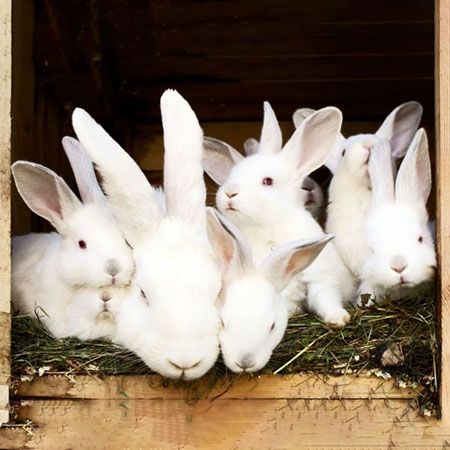 What to Feed a Pregnant Rabbit
The most important consideration is water—keeping it fresh and clean. Without enough water, the mother may eat her young after birth. Adjust the diet to include essential vitamins and minerals, feeding her:
- Fresh vegetables: cabbage, cucumbers, and beets,
- Mixed hay and grains,
- Vitamin supplements, especially vitamins C, D, and fish oil.
Reduce food portions a couple of days before birthing but increase water intake. After the babies arrive, gradually return to the usual diet within 14 to 21 days.
Proper Care for a Pregnant Rabbit
Keep the pregnant rabbit in calm and stress-free conditions, avoiding all stressful interactions. Transfer her to a separate cage to prevent contact with other animals. Maintain a quiet, dimly lit area free from strong smells. Proper care for a pregnant rabbit ensures healthy offspring and a successful birthing process.