What Snakes Can Be Kept at Home?
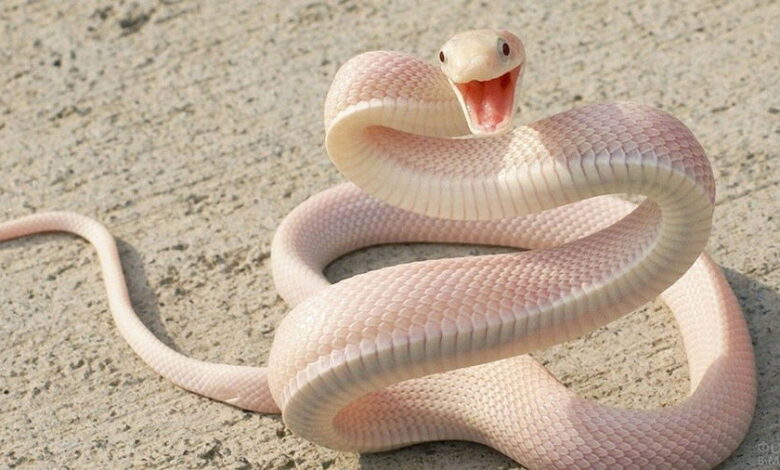
Today, we will discuss which snakes are considered the most harmless and can be kept at home without violating the law. To do this, it is essential to create conditions as close as possible to their natural habitat in the wild.
Snake Housing Conditions
Reptiles are kept in a specially equipped terrarium with divided temperature zones. Most often, a special lamp is installed where the reptile can warm up. The optimal temperature for keeping snakes ranges from +24°C to +28°C. In addition, the terrarium must be well-ventilated to ensure proper oxygen circulation and have a suitable substrate (sand, small rocks). For aquatic snakes, such as the anaconda, a water feature is essential. If considering this species for home keeping, it’s important to remember that these reptiles grow large, are aggressive, and can cause harm. An anaconda cannot be housed in a small terrarium, and in such conditions, the reptile may die. The length of the snake’s habitat should be 1.5 times the size of the reptile.
List of snakes permitted for home keeping and their sizes:
- Rainbow boa – up to two meters;
- Striped racer – up to two meters;
- Milk snake – up to one meter;
- Reticulated python – up to seven meters;
- American garter snake – up to 1.5 meters;
- Corn snake – up to 1.5 meters;
- Royal python – up to 1.5 meters;
- River snake – up to 60 cm.
According to experts in this field, the most suitable snake from this list is the corn snake. The royal python and the American garter snake are also considered non-aggressive and easy to care for.
Care and Feeding of Snakes at Home
Caring for a reptile includes the following actions:
- Daily water changes in the drinking bowl, as snakes require constant access to clean water, more so than other reptiles;
- Cleaning up waste and undigested food after each feeding;
- Regular monitoring of air humidity, with an optimal level of at least 70%;
- Periodic disinfection of the terrarium and the reptile using a quartz lamp to prevent parasites.
When it comes to feeding, two key points must be considered:
- Snakes should never be overfed, as digestion can take up to seven days depending on their age. Typically, snakes should be fed once a week.
- The snake’s food must be live prey. For example, rodents or birds. Even in captivity, snakes should hunt their prey to maintain mobility.
Recommendations
To avoid bites and aggression, you should not approach the reptile during shedding, mating season, or while intoxicated. Handle snakes gently and calmly, supporting them without sudden movements.
In general, for those who decide to keep a snake at home, it is crucial to first study the specific care requirements for the chosen species and then equip the terrarium accordingly.