10 Amazing Facts About Goldfish You Didn’t Know
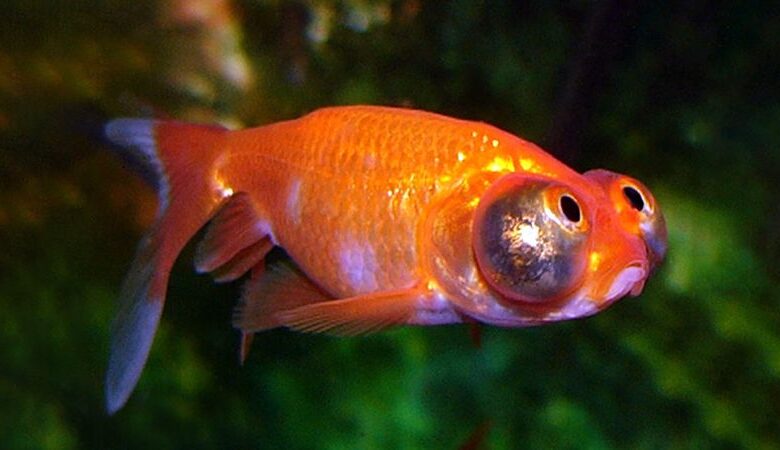
Goldfish, also known as the three-tailed or golden carp, is an aquatic creature from the carp family that has been kept in homes worldwide for centuries. From their coloration to the variety of carp available on the market, this species never ceases to amaze us.
Aside from their life in aquariums, these remarkable fish possess biological traits and life cycles that are worth exploring.
A Group with Controversial Taxonomy
For many years, debates surrounding the genetic status of this fish have been highly controversial. For instance, at one point, goldfish were considered a subspecies of carp or crucian carp.
However, genetic research has revealed that domestic specimens are descendants of carp from the same species found in southern China. This confirms that goldfish are a distinct species, both in their wild forms and the variations found in aquariums.
An Ancient Species
Various carp species have been cultivated in Asian countries for food since ancient times. The earliest records of pond fish with golden mutations date back to the Jin dynasty in China, between 266 and 420 AD. Over time, this fish became a symbol of royal power to such an extent that commoners were forbidden from owning them.
As recent studies show, the large number of eggs these fish produce and the ease of caring for them have allowed humans to select the most striking traits over the centuries. Today, this has resulted in numerous varieties of goldfish.
Infinite Sizes and Shapes
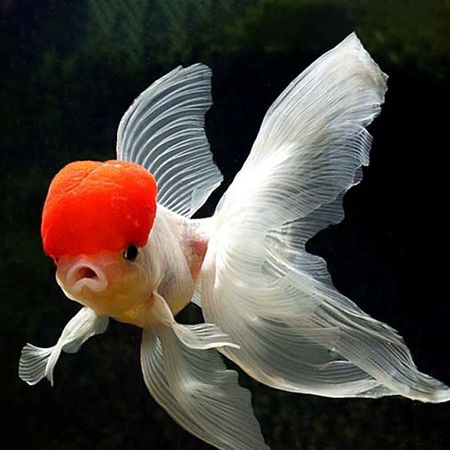
Another fascinating aspect of goldfish is the immense diversity of morphotypes with varying tails, eyes, fins, and head structures. Below are some of the most popular varieties:
- Comet: Resembling the common goldfish, but with longer fins (especially the tail) and a slightly elongated body. It’s one of the first varieties to appear on the market.
- Oranda: Characterized by a flattened body and an impressive head mass, which may appear like a “growth.”
- Ranchu: Similar to the Oranda but with more pronounced head wrinkles and no dorsal fin.
- Bubble Eye: This goldfish has distinctive “sacs” under its eyes, making it very sensitive and prone to eye injuries.
They Thrive in Calm Waters
Goldfish are naturally found in low-current, freshwater environments with relatively cool temperatures. Surprisingly, they also thrive in slightly murky and swampy waters, an environment that can be replicated perfectly in outdoor ponds.
These fish can tolerate water temperatures close to freezing but do not reproduce at temperatures above 30°C (86°F).
Their Longevity is Remarkable
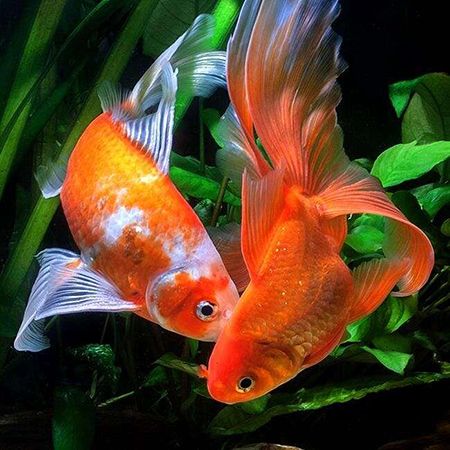
Reports suggest that goldfish can live up to 43 years. However, the established maximum lifespan for pond-dwelling individuals today is 25 years. Goldfish in aquariums typically live up to 10 years, but their survival rate in the wild is significantly lower.
They Are Social and Versatile
Goldfish are naturally social animals. In the wild, they live in groups, but in captivity, they can be kept individually without major issues. They even interact with their reflections when shown a mirror.
Diet-wise, goldfish are omnivores. They eat plants, mosquito larvae, small crustaceans, zooplankton, and detritus. In captivity, they are often fed specialized flakes but should also have their diet supplemented with frozen larvae or live fish food.
Smarter Than You Think
The phrase “having the memory of a goldfish” is a myth rooted in anthropocentric bias. Many aquatic animals display impressive cognitive abilities, and goldfish, in particular, exhibit associative learning and social behavior.
Goldfish have a memory span of at least three months. With positive reinforcement, they can be trained to respond to specific stimuli and even perform simple tricks. They are far more intelligent than people often assume.
 Goldfish Don’t Thrive in Small Bowls
The image of a goldfish in a bowl is iconic, but unfortunately, it represents animal neglect. Goldfish require far more than a liter of water, a plastic plant, and a few stones to thrive. In such environments, the fish suffer from a lack of oxygen and nitrate buildup.
Adult goldfish typically grow up to 15 centimeters (6 inches). They produce significant waste and need efficient filtration systems to keep the water clean. To house three goldfish together, a minimum tank size of 120 liters (32 gallons) is recommended. Each goldfish needs at least 40 liters (10 gallons) of water to stay healthy.
Goldfish Can Hear
Another fascinating fact is their complex auditory system, which includes a pair of otoliths—solid calcium carbonate structures located in the vestibular labyrinth. These structures help detect changes in gravity, balance, and movement within the water column.
A Symbol of Luck and Prosperity
In Chinese culture, goldfish have historically symbolized luck and prosperity. In ancient times, only members of dynasties could own these beautiful fish, making them symbols of economic and social power.