Aquarium Substrate: Three Important Rules for Choosing the Right One.
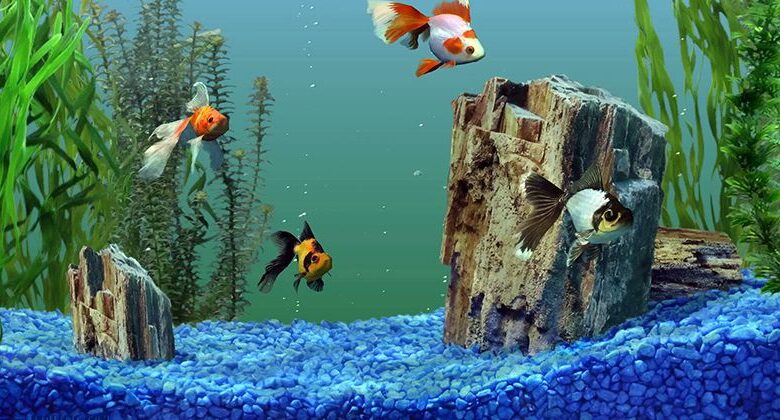
There is a wide range of aquarium substrates available in specialized stores. Substrate is a key component of the aquarium landscape. It can beautifully decorate the aquarium and also create optimal conditions for fish and other aquatic inhabitants. Achieving this, however, requires selecting the right type. Therefore, there are specific selection criteria.
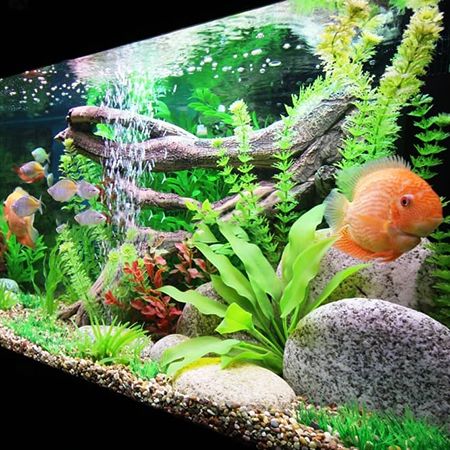 Functions of Substrate in an Aquarium
The substrate plays a major and important role in an aquarium, with several main functions:
- For plants and algae, it serves as a source of nutrients, helping them grow lush and healthy thanks to the minerals essential for their nourishment.
- Decorative enhancement: Different types of substrate can be used to make the aquarium unique and visually diverse, creating a natural environment for the fish.
- It contains beneficial bacteria that help naturally purify the aquarium by eliminating harmful microorganisms.
The quality of the substrate affects the life of the aquarium fish. For small fish and plants with weak roots, a fine substrate is ideal, allowing them to dig, hide, and forage easily. Larger substrates are suitable for big aquariums and should have smooth edges to prevent scratches and injuries.
Which Substrate to Choose for an Aquarium?
To properly maintain an aquarium, it’s essential to understand the differences between various types of substrates and select accordingly. Natural substrates (like sand, gravel, stones, and pebbles) are the most popular and widely available. They have the following characteristics:
- No chemical additives
- Suitable for many fish species
- Allows for water circulation
- Does not alter water softness
- Easily used for creating decorative designs
A drawback is that natural substrates typically have larger granules, which are less ideal for small algae. Large stones laid in a single layer on the bottom can create small gaps that allow food residues to avoid settling due to ventilation. However, sand may become anaerobic, so it is more suitable for decorative purposes only.
Additionally, a treated natural substrate, like expanded clay, can be purchased in specialized stores at an affordable price and used as algae fertilizer. Dolomite, glass, or coral serve primarily decorative functions only.
Artificial substrates are aesthetically appealing but made of ground glass or plastic, meaning they provide no biological benefit to the water or plants. Algae won’t grow in it, and it does not offer hiding spots for fish.
Substrates to Avoid
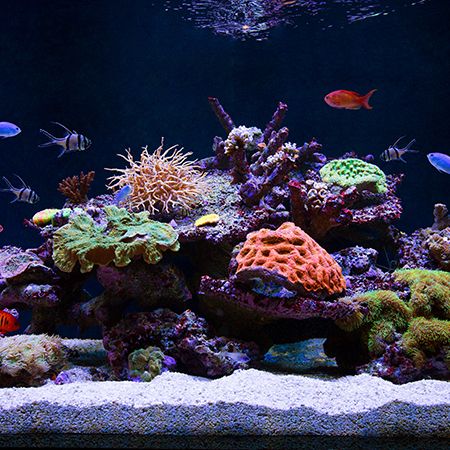 Some may consider using cat litter as a substitute for artificial substrates, but this is strictly prohibited. It can spoil the water, clog the filter, and negatively impact fish health. Overusing marble granules or shells is also not advisable, as their high calcium content can dramatically alter water pH and hardness, unsuitable for many aquatic species.
Likewise, avoid excessive amounts of glass substrate, which lacks a rough surface for beneficial microorganisms and nutrients for plants, even if combined with some natural filler.
A crucial selection criterion is breathability; the substrate should be porous. Dense layers can cause algae to rot, cloud the water, and harm fish, potentially leading to their death.
In conclusion, choosing the right substrate is important. Its quality and composition directly affect the well-being of aquatic inhabitants, plant growth, and the overall aesthetic of the aquarium.