Guppy Fish: Care Guidelines
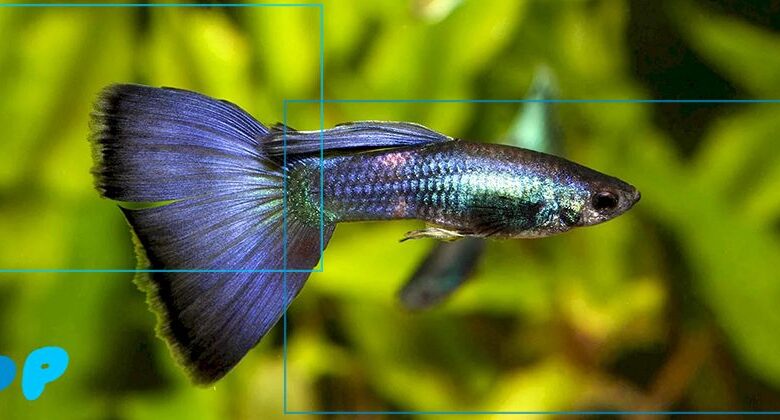
Guppies are among the most popular aquarium fish in the world due to their bright colors and ease of care. These small livebearers are hardy and easily adaptable, making them an excellent choice for beginner aquarists. If you are interested in setting up a guppy aquarium, here is what you need to know about their care and maintenance.
 Guppy Care Guidelines
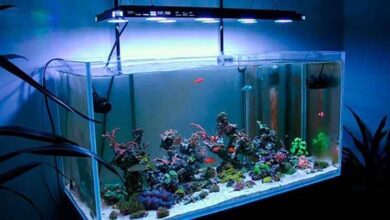
Housing: Guppies are relatively small fish, with a maximum length of about 2.5 inches, so they don’t require a large tank. A 20-gallon aquarium is suitable for a small group of guppies, but you should aim for a minimum of 10 gallons per fish to provide enough swimming space. A well-planted tank with plenty of hiding spots will provide a suitable environment for guppies.
Water Parameters: Guppies are tropical fish and require a stable temperature of 24–26°C (75–79°F). This can be achieved by using a reliable aquarium heater and regularly monitoring the temperature with a thermometer. Guppies also prefer a neutral pH of 7.0 and moderate water hardness of 7-10 dKH. To maintain these conditions, it’s important to perform regular water changes, using a high-quality water conditioner to neutralize chlorine and other harmful substances.
Filtration: A reliable aquarium filter is essential to maintaining a healthy environment for guppies. The filter should be able to handle the overall water volume in your tank and be suitable for the type of fish you keep. For a guppy aquarium, a hang-on-back (HOB) or internal (submersible) filter is recommended.
Feeding: Guppies are omnivores and eat a variety of foods, including flakes, frozen, and live foods. High-quality flake food is a good staple, but you should also occasionally supplement their diet with live or frozen foods like brine shrimp, bloodworms, and daphnia. It’s important not to overfeed guppies, as uneaten food can decompose and pollute the water. Feed your fish only what they can eat within a few minutes, once or twice a day.
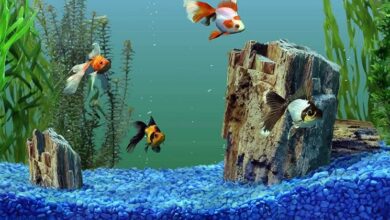
Plants and Decorations: Guppies are active swimmers and enjoy a well-planted aquarium with plenty of hiding spots. Live plants can provide shelter and serve as a food source for the fish. Artificial plants can also be used, but make sure they are made of materials that won’t release harmful chemicals into the water. You can also add decorations such as caves and rocks to provide hiding spots and create a more natural environment for the fish.
Breeding: Guppies are livebearers, meaning they give birth to live young, and they breed easily in an aquarium. Female guppies can have multiple broods of fry each year, so it’s important to have a breeding plan to manage the population. You can either move the fry to a separate tank or provide plenty of hiding spots in the main aquarium to give them a chance to survive.
 Health: Guppies are generally hardy fish, but like all aquarium fish, they are prone to diseases. To prevent illness, it’s important to maintain good water quality and keep the tank clean. If you notice any signs of disease, such as loss of appetite or abnormal swimming behavior, isolate the affected fish and seek advice from a vet or experienced aquarist.
In conclusion, guppies are an ideal choice for both beginner and experienced aquarists. With proper care, a guppy aquarium can provide a colorful and lively environment for these charming fish. By maintaining consistent water temperature, pH, and hardness, providing a suitable diet, and keeping the aquarium clean, you can enjoy your guppies for a long time.