Hair Loss in Cats: Causes and Treatment

Cat Fur: Not just a beautiful and soft coat, but an important indicator of health. If you notice your cat’s fur becoming dull, brittle, or falling out in clumps, it could signal underlying issues. This article explores common causes of hair loss in cats and how to address them.
 Shedding in Cats
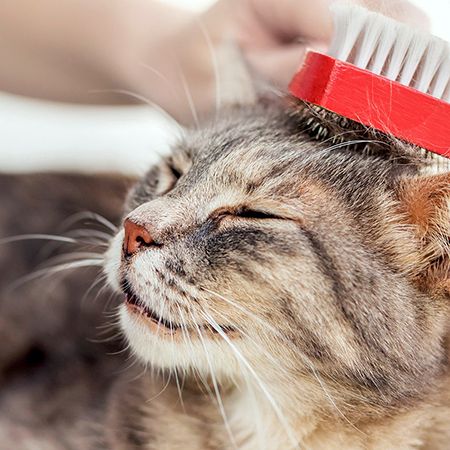
Seasonal shedding is a natural process that helps cats adapt to changes in temperature and lighting. During spring and autumn, cats shed old fur and grow a new coat. It’s normal for your cat to lose more fur during this time, as long as there are no bald spots, skin problems, or behavioral changes. To assist your cat during shedding, brush them regularly with a grooming tool to remove loose hairs and prevent hairballs. Also, provide a balanced diet rich in proteins, fats, and vitamins for healthy fur.
Poor Nutrition
A lack of essential nutrients in your cat’s diet can negatively impact its coat. Insufficient vitamins and minerals may lead to hair loss, dry skin, and brittle fur. To avoid such issues, choose high-quality cat food suited to your cat’s age, breed, and needs. Additionally, consider supplements designed to improve coat health, but only with veterinary guidance.
Allergies in Cats
Allergies are a frequent cause of excessive hair loss in cats. They may be triggered by food, chemicals, pollen, parasites, and more. Allergies often manifest as itching, skin irritation, and inflammation, causing cats to scratch and groom excessively, leading to hair loss. If you suspect allergies, consult a veterinarian for diagnosis and treatment. Solutions may include diet changes, allergen avoidance, or medication such as antihistamines or steroids.
External Parasites
Parasites like fleas, ticks, lice, or mites can cause severe itching and skin irritation in cats, prompting scratching and grooming that results in hair loss. Regular preventive treatments, such as topical solutions, collars, or oral medications, are essential. Additionally, maintain a clean living environment for your cat and minimize contact with stray animals.
Ringworm
Ringworm is a fungal or bacterial skin infection that presents as round or oval bald patches with scaly skin. It can be contagious to other pets and humans. Causes include weakened immunity, stress, poor living conditions, or contact with infected animals. Treatment involves antifungal or antibacterial medications prescribed by a vet and thorough cleaning of the environment.
 Hormonal Imbalance
Hormonal disruptions in cats may result from age, gender, chronic illnesses (like diabetes or hypothyroidism), medications, or thyroid or adrenal gland issues. Symptoms include localized or widespread hair loss and changes in fur texture or color. A vet can diagnose hormonal imbalances through blood tests and recommend appropriate treatments, such as dietary adjustments, hormone therapy, or surgery.
Solar Dermatosis
Solar dermatosis occurs when a cat’s skin and fur are damaged by UV rays. Light-colored cats, especially on their ears, nose, and eyes, are most susceptible. Symptoms include hair loss, redness, peeling, and skin ulcers. Severe cases can lead to skin cancer. Prevent exposure during peak sunlight hours, use pet-safe sunscreen, or dress your cat in protective clothing. Seek veterinary care for treatment if needed.
Folliculitis
Folliculitis, or inflammation of hair follicles, may be caused by bacteria, fungi, or parasites. It appears as hair loss, pustules, crusts, or scars on the skin and can occur as a primary infection or secondary to other conditions like allergies or ringworm. Treatment depends on the underlying cause and may include antibiotics, antifungal medications, or antiparasitic agents.
 Stress
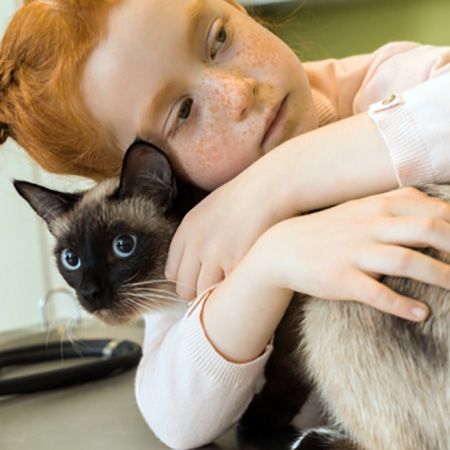
Stress is a common cause of hair loss in cats. Cats are sensitive to environmental changes, such as moving, new household members, loud noises, or loneliness. Stress raises cortisol levels, which can harm fur health. Over-grooming, a stress response, can also lead to hair loss. Create a safe, stimulating environment for your cat, give them attention, and use calming products like pheromone sprays or diffusers.
Hair loss in cats can result from various causes, ranging from minor lifestyle adjustments to medical interventions. If your cat experiences excessive shedding, bald spots, or other signs of poor skin or fur health, don’t delay a veterinary visit. Early diagnosis and treatment will help your cat recover quickly and maintain a beautiful, healthy coat.