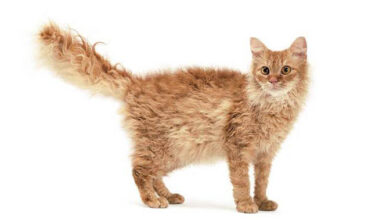
The Cat is in Heat: How to Help and Relieve Her Suffering?

The physiology of a cat is such that during the heat cycle, she experiences a desire to mate. People often say, “the cat is asking for a male.” This period is mentally challenging for the owners and physically demanding for the cat. Therefore, the owner needs to know how to behave and what methods can ease the pet’s life.
 How to understand that the cat is in heat?
The main symptoms of this condition include:
- Changes in behavior, becoming either more affectionate or aggressive;
- The animal often refuses food;
- Frequent urination, and long periods spent in the litter box;
- The cat often emits short meows, purrs, and responds to the owner’s voice.
This is often accompanied by tail lifting and twitching of the hindquarters. The duration of this state ranges from five days to two weeks, depending on individual traits. Some cats may experience this every month, while for others, it occurs once every three months. Owners should be prepared to change the litter box frequently and monitor the cat’s behavior since there are cases when the animal may urinate outside the litter box, sometimes on household items. Loud meowing often happens at night, while during the day, the cat may behave calmly. On average, a cat’s first heat occurs between 4 and 18 months of age, once they reach a weight of 2 to 5 kg.
How can the owner solve this problem?
There are several approaches, and each owner can decide what works best for them:
- Find a male for mating
This is the most natural method, but it’s not for everyone. Not every owner is willing to take care of kittens. Some believe that a cat should give birth once for health reasons, but giving birth and the postpartum period don’t necessarily improve health. Often, when the owner gets a litter from a pet cat, the kittens end up on the street, adding to the population of strays. This method is more suitable for professional breeders aiming to produce offspring for sale. - Use of medications
These can come in the form of drops or injections that block the need to mate. While effective, they carry side effects, such as disrupting the cat’s hormonal balance, which can later affect the reproductive system. Frequent use of these drugs can lead to the need for emergency surgery. The impact also depends on the pet’s individual immunity—some cats tolerate these medications for 10-15 years without issue, while others may experience complications after one use. - Mating simulation
This method involves manipulating the cat (holding, turning, pressing) to simulate mating. This can temporarily suppress the symptoms of heat. - Surgical intervention — spaying
This surgery is performed at a veterinary clinic and involves removing the cat’s ovaries and uterus. There are pros and cons to this method. The positives include being the most humane and effective way to solve the problem. However, after spaying, the cat may still exhibit heat symptoms, though less intensely. Additionally, there may be sudden weight gain after the procedure.
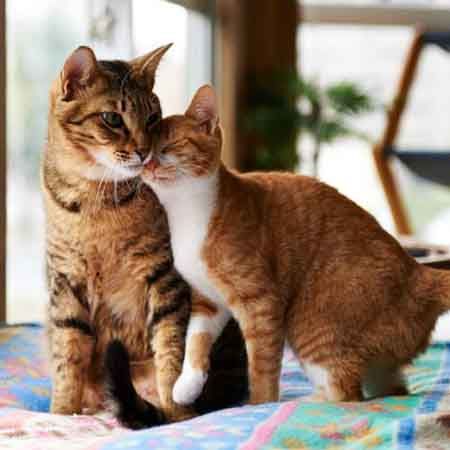 Folk remedies
If the owner is against surgery and hormonal medications, they can try natural remedies. Herbal infusions such as mint, chamomile, or motherwort can help calm the cat temporarily. Some owners give their cats valerian, often in teabag form for convenience. However, valerian tends to make cats more active and playful, rather than calming them, which can momentarily distract them from the desire to mate.
In conclusion, cat owners must responsibly address the issue of managing mating symptoms and choose a method that is safe for their pet’s health.