Cold in Dogs: Causes, Symptoms, and Care
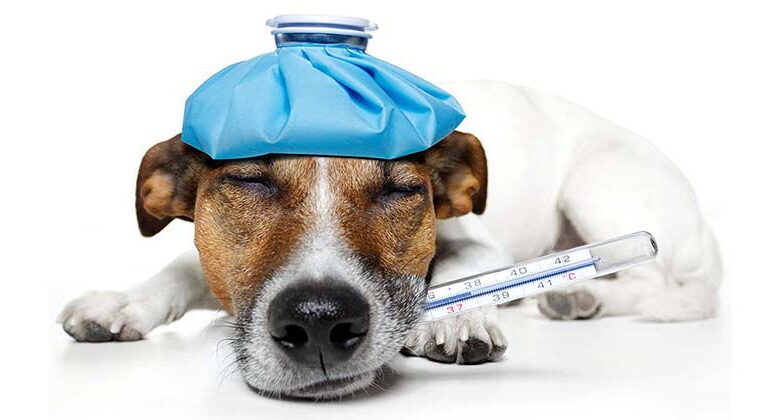
A cold in dogs is a common issue that can be caused by viruses, bacteria, or exposure to cold temperatures. Although colds usually resolve without complications within a few days, it’s important to monitor symptoms and take steps to help your dog recover faster.
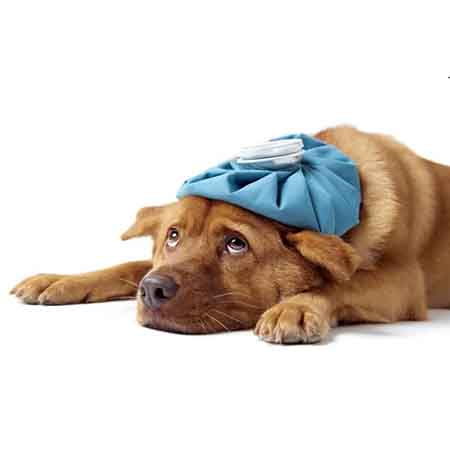 Here are some tips for preventing colds in dogs:
- Keep your dog warm. Especially during cold or wet weather, avoid leaving them outside for long periods.
- Make sure your dog doesn’t get cold after bathing or grooming. Dry their coat thoroughly with a blow dryer.
- Provide vitamins and natural immune boosters, especially in the fall and winter, to strengthen their immune system.
- Avoid gatherings of dogs during outbreaks. Colds can easily spread from sick dogs to healthy ones.
- Keep your dog’s vaccinations up to date based on your vet’s recommendations. This will help protect against many diseases.
- Maintain cleanliness and regularly clean your home. This will help prevent the spread of viruses and bacteria.
If, despite precautions, your dog does catch a cold, it’s important to recognize the symptoms and start treatment promptly.
Main Symptoms of a Cold in Dogs:
- Runny nose and sneezing
- Nasal and eye discharge
- Redness in the eyes or nose
- Coughing
- Elevated temperature
- Lethargy and loss of appetite
- Rapid breathing or shortness of breath
If you notice these symptoms, contact a veterinarian right away to get an accurate diagnosis and proper treatment.
Steps to help relieve your dog’s symptoms:
- Apply warm, moist compresses to the nose if it’s congested.
- Ensure your dog drinks more water to prevent dehydration.
- Offer soft, easily digestible food.
- Provide rest and warmth, and if possible, isolate your dog from other pets.
- Rinse your dog’s eyes and nose with saline if there’s discharge.
- Give vitamin C and immune-boosting supplements.
- Use expectorants only as prescribed by a vet.
Cold Treatment for Dogs:
- Antibiotics if a bacterial infection is the cause.
- Antiviral medications.
- Fever reducers if there’s a high temperature.
- Vitamin complexes and immune stimulants.
- Nasal and eye rinsing with antiseptic solutions.
- Inhalation therapy for severe congestion.
It’s crucial to complete the full course of treatment, even if your dog seems to be feeling better. This ensures that the infection is fully cleared. If your dog’s condition worsens or there’s no improvement within 2-3 days, consult the vet again. Timely treatment will help your dog recover quickly!
 Post-Recovery Care for Your Dog:
After recovering from a cold, your dog will need a period of recovery. To avoid complications or relapses, follow these recommendations:
- Avoid physical exertion for 1-2 weeks after recovery. Provide plenty of rest.
- Continue giving vitamins, immune boosters, and antioxidants to help rebuild strength and immunity.
- Offer light but nutritious food, such as lean meats, vegetables, and grains.
- Avoid drafts and walks in wet weather. Gradually return your dog to regular activities.
- Continue with probiotics and mild laxatives to help normalize digestive function.
- Follow the vet’s advice on vitamins and medications.
- Schedule a follow-up check-up and tests 2-3 weeks after recovery.
Timely treatment and proper care will help your dog regain strength after a cold. Don’t forget to strengthen their immune system and prevent cold exposure to keep your pet healthy and happy!