Constipation in Dogs: How to Recognize It and How to Manage It

Constipation in Dogs: How to Recognize It and How to Address It
Constipation is a common yet quite uncomfortable issue for dogs. Dogs experiencing constipation often lose interest in walks and physical activities. So, if you notice your pet has difficulty defecating, you should act immediately. Sometimes, even small adjustments to a dog’s routine can effectively resolve constipation.
 How to Recognize Constipation in Dogs
Normal bowel movement frequency can vary slightly depending on your pet’s age, diet, and activity level. However, if your dog defecates less than once every two days, this is cause for concern. Constipation also makes defecation much more challenging, with your dog often taking a distinctive posture and attempting to relieve itself without success. Constipated dogs may become restless, anxious, and lethargic. If constipation is accompanied by vomiting, consult a vet immediately as this could indicate a bowel obstruction. Chronic constipation may require treatment and changes in the dog’s diet.
Causes of Constipation in Dogs
To help your pet effectively, it’s essential to identify the cause. Constipation can stem from serious health issues or minor dietary imbalances.
First, evaluate the dog’s diet. Does the food contain enough fiber? Are you giving your dog too much indigestible, high-carb food? Does your dog consume bones too often? Sometimes constipation arises simply because the dog isn’t drinking enough water. Remember that some dogs may independently seek out snacks, so make sure your pet doesn’t have access to trash, plants, or gravel. Dogs that lose a lot of fur and lick themselves may ingest fur, which can also cause gastrointestinal issues. Dogs might also swallow pieces of toys, which can block their intestines.
A sedentary lifestyle is another contributing factor to constipation. Digestion often slows in pets that aren’t physically active. Constipation can be common in dogs that don’t get frequent walks or physical activity, especially in overweight or elderly dogs. Additionally, psychological factors may inhibit a dog’s bowel movements. In a new environment, a dog may feel anxious and avoid defecating.
If constipation persists or recurs and is accompanied by other concerning symptoms, diagnostic tests should be conducted. It’s important to rule out any intestinal growths, kidney or thyroid issues, as well as neurological or orthopedic conditions.
What to Do if Your Dog is Constipated
Constipation should never be ignored. Your dog may need your help, and if that isn’t enough, the assistance of a veterinarian. Here’s how to help your dog: ensure it has plenty of water. It may also be helpful to switch to wet food instead of dry kibble. Alternatively, try adding olive oil or milk to their food. You can also offer a natural, fiber-rich treat. To stimulate intestinal movement, take your dog on a long walk with some active exercises (like fetching). If there’s no improvement within 12 hours, visit a vet.
 Preventing Constipation in Your Dog
To keep your dog’s digestive system functioning well, follow a few essential guidelines. Most importantly, maintain a proper feeding schedule with easily digestible, fiber-rich foods. Digestive health can also be supported with certain herbs, vegetables, and fruits. Regularly giving your dog treats that benefit gut flora is also helpful. Ensure your pet doesn’t eat things it shouldn’t.
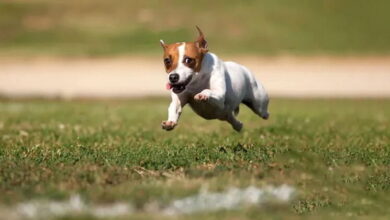
Next, make sure your dog gets enough exercise. Don’t limit outings to short walks; dogs need time to run and play. Allowing your pet to engage in sports like agility or dog frisbee can be beneficial. At home, you can involve them in food puzzles or interactive toys to keep them active. Finally, don’t forget regular check-ups to quickly detect any health concerns.