Lethargy in Dogs

Home, lazy weekends, and you are going about your business—cleaning, cooking lunch, and doing laundry. Meanwhile, notice that your dog looks downcast, sleeps more than usual, and isn’t acting as cheerful or playful as usual. If this is the case, it may be experiencing a bout of lethargy in dogs. As a pet lover, you know that most dogs love to eat and play with their toys, much like children, alternating with naps in sunbeams and enjoying life in general. A perfectly healthy dog can sleep up to 10 hours a day or more on average, so it’s not uncommon to see your dog sleep a lot. But as a devoted pet owner, you know your dog well and can sense when something is off. Your instincts will immediately alert you if the sleeping habits become excessive or if something else seems ‘off’ in their behavior. In fact, it doesn’t take much to make a dog happy, so when they experience noticeable changes in mood or behavior, these changes are often obvious.
 However, you must be careful not to mistake a lethargic dog for a relaxed one. A relaxed dog will still come when called, eat and drink normally, play with toys, and respond to commands. Sometimes, dogs may appear lethargic due to excessive physical activity the previous day, or perhaps due to a change in the weather. Have you ever felt drained and sluggish on a cloudy day? Dogs feel the same way. Like humans, they can get tired and need a day off to recover and rest a little. You should only start worrying if your dog doesn’t behave as you would describe as ‘normal behavior,’ or if the recovery period lasts longer than 24 hours.
Lethargy and weakness are common symptoms when a dog isn’t feeling well. However, try not to panic too much.
One downside to lethargy in dogs is that the causes can be somewhat vague. This means it’s important to closely observe your dog and note any other symptoms that may be present (if any), to determine whether a visit to the vet is warranted.
Signs of lethargy in dogs
Signs of lethargy include:
- Extended sleep, especially during times that are unusual for them;
- Poor response to external stimuli and things happening around them;
- No response when called by the owner;
- Noticeable lack of energy;
- Ignoring food and water in favor of sleep;
- Dazed or confused appearance.
For example, if a dog usually greets the owner enthusiastically when they return home but one day lies down and sleeps, showing no interest in their arrival, the owner can be sure something is wrong. If your dog acts lethargic after a long day of activity or a minor health disturbance that you’re already aware of, there is usually no reason to worry. This type of lethargy typically passes within a day or so.
Causes of lethargy in dogs
If a dog remains lethargic for more than a day or shows other symptoms, you may need to schedule a vet appointment. There are many health issues that can cause lethargy in dogs. Causes include:
- High fever;
- Dehydration;
- Difficulty breathing (such as in dogs with asthma);
- Diarrhea (especially acute or chronic diarrhea);
- Tremors;
- Narcotics or medications;
- Various infections;
- Inflammation;
- Heart disease;
- Respiratory diseases;
- Urinary tract infections;
- Anemia and other blood disorders;
- Snake bites;
- Exposure to poisons or toxins (environmental or food-related, such as onions, garlic, and leeks);
- Diet and nutritional deficiencies;
- Life-threatening diseases such as cancer (tumors);
- Physical trauma.
 As in humans, lethargy can also be a sign of poor mental health in dogs. If your dog is depressed, anxious, or unhappy for any reason, this may manifest as lethargic behavior. Sometimes, lethargic dogs may suffer from ‘exercise intolerance.’ While these two conditions may occasionally overlap and are related, most veterinarians still classify them as two very different conditions.
Distemper can cause additional symptoms alongside lethargy, such as fever, coughing, and nasal discharge. Distemper symptoms can vary greatly and may even cause neurological problems.
Parvo can cause abdominal pain, vomiting, and diarrhea, along with lethargy. It spreads through stool. Kennel cough is highly contagious and causes lethargy in dogs. They may experience a dry cough and fever. Heartworm disease is caused by heartworms. They usually develop in dogs from mosquito bites, especially if the dog is not on any preventative medication. Depression, fever, and weakness accompany a pet suffering from heartworm.
Apart from these health issues, several metabolic and organ diseases can also weaken and make a dog lethargic.
Hypoglycemia can weaken a dog and lead to seizures. Seizures can cause lethargy. Hypoglycemia occurs when the dog’s blood sugar is dangerously low, unlike diabetes, which is the opposite condition. Canine diabetes occurs when a dog has dangerously high blood sugar levels. They may also experience changes in appetite, weight loss, and excessive thirst. Liver disease causes lethargy and is accompanied by abdominal swelling, jaundice, loss of appetite, and signs of depression. Heart disease is a life-threatening condition, and lethargy, as well as exercise intolerance, can be warning signs of congestive heart failure. As the condition progresses, the dog may also develop a loss of appetite and rapid breathing. Medications can cause lethargy and a lack of interest in a dog’s usual daily activities. Be cautious when giving your pets medications. If they cause any adverse symptoms, report them to the vet. Flea and heartworm medications can sometimes cause lethargy. Be sure to keep medicines out of the dog’s reach. Over-the-counter drugs like ibuprofen are poisonous to animals. Lethargy in puppies and young dogs
Causes of lethargy in young dogs are often related to parasites. Hookworms, ticks, and fleas (especially if your pet is heavily infested), heartworms (especially in dogs not receiving preventive medication), and infectious diseases like parvovirus can cause lethargy. Additionally, young dogs may experience lethargy as a result of congenital heart defects, pneumonia, anemia, fever, and malnutrition.
Lethargy in older dogs
 If your dog is older, there are several factors to consider that could be causing its lethargy, including osteoarthritis, general pain, heart disease, diabetes, obesity, hypothyroidism (yes, dogs can have it too), and diseases caused by ticks. Serious infections, such as parvo, heartworm, distemper, kennel cough, and bacterial infections like leptospirosis, can be reasons for lethargy in older dogs. Keep in mind that as your pet ages, lethargy will become more common. Especially if the dog has osteoarthritis. Osteoarthritis makes activity painful, which means the dog will try not to move too much as the pain becomes more pronounced.
Other painful conditions that cause lethargy:
- Hip dysplasia;
- Cancer;
- Ear infections;
- Dental disease;
- Glaucoma and other eye conditions;
- Pancreatitis;
- Anal sac problems;
- Urinary tract infections.
If your dog experiences persistent vomiting or you notice blood in their stool along with lethargic behavior, you should immediately contact a veterinarian. Another thing to remember is that your dog’s environment can be the cause of lethargy. When a dog is scared due to living in a new home or even when frightened by thunderstorms, fireworks, or gunfire, you may notice changes in their mood or behavior. Major changes in your home, such as the death of a loved one or even the death of another pet, can make your dog sad and depressed because they are sensing the same emotions from the humans around them.
Diagnosing and treating lethargy in dogs
Obviously, if you notice your pet behaving lethargically, it can be concerning. However, it’s also important to examine them for other symptoms and keep track of any additional behavioral deviations. You can record your observations and schedule a vet appointment if your dog doesn’t perk up after a day or so. If no other symptoms are present, the vet may recommend additional tests to rule out any underlying health conditions. Reference lab tests always help the vet identify issues that may require further investigation. They may order blood tests with a full blood count, urinalysis, stool analysis, X-rays, and/or a biochemical profile. If the vet finds something or notices any abnormalities, they may recommend further tests, such as bacterial cultures, biopsies, MRI or CT scans, heart ultrasounds, behavioral evaluations, or even a full neurological examination. Lethargy in dogs isn’t something a vet will treat directly, but they will look for the causes underlying the lethargy and try to treat those conditions. Since lethargy can be linked to a number of health issues, it should never be ignored.
Food, nutrition, and activity
It’s important to rule out any health issues that may prevent a dog from absorbing nutrients from food, such as a worm infestation or inflammatory bowel disease. It’s also important to ensure you are feeding your dog a healthy and balanced diet. You might consider rotating foods to ensure they receive all the necessary vitamins and minerals. Finally, remember that dogs, like humans, can get bored. Take a look at your lifestyle and think about what you can improve to ensure your pet gets adequate stimulation and enough exercise. If you have a large dog but live in a small apartment, it’s essential to take the dog outside for regular play and exercise.
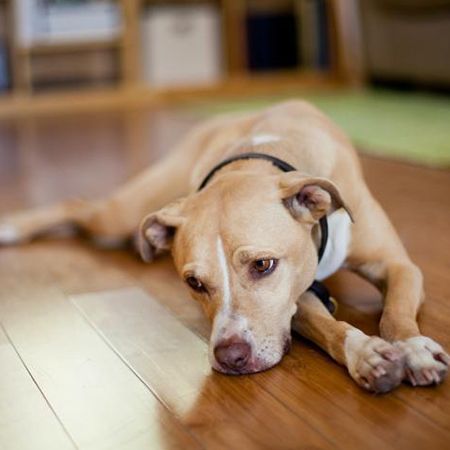 Additionally, regardless of the pet’s size, if it spends the entire day confined to a crate, the owner shouldn’t be too surprised when the dog becomes bored and depressed. Think about how you would feel being stuck indoors day after day with nothing to occupy your time.
If you think your dog is bored or on the verge of depression, try giving your pet the freedom to roam around the house with plenty of toys to keep it engaged.
You might also consider getting a second pet, if you don’t already have one, so the animals can keep each other company. This is especially helpful if you’re away from home frequently or for extended periods of time.
If getting another pet isn’t an option, consider alternatives like regular visits to the dog park or playdates with friends who have dogs.
Create opportunities for your pet to socialize with other dogs, as they, like people, find happiness in social interaction.
In the end, you know your dog best — whether it’s acting lethargic or just tired after a busy day. Trust your instincts, and if you feel there’s an underlying cause for your dog’s lethargy, consult a veterinarian right away.