Obesity in Dogs: How to Identify It?
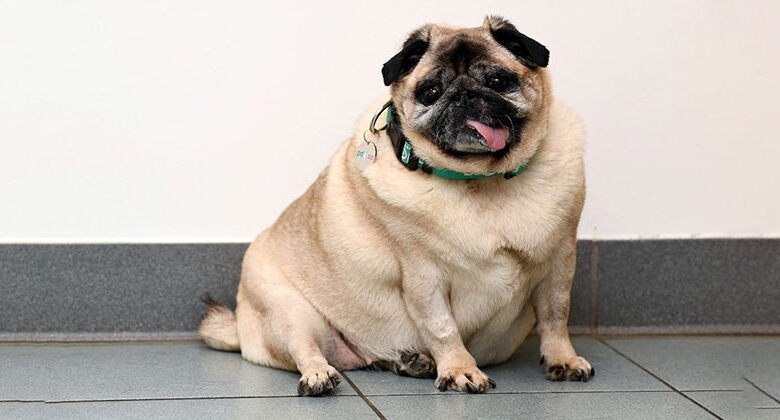
 Getting a Pet: A Big Responsibility
Bringing a pet into your life is a significant responsibility. Dogs are wonderful companions, often affectionate and eager to spend quality time with you. However, from the very first days with your new pet, it’s essential to teach them proper behavior and obedience, both at home and outside. This training will help your dog respect all family members, interact politely with others, and understand what is allowed and what isn’t.
Food is a critical component of your dog’s well-being. Alongside training, ensuring your dog stays healthy and happy is equally important. This means taking them to the vet for regular check-ups, even if they show no signs of illness, and visiting the vet as often as needed, especially during the first three to six months of life. During this period, your dog will need essential vaccinations before going outside or interacting with other dogs.
Spending time with your dog makes them incredibly happy, as you are their most important person. Don’t hesitate to take them for walks at least three times a day and spend some time playing with them. Even relaxing together while watching TV can bring immense joy to your furry companion. Dogs are social animals and thrive on being close to their owners, even during moments of rest.
Preventing Obesity in Dogs through Quality Time
Spending time with your dog not only makes them happy but can also prevent them from gaining excessive weight. A healthy and happy dog will likely enjoy being around you, but showing affection through food can sometimes backfire. Overfeeding or giving unhealthy treats can lead to an unbalanced diet.
Dogs may also develop habits like eating whatever they find on the ground, which can be dangerous and harmful to their health. They might ingest something toxic or damaging to their stomachs. Some dogs seem perpetually hungry, making it hard to determine the right portion size for their meals.
These factors can lead to overeating, causing your dog to gain weight and exceed their ideal weight. If your dog becomes overweight, they may develop obesity, which is a serious health concern. Identifying the problem isn’t always straightforward, so consulting a veterinarian is the best way to determine if your dog is overweight and to find a solution for their well-being.
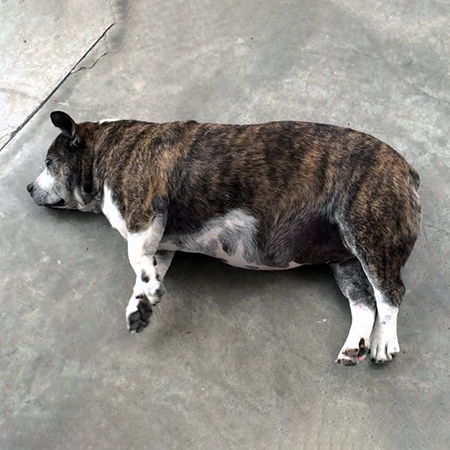 How to Identify Obesity in Dogs
While it might seem obvious at first glance, determining if your dog is obese should ideally be confirmed by a veterinarian. At home, you might suspect obesity if your dog’s belly looks swollen or sags more than usual, if you can’t feel their ribs or spine when petting them, or if they move less easily. If you notice these signs, it’s time to consult a veterinarian to confirm the issue and develop a plan to address it.
Veterinarians can determine your dog’s ideal weight based on their breed and size, similar to how humans calculate optimal weight ranges. If your dog weighs at least 10–15% more than their ideal weight, it’s time to address the problem to improve their health and mobility.
Solutions for Obesity in Dogs
Weight loss isn’t always easy, so avoid putting your dog on a diet without consulting a veterinarian. A vet will provide guidance on how to adjust your dog’s diet to ensure they lose weight healthily.
Typically, a vet may recommend special diet-friendly dog food and suggest feeding smaller portions more frequently. This approach keeps your dog feeling full longer while avoiding the overeating habits that contributed to their weight gain.
It’s also crucial to avoid feeding your dog any food beyond their prescribed diet. Sharing leftovers or human food can contribute significantly to weight gain and should be avoided to prevent further health issues.
Finally, increase your dog’s physical activity by taking them on runs or active walks. Exercising several times a week will help them lose weight, lead a less sedentary life, improve agility, burn off energy, and strengthen their bond with you. Addressing obesity early prevents future health complications and ensures your dog enjoys a happy and active life.