Pseudorabies in Dogs
Infection with the Pseudorabies Virus: A Disease with a Fatal Outcome for Dogs
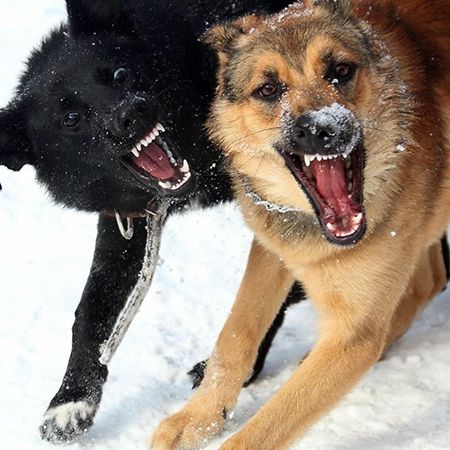 Infection with the pseudorabies virus often leads to a fatal outcome, especially when seen in dogs, particularly those that have come into contact with pigs. Unfortunately, most dogs infected with this virus die suddenly, frequently without characteristic signs, highlighting that pseudorabies in dogs is a silent disease that rarely leaves traces.
When symptoms do emerge, they include excessive drooling, intense itching, and neurological behavior changes. Due to the extreme itching, pseudorabies is sometimes referred to as “mad itch.” The virus affects both dogs and cats, primarily those that live on farms, along with other animals like pigs, cows, sheep, and goats. Otherwise, this viral infection has no predisposition to breed, gender, or age.
Understanding Pseudorabies
The pseudorabies virus is also known as Aujeszky’s disease. It is caused by an alpha herpesvirus that impacts organs and the central nervous system. Pigs are natural hosts, but dogs, cats, farm animals such as sheep, and wildlife like skunks can become infected.
Pigs are the only animals that can survive the infection, explaining their known status as hosts. However, young piglets under two weeks old face 100% mortality, and unfortunately, the fate for an infected dog is the same. Although industrial swine production in North America is largely free of pseudorabies, it is known to persist in wild populations.
Pseudorabies, also called “mad itch,” is a dangerous herpes virus transmitted through nasal-to-oral contact, often among pigs. While rare, it can affect dogs, most commonly those on farms or traveling in packs. In the U.S., pseudorabies has become a significant pathogen in dogs since the 1960s, likely due to increased pig populations in captivity or the emergence of more virulent strains.
Symptoms of Pseudorabies in Dogs
Dogs can be carriers of Aujeszky’s disease but typically survive no more than two to three days post-infection. Symptoms in infected dogs include:
- High fever
- Vomiting
- Excessive drooling
- Rapid and labored breathing
Neurological symptoms may also manifest, including:
- Depression
- Lethargy
- Ataxia
- Seizures
- Reluctance to move
- Frequent lying down
- Intense itching and self-mutilation from scratching
The virus replicates primarily in the tonsils, throat, and nasal tissues, spreading to lymph nodes, brain tissue, and the spleen. Once in the body, the virus continues to reproduce.
 Causes of Pseudorabies in Dogs
Transmission of the virus from pigs to dogs is rare in North America, thanks to strict eradication efforts. The primary transmission occurs through nose-to-nose contact among pigs due to the virus’s presence in nasal secretions.
Contaminated water and feeding troughs can further the spread, with infected pigs showing signs two to five days post-exposure. The virus can also be present in the milk, urine, nasal secretions, and tonsil tissue of infected pigs.
People may carry the virus on footwear, skin, or clothing after handling infected pigs. Under the right conditions, the virus can survive for several days in grass, soil, dried corn, and feces. This airborne virus can persist for up to seven hours.
Diagnosis
Diagnosis of pseudorabies in dogs begins with a physical examination. The veterinarian will likely check vital signs and record symptoms if possible. If the dog exhibits manic behavior, the vet may suspect true rabies and suggest sedation for safety.
If manageable, a skin scrape may be taken to rule out external parasites like ticks. Blood tests can help detect infection, anemia, and general organ function. If feasible, cerebrospinal fluid (CSF) can be collected to assess abnormalities.
Due to the rapid spread of the infection, the body often lacks time to produce antibodies, making pre-mortem diagnosis through antibody testing nearly impossible. Postmortem tests are recommended to confirm the diagnosis and rule out rabies. Tissue samples will be analyzed, virus isolation and antibody evaluations conducted, among other tests, to ensure accurate diagnosis.
Treatment of Pseudorabies in Dogs
There is no known cure for this disease. A veterinarian may suggest supportive therapy, but unfortunately, pseudorabies almost always progresses quickly and is fatal.
To prevent your dog from contracting the disease, take the following precautions:
- Avoid contact with infected pigs.
- Ensure that any pork products given to your dog are fully cooked.
- Keep your dog away from other animals like wild boars and unfamiliar dogs, especially if pseudorabies cases have been reported in your region.
Recovery and Prevention
Unfortunately, dogs have almost no chance of recovery from pseudorabies, a progressive disease that ends fatally. A veterinarian may offer supportive care to ease pain and suffering, but the disease is devastating for all involved.
The likelihood of human infection is minimal, but precautions should be taken when handling infected animals and their fluids. Direct dog-to-dog transmission is rare.
Ensuring safety means avoiding contact with infected pigs and adhering to strict hygiene practices to prevent exposure.